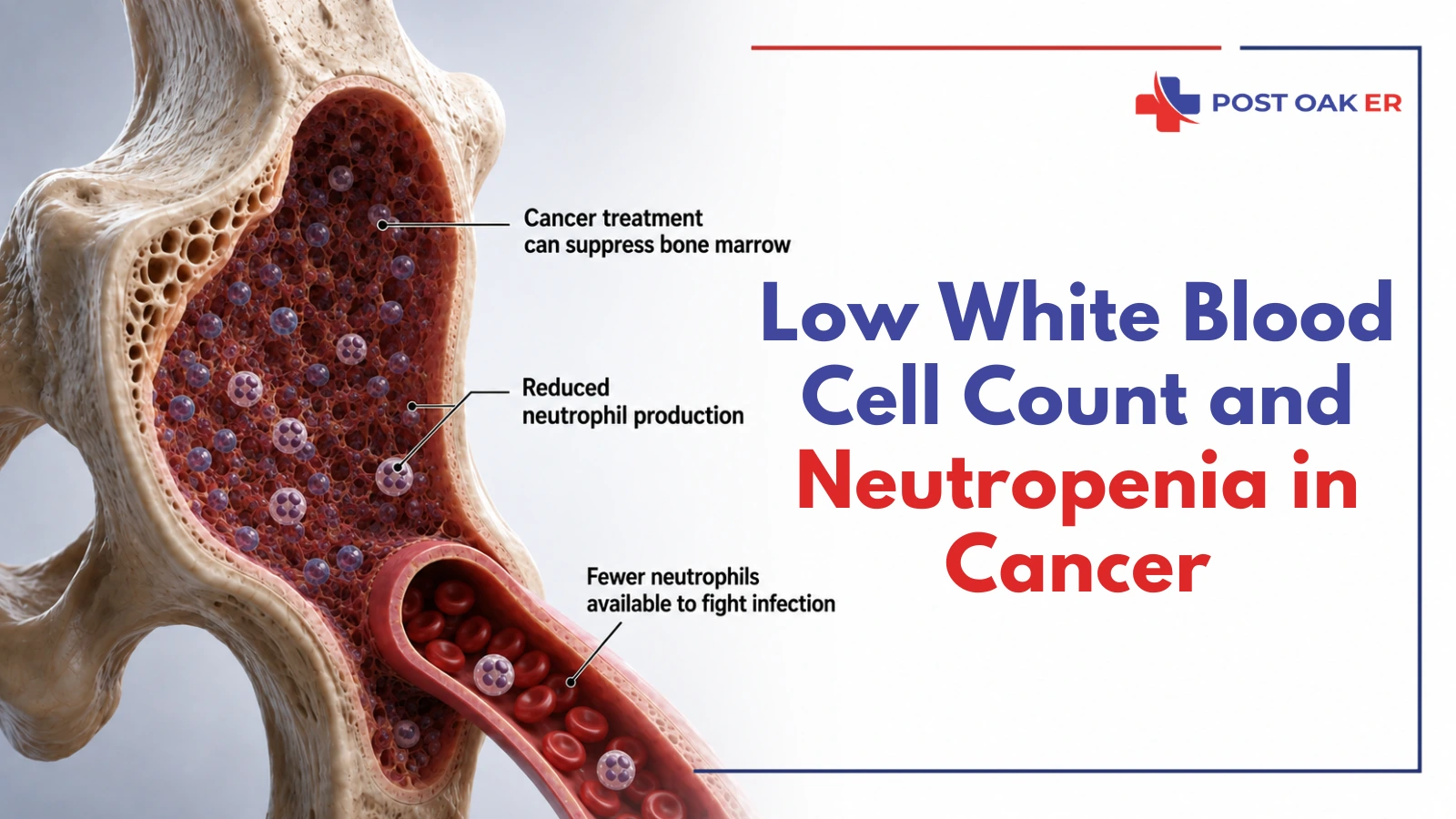
Low White Blood Cell Count and Neutropenia in Cancer: When It Becomes an Emergency
A low white blood cell count on a cancer lab report can be concerning, but the number alone does not show whether you are in

A low white blood cell count on a cancer lab report can be concerning, but the number alone does not show whether you are in
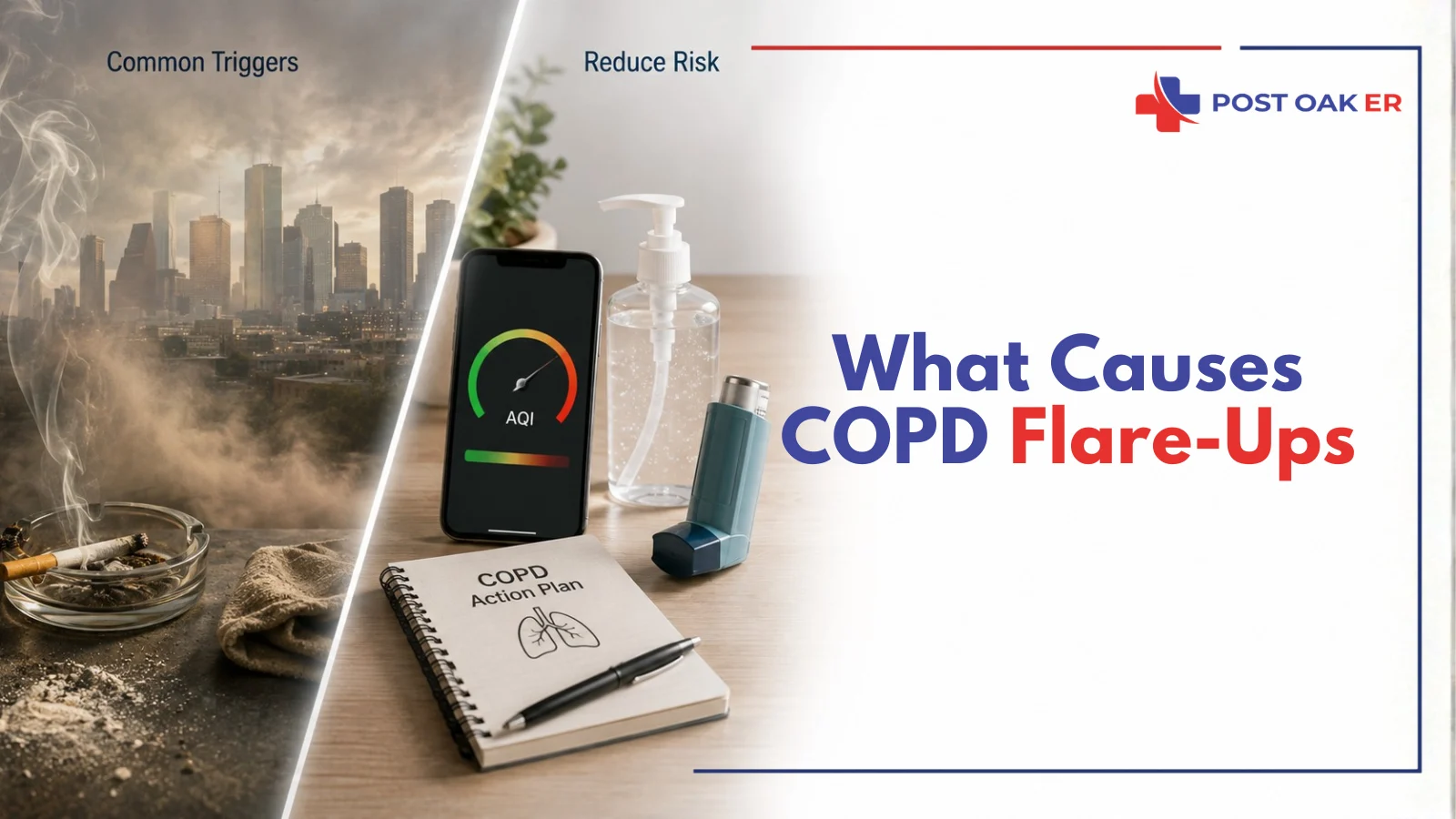
COPD flare-ups are not always predictable. One may follow a respiratory infection, smoke exposure, or a day with poor air quality; another may develop without
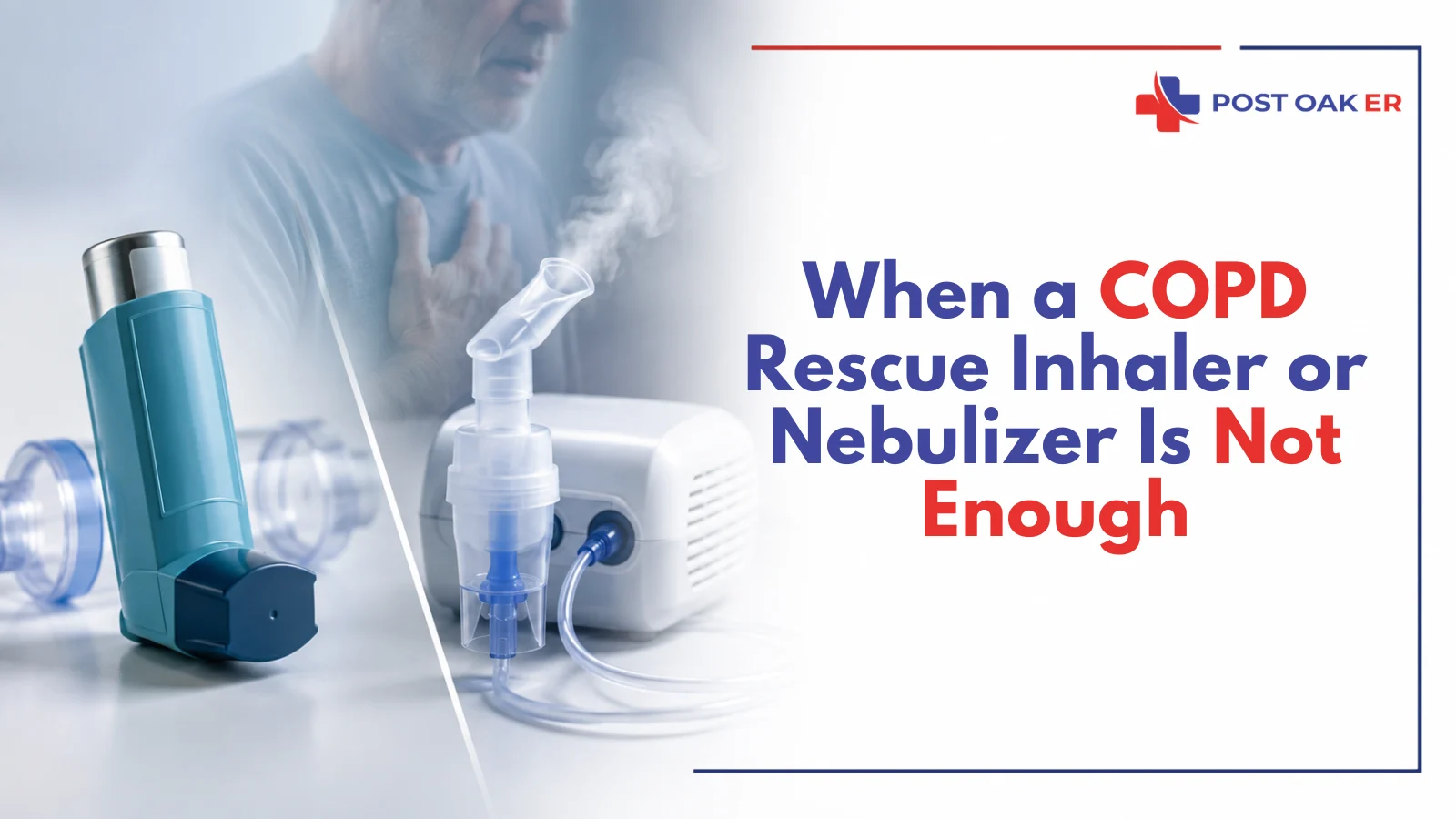
When breathing becomes harder, a person with COPD may reach for the rescue inhaler or nebulizer prescribed for sudden symptoms. The key safety question is
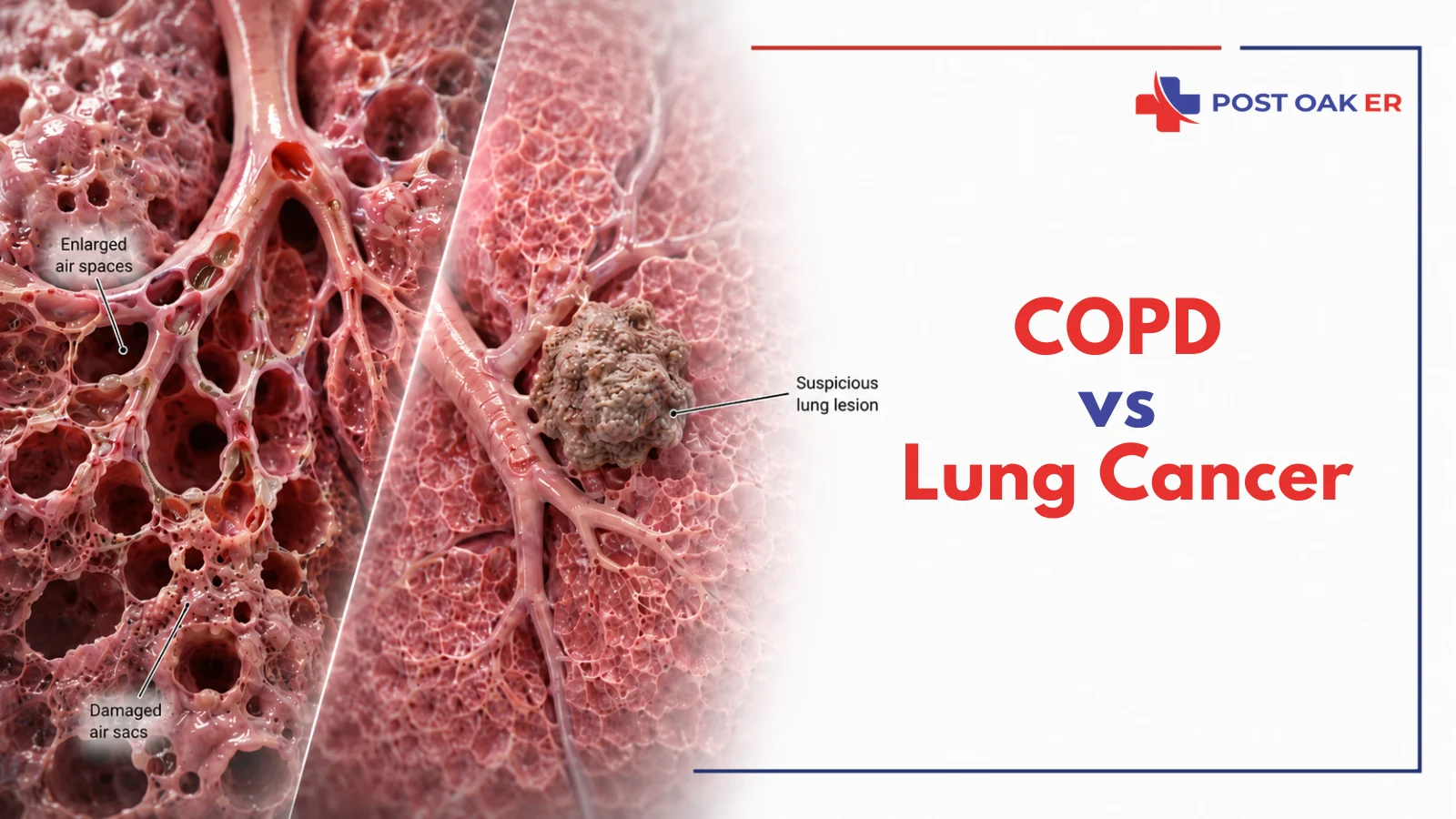
When you live with COPD, coughing and breathlessness may already be part of daily life. The concern often begins when a familiar symptom changes: the
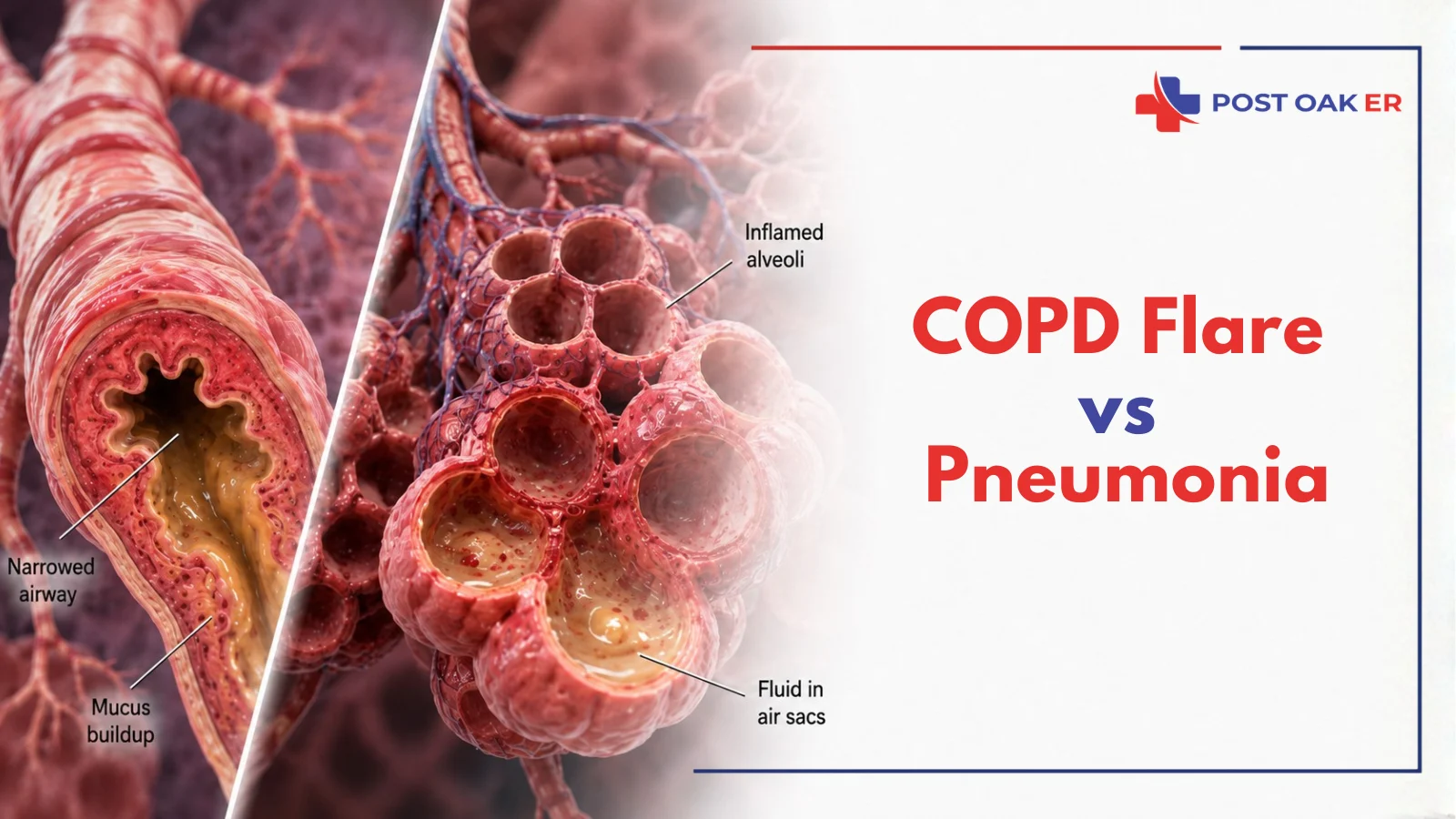
Living with COPD means learning your usual breathing, cough, energy, and mucus pattern. When those symptoms change, it may be hard to tell whether you

A forceful coughing spell can leave you lightheaded, unsteady, or suddenly on the floor. The experience is frightening, and the fall itself can cause harm.
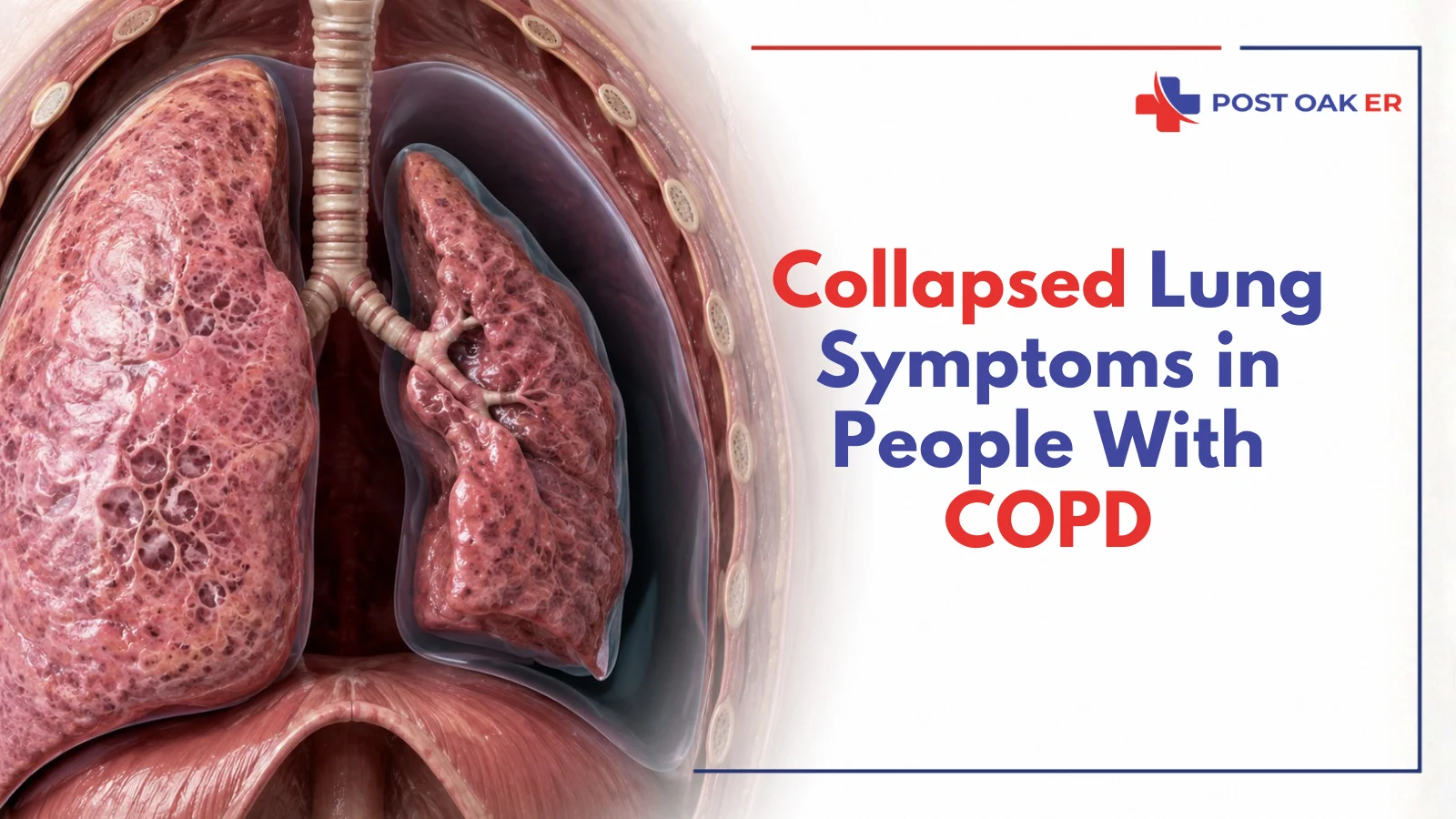
For someone living with COPD, shortness of breath may be familiar. A sudden change is different. New chest pain, especially when it begins abruptly with
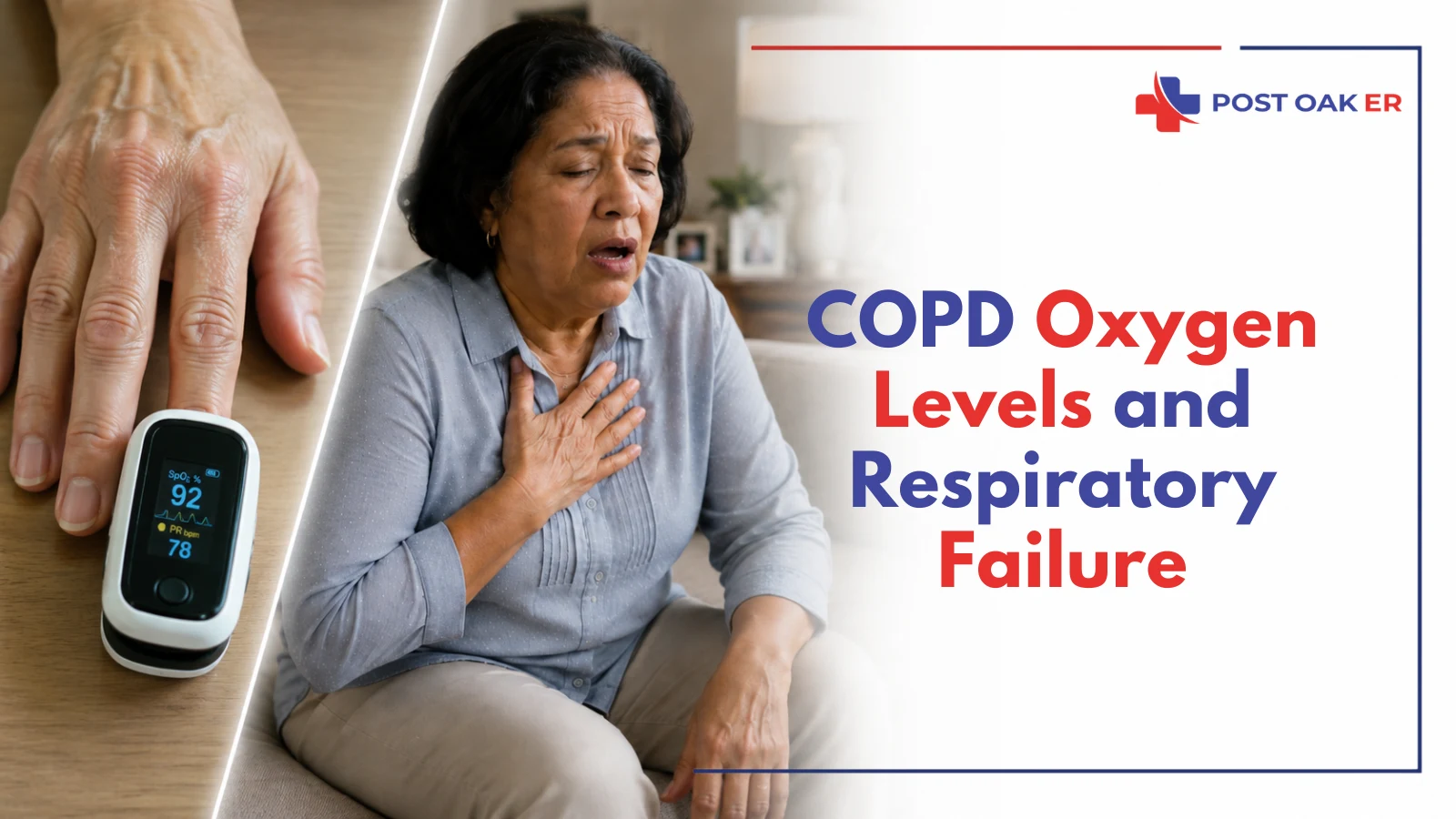
A pulse oximeter can be helpful when someone has chronic obstructive pulmonary disease (COPD), but it cannot independently show whether that person is safe. The
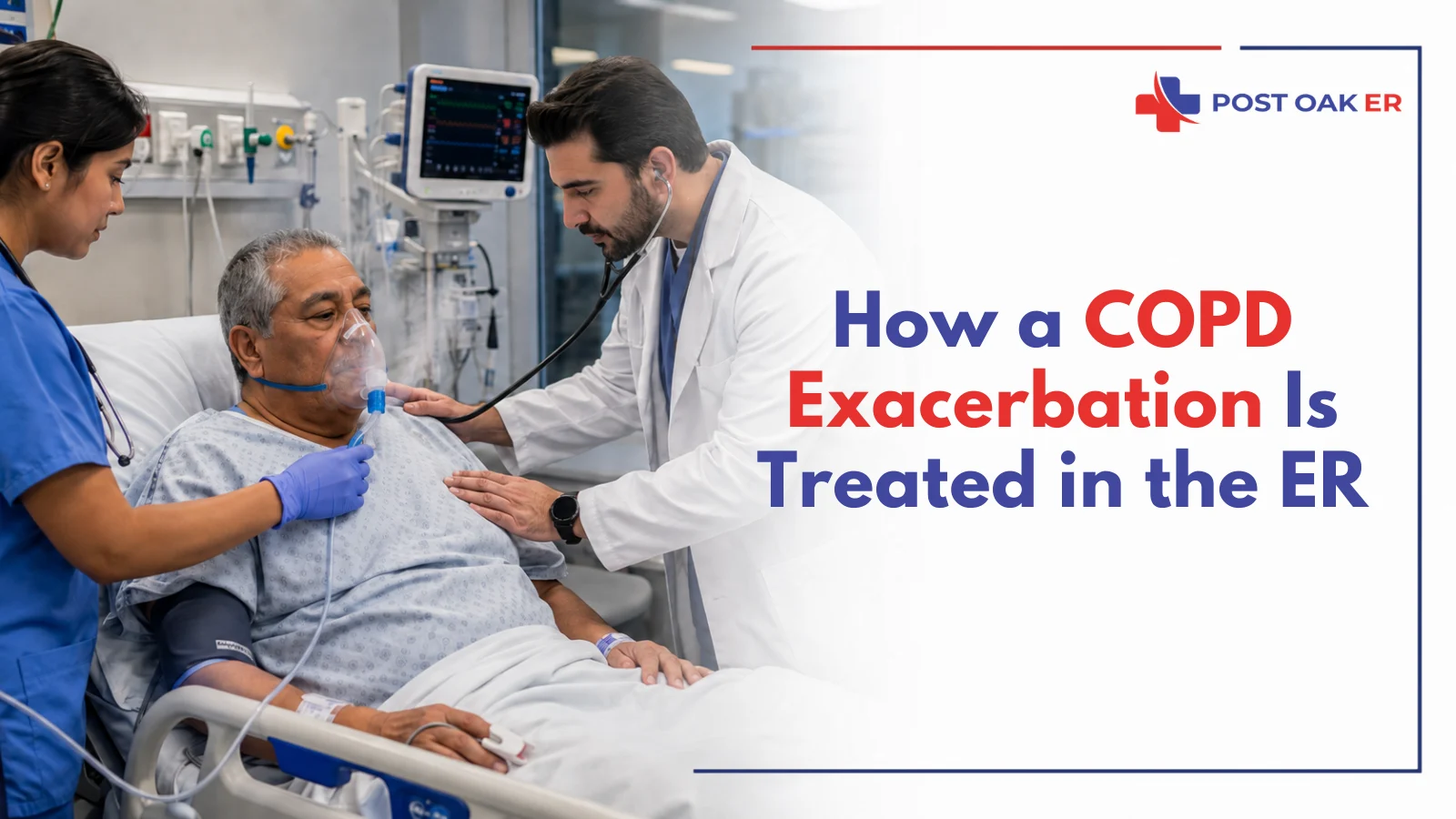
When a COPD flare can no longer be managed safely at home, an ER visit can feel uncertain. Emergency care has two connected goals: support
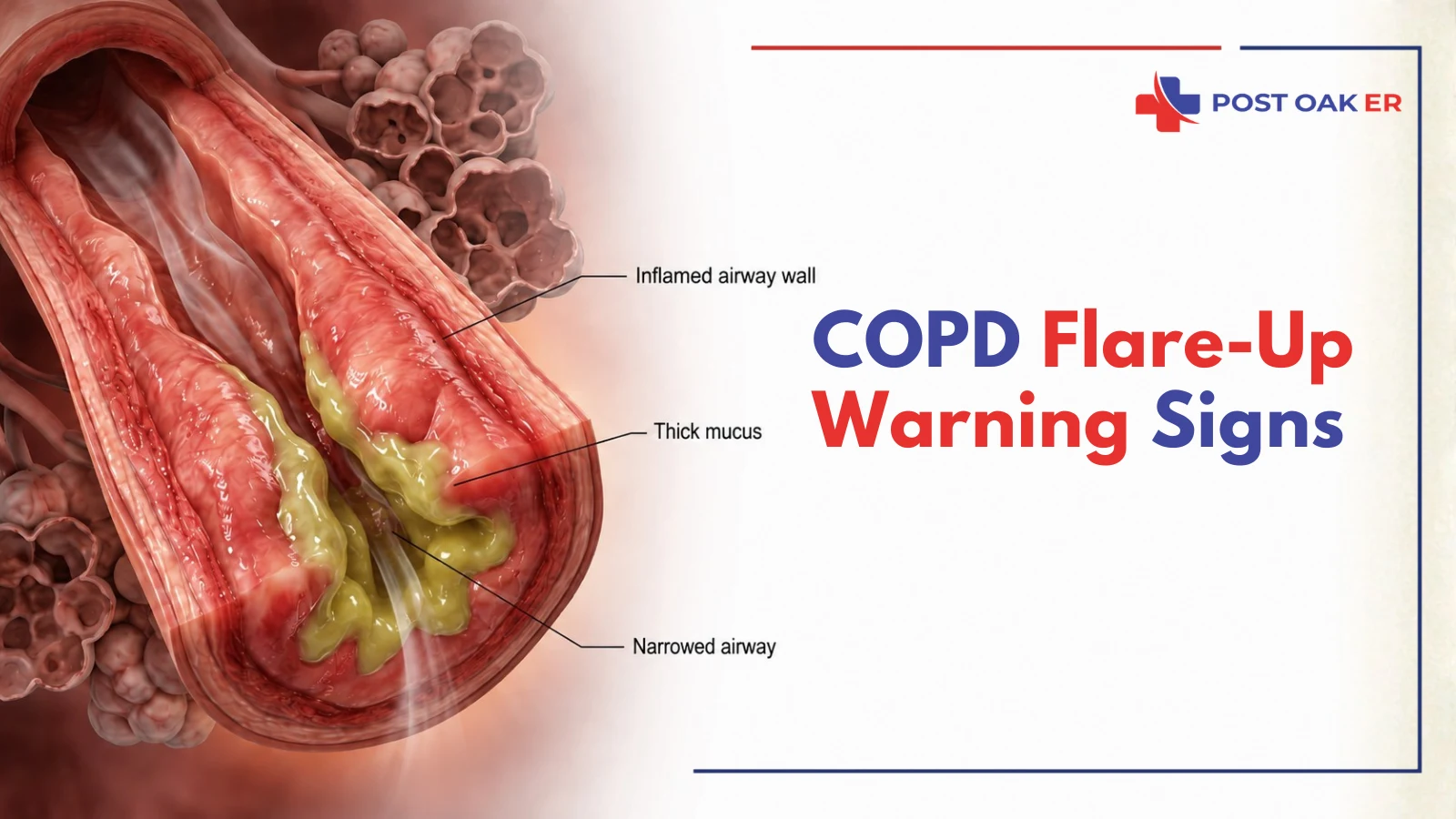
Most people living with chronic obstructive pulmonary disease (COPD) know their usual breathing pattern: what activities they can manage, how much they cough, and how