
Key Takeaways
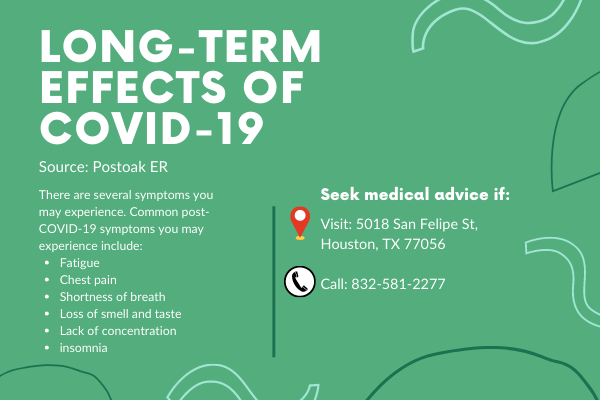
- Long COVID refers to ongoing or new health problems that occur after COVID-19 infection.
- Symptoms can last weeks, months, or longer and may affect multiple body systems.
- Anyone who has had COVID-19—including children and people with mild illness—can develop Long COVID.
- There is no single test or universal treatment; care focuses on symptom management.
- Preventing COVID-19 infection and severe illness helps reduce the risk of Long COVID.
- Medical evaluation is recommended for persistent or worsening symptoms.
Introduction
Long COVID—also known as Post-COVID Conditions or post-acute sequelae of SARS-CoV-2 infection (PASC)—describes a range of health problems that can occur after a person has had COVID-19. These problems may begin during the initial infection or appear weeks to months later. Symptoms can persist, fluctuate, improve, or worsen over time. Long COVID can affect people of any age, including children, and can occur even after a mild initial illness.
Medical understanding of Long COVID continues to evolve. This article presents only information supported by high-quality, authoritative sources.
What Is Long COVID?
Long COVID is a chronic condition that develops after infection with SARS-CoV-2, the virus that causes COVID-19. It includes a wide range of symptoms or conditions that last for weeks, months, or longer after the acute illness.
Some definitions require symptoms to be present for at least three months after infection, while others recognize symptoms that persist beyond four weeks.
Symptoms may:
- Begin during the initial illness and never fully resolve
- Disappear and later return
- Appear for the first time after apparent recovery
Is Long COVID Contagious?
No, Long COVID itself is not contagious. While the original COVID-19 infection can be spread from person to person, the ongoing symptoms and health issues associated with Long COVID cannot be passed to others. Long COVID is a result of your body’s response to the initial infection, rather than active viral spread.
How Long Do Long-Term Effects Last?
The duration of Long COVID varies widely:
- Some people recover within weeks or months.
- Others experience symptoms that last much longer or fluctuate over time.
There is no single recovery timeline that applies to everyone.
Common Symptoms
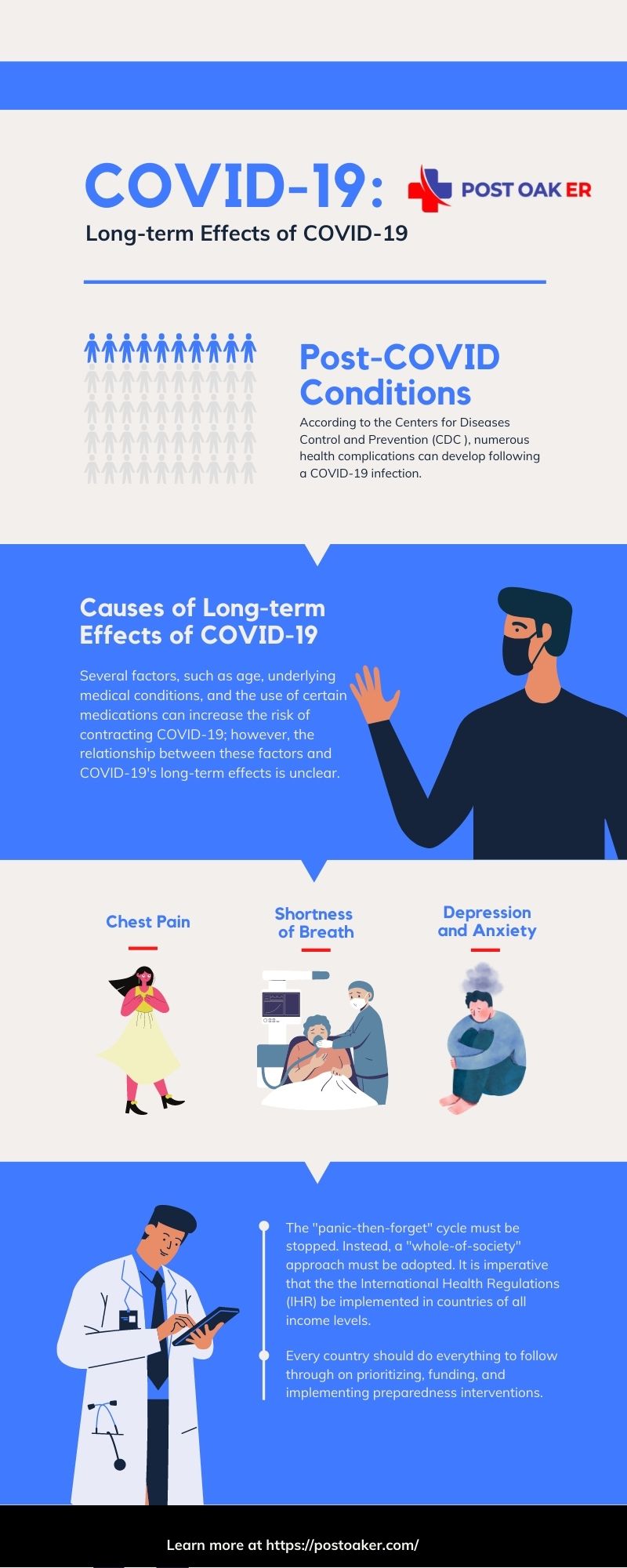
Long COVID can affect multiple body systems. Not all people experience the same symptoms, and severity can vary.
Fatigue and Activity Intolerance
- Persistent fatigue
- Symptoms that worsen after physical or mental activity (post-exertional malaise)
Breathing and Heart Symptoms
- Shortness of breath
- Persistent cough
- Chest pain or tightness
- Rapid or irregular heartbeat
Brain and Nervous System
- Difficulty concentrating or memory problems (“brain fog”)
- Headaches
- Dizziness
Sleep and Autonomic Symptoms
- Insomnia or poor sleep quality
- Lightheadedness or rapid heart rate when standing
Digestive Symptoms
- Digestion problems, such as loose stools, constipation, or bloating
Mental Health
- Anxiety
- Depression
Smell and Taste
- Loss or distortion of smell or taste
This is not a complete list. Symptoms can change over time and differ from person to person.
Less Common but Serious Complications
Some people develop more serious health problems after COVID-19 that require medical evaluation. These can include:
- Heart conditions, such as inflammation of the heart muscle
- Lung damage
- Neurologic complications
- Blood clotting problems
In addition to the complications listed above, long COVID has been linked to the development or worsening of other chronic diseases. Conditions that may arise or be exacerbated include:
- Heart disease
- Stroke or blood clots
- Chronic kidney disease
- Autoimmune disorders
- Diabetes
- Hyperlipidemia (high cholesterol)
- Migraine
- Myalgic encephalomyelitis/chronic fatigue syndrome (ME/CFS)
- Fibromyalgia
- Mast cell activation syndrome
- Postural orthostatic tachycardia syndrome (POTS)
- Mood disorders such as anxiety and depression
These conditions can significantly impact quality of life and may require ongoing medical care. Not everyone with long COVID will experience these complications, but it is important to monitor for new or worsening symptoms and seek medical attention when necessary.
Who Is at Higher Risk?
Anyone who has had COVID-19 can develop Long COVID. However, it occurs more often in:
- People who had severe COVID-19 illness, especially those hospitalized or treated in intensive care
- Older adults
- People with underlying medical conditions
- People who experience repeated SARS-CoV-2 infections
Children and adolescents can also develop Long COVID, although symptoms and severity may differ from adults. Social, economic, and healthcare access factors can influence outcomes.
Why Does Long COVID Happen?
The exact causes of Long COVID are not yet fully understood. Research is ongoing. Proposed mechanisms include:
- Ongoing inflammation
- Immune system changes
- Effects of COVID-19–related damage to organs or blood vessels
No single cause has been confirmed.
Ongoing Research on Long COVID
Researchers around the world are actively working to better understand and address Long COVID. These efforts include:
- Large-Scale Studies: National and international initiatives—such as the NIH’s RECOVER project in the United States and similar efforts in the United Kingdom and Europe—are tracking symptoms and outcomes among those affected to pinpoint risk factors, symptom patterns, and recovery trajectories.
- Understanding Causes: Scientists are investigating immune system changes, ongoing inflammation, viral persistence, and organ-specific effects to determine why Long COVID develops and how it persists.
- Treatment Trials: Clinical trials are underway to test medications, rehabilitation programs, and new approaches for symptom management. Some studies are assessing whether antiviral or immune-modulating drugs might improve long-term outcomes.
- Support Strategies: Research is also focused on effective ways to support people living with Long COVID in daily life, including return-to-work programs and rehabilitation services.
These ongoing studies should lead to better diagnostic tools, targeted treatments, and clearer guidance for both patients and healthcare providers. While many questions remain, the pace of research is accelerating, and new findings continue to shape care for those affected.
How Long COVID Is Diagnosed
There is no single test that can diagnose Long COVID. Diagnosis is typically based on:
- A review of symptoms and their timing
- Discussion of current or prior COVID-19 infection (a positive test is not always required)
- Physical examination and tests to rule out other conditions
In some cases, routine tests may appear normal even when symptoms are present.
Challenges in Diagnosis
Getting a diagnosis for Long COVID can be difficult. It may take time to work with healthcare professionals, and some people find their symptoms dismissed or misunderstood by others—including medical providers, family members, or employers. For those facing cultural or language barriers, or with fragmented medical histories, describing symptoms and tracking their progression can be especially challenging. This is further complicated for people experiencing memory problems or cognitive issues as part of their Long COVID symptoms.
Underdiagnosis may be more common among people with less access to healthcare or limited financial resources. Collecting detailed information about symptoms, even keeping a journal, can help support conversations with healthcare providers and improve the chances of getting an accurate diagnosis.
Preparing for a Medical Appointment About Long COVID
If you’re planning to discuss long COVID symptoms with your healthcare provider, a bit of preparation can ensure your appointment is as productive as possible.
Consider these steps before your visit:
- Track your symptoms: Take note of when your symptoms began, how they have changed over time, and whether they come and go. Jot down anything that seems to make them better or worse.
- Assess their impact: Reflect on how your symptoms interfere with daily life, such as work, school, or physical activity.
- Prepare your questions: Think about concerns or topics you want to discuss during the appointment. Having a list can help ensure all your questions are addressed.
- Gather your medications: Make a list of all medications, supplements, and over-the-counter remedies you use, including dosages.
- Bring support if needed: It can be helpful to have a family member or friend with you, especially to help remember information or take notes.
Keep your notes and any summaries from prior visits organized in one place. Staying organized can make it easier to track your symptoms, share information during appointments, and follow up on recommendations.
Treatment and Management
There is no one-size-fits-all treatment for Long COVID. Care focuses on managing symptoms and supporting recovery. Management may include:
- Symptom-directed medications
- Physical or respiratory therapy
- Careful pacing of activity to reduce symptom flare-ups
- Mental health support
Some people benefit from specialized post-COVID or rehabilitation clinics. Treatment plans are typically individualized.
Symptom-Specific Strategies
- Fatigue: Your healthcare professional may recommend being active only as long as your symptoms remain stable. If you notice worsening fatigue, it’s important to rest and avoid pushing through tiredness.
- Pain, Breathlessness, or Brain Fog: Work with your healthcare provider to develop a treatment plan that fits your needs. This may involve over-the-counter or prescription medications, supplements, or referrals to other specialists such as physical therapists or occupational therapists.
- Loss of Taste or Smell: For some people, a process called olfactory training—repeatedly practicing smelling certain scents—may help retrain the nerves involved.
As research continues, new treatments and management strategies are likely to emerge. Partnering with your healthcare team and adjusting your approach as needed can help improve quality of life and support recovery.
Finding Support and Connecting with Others
Peer support can be an important aspect of coping with Long COVID. Many people find it helpful to share their experiences, exchange practical tips, and navigate challenges together. Consider exploring:
- Local or online support groups dedicated to Long COVID
- Community organizations or patient advocacy groups
- Social media forums where individuals discuss living with post-COVID symptoms
Connecting with others who understand what you’re experiencing can provide emotional support, practical advice, and a sense of community.
Prevention and Risk Reduction
Preventing COVID-19 infection and severe illness helps reduce the risk of Long COVID. Staying up to date with COVID-19 vaccination is currently the best available tool to lower risk. Preventing reinfection and severe outcomes also reduces the likelihood of long-term complications.
When to See a Doctor
See a Doctor If You Experience:
- Symptoms that last weeks or months after COVID-19
- New or worsening symptoms
- Difficulty returning to work, school, or daily activities
Seek Emergency Care Immediately For:
- Chest pain
- Severe shortness of breath
- Sudden confusion
- Fainting
- Signs of stroke or heart attack
Frequently Asked Questions
What is Long COVID?
Long COVID refers to ongoing or new health problems that occur after a COVID-19 infection and persist for weeks, months, or longer.
What are common Long COVID symptoms?
Common symptoms include fatigue, shortness of breath, brain fog, sleep problems, and mood changes, though symptoms vary widely.
Can mild COVID lead to Long COVID?
Yes. Long COVID can occur even after mild or asymptomatic COVID-19 infection.
Can children get Long COVID?
Yes. Children and adolescents can develop Long COVID, though symptoms and severity may differ from adults.
How long does Long COVID last?
There is no single answer. Some people recover within months, while others have symptoms that last much longer.
Can COVID cause long-term or permanent damage?
Some people experience lasting complications after COVID-19. Outcomes vary, and ongoing medical follow-up can help evaluate and manage potential long-term effects.
How common is Long COVID?
There is no high-quality evidence supporting a single, definitive rate that applies to all populations.
APA References List
Centers for Disease Control and Prevention. (2025, July 24). Living with Long COVID. https://www.cdc.gov/long-covid/living-with/index.html
Centers for Disease Control and Prevention. (2025, July 24). Long COVID basics. https://www.cdc.gov/long-covid/about/index.html
Centers for Disease Control and Prevention. (2025, July 24). Long COVID signs and symptoms. https://www.cdc.gov/long-covid/signs-symptoms/index.html
Johns Hopkins Medicine. (2022, June 14). Long COVID: Long-term effects of COVID-19. https://www.hopkinsmedicine.org/health/conditions-and-diseases/coronavirus/covid-long-haulers-long-term-effects-of-covid19
National Academies of Sciences, Engineering, and Medicine. (2024). A long COVID definition: A chronic, systemic disease state with profound consequences. The National Academies Press. https://doi.org/10.17226/27768
World Health Organization. (2021, October 6). A clinical case definition of post COVID-19 condition by a Delphi consensus, 6 October 2021. https://www.who.int/publications/i/item/WHO-2019-nCoV-Post_COVID-19_condition-Clinical_case_definition-2021.1