
Key Takeaways
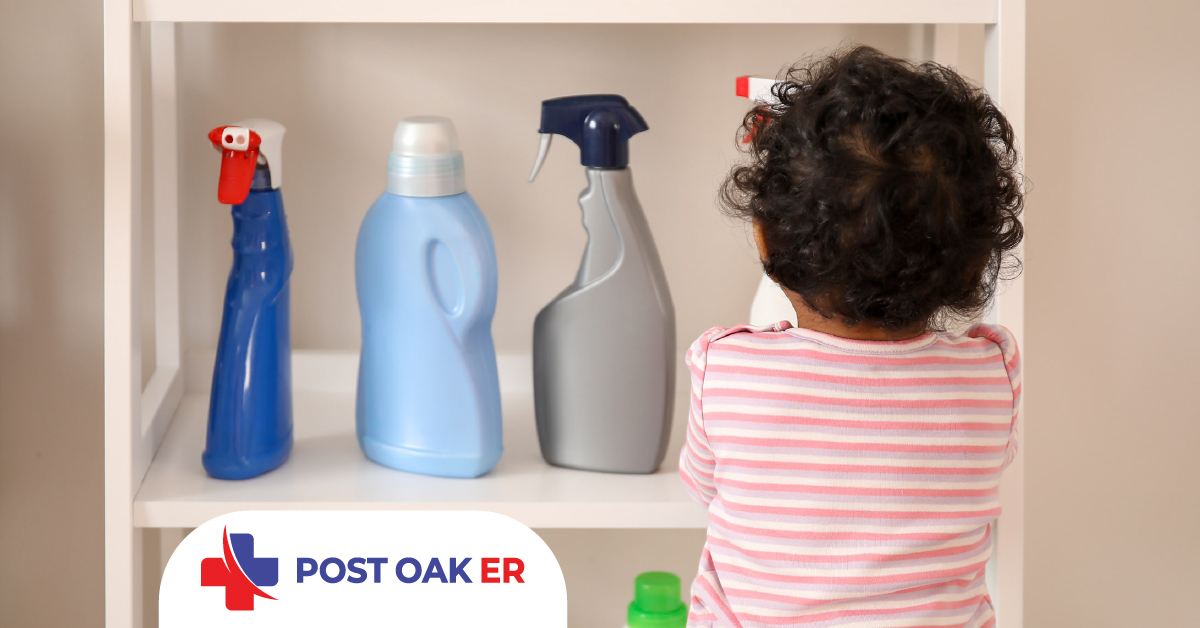
- Poisoning can occur from medicines, household products, fumes, plants, and small consumer items.
- Many exposures can be managed with guidance from Poison Control.
- Life-threatening symptoms require calling 911.
- Button battery or magnet exposures are always medical emergencies.
- Poison prevention focuses on safe storage, proper use, and supervision.
Introduction
Poisoning occurs when the body is harmed after exposure to a toxic substance. Exposure can happen by swallowing, inhaling, or having contact with a substance through the skin or eyes. Common sources include medications, household chemicals, fumes such as carbon monoxide, plants, pesticides, and certain consumer products. Some exposures can be safely managed with guidance from Poison Control, while others require urgent or emergency medical care.
What Counts as Poisoning
Poisoning includes harmful effects from:
- Medications (prescription and over-the-counter), especially when taken incorrectly
- Household products, such as cleaners and chemicals
- Gases and fumes, including carbon monoxide
- Plants, pesticides, and automotive products
- Small consumer items, such as button batteries and magnets
The effects of a poisoning vary depending on the substance involved and how exposure occurred. Some exposures cause mild symptoms, while others are life-threatening.
Common Poisons in and Around the Home
High-quality evidence consistently identifies the following as common household poisoning risks:
- Medicines and vitamins
- Household cleaners and chemicals
- Laundry detergent packets
- Automotive fluids (such as antifreeze)
- Carbon monoxide from fuel-burning appliances
- Button batteries and small magnets
- Pesticides and certain plants
Most poison exposures occur in the home, particularly among young children.
Poison Control vs. the ER vs. 911: How to Decide
Call Poison Control
Poison Control specialists can assess many suspected poison exposures and advise what to do next. They commonly help with medication errors, small ingestions, and exposures without severe symptoms. In the United States, Poison Control is available nationwide at 1-800-222-1222, 24 hours a day.
Go to the Emergency Room
Emergency department evaluation is recommended when:
- Poison Control advises immediate in-person medical care
- A button battery or magnet may have been swallowed or inserted into the nose or ear
- Symptoms are worsening or concerning
- The exposure involves a high-risk substance or a large amount
Call 911 Immediately
Call 911 for any life-threatening symptoms, including:
- Trouble breathing
- Seizures or convulsions
- Loss of consciousness or collapse
- Severe chest pain
These situations require immediate emergency response.
What to Do Right Away: First Aid by Exposure Type
Swallowed Poison
- Remove any remaining substance from the mouth
- Do not force vomiting
- Do not give food or drink unless instructed
- Contact Poison Control immediately
Swallowed Button Battery or Battery in the Nose or Ear
- This is a medical emergency
- Go to the emergency room or call 911 right away
- Do not wait for symptoms to appear
Poison on the Skin
- Remove contaminated clothing or jewelry
- Rinse the skin with running water
- Follow Poison Control guidance for next steps
Poison in the Eye
- Rinse the eye with clean, room-temperature water
- Flush continuously for several minutes
- Avoid rubbing the eye
- Contact Poison Control for guidance
Inhaled Fumes
- Move the person to fresh air immediately
- Call 911 if there is trouble breathing or collapse
- Contact Poison Control once the person is in a safe environment
Symptoms That Can Occur After Poisoning
Possible Mild Symptoms
- Nausea or vomiting
- Headache or dizziness
- Mild stomach pain
- Skin or eye irritation
Serious or Emergency Symptoms
- Trouble breathing
- Severe or persistent vomiting
- Seizures or confusion
- Loss of consciousness
- Severe chest or abdominal pain
Any serious or rapidly worsening symptoms require urgent medical care or a call to 911.
Poison Prevention
Safe Storage
- Keep medicines and chemicals locked away and out of sight
- Store products in their original containers with labels intact
Medication Safety
- Take medicines exactly as directed
- Use child-resistant packaging when available
- Never take someone else’s medication
Household Chemicals
- Never mix cleaning products
- Use products in well-ventilated areas
- Put products away immediately after use
Batteries and Small Items
- Secure battery compartments on devices
- Keep spare batteries and small magnets out of reach
Carbon Monoxide Prevention
- Install carbon monoxide detectors near sleeping areas
- Maintain fuel-burning appliances regularly
- Never run vehicles or generators indoors
Higher-Risk Groups
Babies and Young Children
- Use cabinet locks and safety latches
- Store medicines and chemicals high and locked
- Do not refer to medicine as “candy”
Older Adults
- Use pill organizers to reduce medication errors
- Improve lighting and labeling to make instructions easier to read
When to See a Doctor
Contact a healthcare professional if:
- Symptoms continue after a poison exposure
- You have questions about medication interactions or dosing
- There are repeated low-level exposures at home or work
If an exposure has already occurred, Poison Control should be contacted first for immediate guidance.
Frequently Asked Questions
When should you call Poison Control instead of 911?
Poison Control is appropriate for many exposures without severe symptoms. Call 911 if there are life-threatening symptoms such as trouble breathing, seizures, or unconsciousness.
Can poisoning be life-threatening?
Yes. Some poison exposures can be life-threatening, particularly in large amounts or in young children. Prompt action and medical guidance are critical.
What is the Poison Control number?
In the United States, Poison Control can be reached at 1-800-222-1222, 24 hours a day.
Does food poisoning count as poisoning?
There is no high-quality evidence available in the verified sources to directly support or refute this comparison within this article’s scope.
When should you go to the ER for vomiting?
Go to the ER if vomiting occurs with other serious symptoms such as trouble breathing, severe pain, confusion, or loss of consciousness. Otherwise, Poison Control can help determine next steps after a suspected poisoning.
Can poison kill you?
Yes. Some poison exposures can be fatal, especially without prompt treatment.
What are life-threatening signs of poison exposure?
Trouble breathing, seizures, loss of consciousness, or collapse are considered medical emergencies and require calling 911.
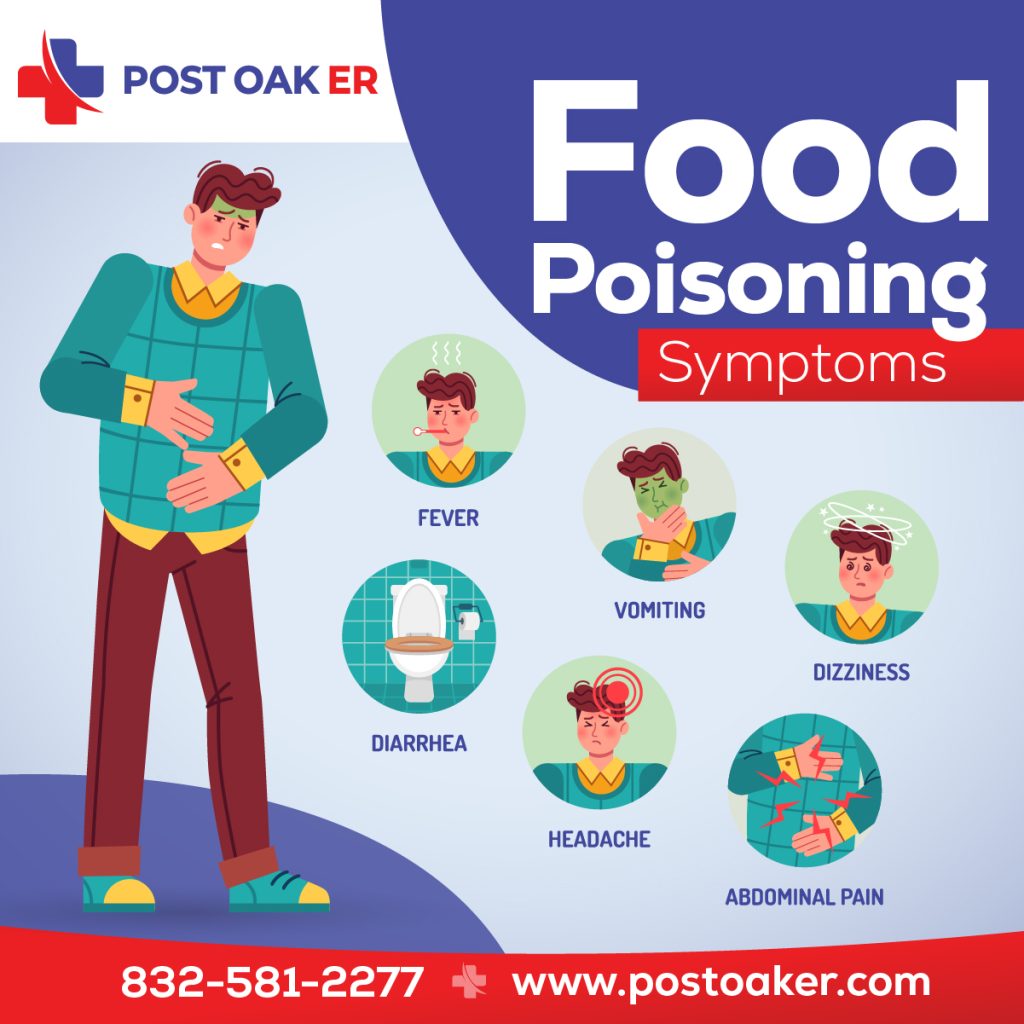
Can food poisoning cause headache, fever, or dizziness?
There is no high-quality evidence supporting this within the verified sources used for this article.
Can poison ivy make you feel tired or sick?
There is no high-quality evidence supporting this within the verified sources used for this article.
APA Reference List
American Academy of Pediatrics. (2021, September 6). Poison prevention & treatment tips for parents. HealthyChildren.org. https://www.healthychildren.org/English/safety-prevention/all-around/Pages/Poison-Prevention.aspx
Centers for Disease Control and Prevention. (2025, November 24). Food poisoning symptoms. https://www.cdc.gov/food-safety/signs-symptoms/index.html
Children’s Hospital of Philadelphia. (n.d.). Poison prevention tips: A guide for older adults. https://www.chop.edu/health-resources/poison-prevention-tips-guide-older-adults
Mayo Clinic Staff. (n.d.). Poisoning: First aid. Mayo Clinic. https://www.mayoclinic.org/first-aid/first-aid-poisoning/basics/art-20056657
Mayo Clinic Staff. (2025, August 16). Food poisoning (foodborne illness) — Symptoms and causes. Mayo Clinic. https://www.mayoclinic.org/diseases-conditions/food-poisoning/symptoms-causes/syc-20356230
MedlinePlus. (2025, January 8). Poison control center — emergency number. MedlinePlus Medical Encyclopedia. https://medlineplus.gov/ency/article/002724.htm
MedlinePlus. (2025, August 1). Poisoning first aid. MedlinePlus Medical Encyclopedia. https://medlineplus.gov/ency/article/007579.htm
National Capital Poison Center. (n.d.). Get help for a poisoning. Poison Control (Poison.org). https://www.poison.org/need-immediate-assistance
National Capital Poison Center. (n.d.). Poison control. Poison.org. https://www.poison.org/
National Capital Poison Center. (n.d.). Online poison control — webPOISONCONTROL. https://www.webpoisoncontrol.org/
Nationwide Children’s Hospital. (n.d.). Poison prevention tips. https://www.nationwidechildrens.org/specialties/central-ohio-poison-center/poison-prevention-tips