
Key Takeaways
- Pancreatitis is inflammation of the pancreas and can be acute (sudden) or chronic (long-lasting).
- Abdominal pain—often in the upper abdomen and sometimes radiating to the back—is a primary symptom.
- Severity varies: many acute cases improve within days, while severe cases can be life-threatening.
- Diagnosis and treatment depend on cause and severity and often require medical evaluation.
Overview
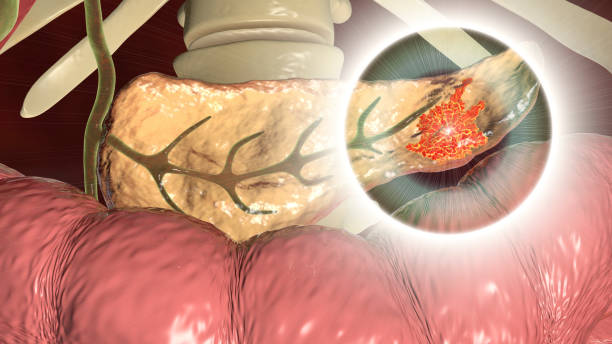
Pancreatitis is inflammation of the pancreas. The pancreas is a gland behind the stomach that helps digestion by making digestive enzymes and helps regulate blood sugar by making hormones such as insulin. Pancreatitis can happen suddenly (acute pancreatitis) or be long-lasting (chronic pancreatitis). Either form can be serious and can lead to complications.
How Common Is Pancreatitis in the United States?
Pancreatitis is a significant health concern in the U.S. Each year, thousands of people are hospitalized with this condition. Acute pancreatitis is the more frequent type, resulting in hundreds of thousands of hospital admissions annually. About one in five cases can turn severe, requiring more intensive care. Chronic pancreatitis, while less common, still accounts for tens of thousands of hospital stays each year. Both forms impact people of all ages but are more likely in adults with certain risk factors.
Pancreatic Function
The pancreas has two main functions:
- Digestion: It makes digestive juices (enzymes) that help digest food.
- Blood sugar regulation: It makes hormones such as insulin that help regulate blood sugar.
In pancreatitis, pancreatic enzymes can damage the pancreas and trigger inflammation.
Types of Pancreatitis
Acute Pancreatitis
- Starts suddenly and is usually a short-term condition.
- Many people improve and recover in several days with treatment, though severe cases may require a longer hospital stay and can develop serious complications.
Risk Factors for Recurrence of Acute Pancreatitis
Certain factors can increase the chances that acute pancreatitis may return. Common risk factors for recurrence include:
- Continued alcohol use: Drinking alcohol after an episode of acute pancreatitis significantly raises the risk of future episodes.
- Smoking: Smoking is associated with a higher likelihood of both first-time and recurring pancreatic inflammation.
- Unremoved gallstones: If gallstones triggered the initial pancreatitis and are not treated (often by removing the gallbladder), recurrent attacks are more likely.
- Persistent high triglyceride levels: Ongoing issues with elevated blood fats can also contribute to repeat episodes.
- Some medications or underlying medical conditions: These may need to be addressed by your doctor to help reduce your risk.
Addressing these risk factors—by abstaining from alcohol and smoking, managing cholesterol, and treating gallstones—can help prevent acute pancreatitis from coming back.
Chronic Pancreatitis
- A long-lasting condition in which the pancreas does not heal or improve and can worsen over time.
- Can lead to lasting damage (including scarring) that interferes with normal pancreatic function, including digestion and blood sugar regulation.
- Some people with chronic pancreatitis have complications before they notice symptoms.
Lifestyle Changes for Chronic Pancreatitis
Making certain lifestyle adjustments can play a key role in managing chronic pancreatitis and slowing its progression. The most important steps include:
- Avoiding alcohol and tobacco: Both drinking alcohol and smoking are major risk factors that can worsen pancreatic damage. Quitting these habits is strongly advised—talk to your healthcare team if you need support or resources for stopping.
- Eating a low-fat diet: Reducing fat intake helps minimize stress on the pancreas. Focus on well-balanced meals that are low in saturated fat, with an emphasis on fresh fruits, vegetables, whole grains, and lean proteins.
- Staying hydrated: Drinking plenty of water each day is important to support overall health and digestion.
Adopting these changes can help manage symptoms, reduce flare-ups, and support your pancreas as much as possible.
Symptoms
Common Symptoms
Abdominal pain is a primary symptom. Pain may:
- Be in the upper abdomen
- Spread (radiate) to the back
- Feel worse after eating in some cases
Other symptoms that can occur (especially in acute pancreatitis) include:
- Nausea and vomiting
- Fever
- Fast heartbeat
Symptoms More Common in Chronic Pancreatitis
- Upper abdominal pain (some people have no pain)
- Pain that may spread to the back, become constant and severe, and become worse after eating
- Weight loss
- Greasy, foul-smelling stools
- Diarrhea, nausea, vomiting
Chronic pancreatitis can also involve ongoing pain management, which may be complex and require a variety of approaches. Sometimes, pain can persist or worsen over time, making daily activities challenging. It’s important for people with chronic pancreatitis to communicate closely with their healthcare provider about their pain, especially if current treatments aren’t effective. Options to manage chronic pain can include different medications, referral to a pain specialist, or in some cases, procedures such as endoscopic treatments to remove scar tissue or pancreatic stones. In certain situations, nerve blocks (such as a celiac plexus block) may be considered to help relieve severe pain.
Managing these symptoms and pain effectively is an important part of living with chronic pancreatitis, and treatment plans are often tailored to each individual.
Causes
Common causes include:
- Gallstones
- Heavy alcohol use
- Some medicines
- Genetic disorders affecting the pancreas
Other causes can include:
- Blockage in the pancreatic duct
- High levels of blood fats (lipids)
- High blood calcium levels
- Infections
- Injury to the abdomen
- ERCP (a procedure used to treat another condition)
Sometimes, doctors can’t identify a cause (idiopathic pancreatitis).
The specific cause may affect how the condition develops and what treatment is needed.
How Alcohol Use Can Trigger Pancreatitis
Drinking heavily is a well-established risk factor for pancreatitis, but the exact reasons remain unclear. Research suggests that when you drink large amounts of alcohol, it can cause harmful substances (byproducts of alcohol metabolism) to build up in your body. These substances may irritate or damage pancreatic cells, prompting inflammation.
Alcohol can also disrupt the normal function of pancreatic enzymes, causing them to become activated while still inside the pancreas instead of the digestive tract. This “early activation” can lead the enzymes to start digesting pancreatic tissue, triggering and sustaining inflammation. It’s estimated that heavy alcohol consumption is responsible for about half of all acute and chronic pancreatitis cases.
How Do Gallstones Cause Pancreatitis?
Gallstones can trigger pancreatitis when they travel from the gallbladder and become lodged where the bile duct and pancreatic duct meet before emptying into the intestine. This blockage stops pancreatic digestive enzymes from draining properly. Instead of moving into the intestines as they should, the enzymes build up and become activated within the pancreas itself. When this happens, the enzymes start to digest the pancreas from the inside, leading to inflammation—known as gallstone pancreatitis.
Preventing Gallstones and Alcohol-Related Pancreatitis
While not all causes of pancreatitis are avoidable, there are steps you can take to lower your risk—especially when it comes to gallstones and alcohol-related pancreatitis:
- Limit alcohol intake: Drinking less alcohol, or avoiding it altogether, is one of the most effective ways to protect your pancreas. If you’ve already experienced pancreatitis, it’s especially important to abstain from alcohol and avoid smoking, as both can increase your risk of recurrence.
- Maintain a healthy diet and weight: Eating a balanced diet that’s lower in saturated fats and cholesterol can help prevent gallstones, which are a leading cause of pancreatitis. Staying physically active and maintaining a healthy weight are also helpful.
- Manage cholesterol and blood fats: High blood cholesterol or triglyceride levels can contribute to gallstone formation. Work with your healthcare provider to keep these numbers within a healthy range.
- Preventive surgery when needed: If you’ve had pancreatitis caused by gallstones, your doctor may recommend removing your gallbladder (cholecystectomy) to help prevent future episodes.
These strategies can’t eliminate all risk, but they go a long way toward reducing the chance of developing pancreatitis related to gallstones or alcohol use.
Prevention
Not all cases of pancreatitis can be prevented, but you can lower your risk with some practical steps:
- Limit alcohol consumption: Heavy drinking is a leading cause of pancreatitis. If you drink alcohol, do so in moderation—or consider avoiding it altogether, especially if you’ve had pancreatitis before.
- Maintain a healthy cholesterol level: High cholesterol can contribute to gallstone formation, which is another major trigger. A balanced diet and regular exercise are key.
- Don’t smoke: Smoking increases your risk of developing pancreatitis and can also make recovering from it more difficult.
- Manage underlying conditions: If you have high triglycerides, diabetes, or other metabolic conditions, work with your healthcare provider to keep these under control.
- Address gallbladder issues: If your pancreatitis was due to gallstones, your doctor may recommend surgical removal of the gallbladder to help prevent a recurrence.
While some risk factors—like certain genetic conditions—are beyond our control, these steps can go a long way in reducing your chances of developing pancreatitis.
Diagnosis
Clinicians may use:
- Medical history and physical exam
- Lab tests, including blood tests that can measure amylase and lipase
- Stool tests in some situations (for example, to evaluate fat malabsorption)
- Imaging tests such as ultrasound, CT scan, and MRCP, depending on the clinical situation
Additional tests may be ordered, especially if chronic pancreatitis is suspected. These can include:
- Glucose tests to check if the pancreas is still producing insulin effectively
- Stool elastase tests to determine if enough digestive enzymes are being made
- Fecal fat analysis to look for excess fat in stool, which can signal fat malabsorption
- Blood tests to assess nutritional status and levels of fat-soluble vitamins
These tests help identify how well the pancreas is working and can guide both diagnosis and treatment planning.
Treatment
Treatment depends on the cause and severity and may include hospital care to manage symptoms and complications. Supportive treatment can include:
- Intravenous (IV) fluids
- Pain medicines
- Nutrition support (for example, if eating isn’t possible due to symptoms, a feeding tube may be used)
- In some cases, being advised not to eat solid foods for a period
For most people with acute pancreatitis, the primary goal is to support the body’s natural healing process while addressing the underlying cause. Hydration is especially important, as pancreatitis can lead to significant fluid loss. If you’re unable to eat by mouth, nutrition may be provided through a feeding tube placed in your nose or directly into your stomach, or, in more severe cases, through an IV (parenteral nutrition). Pain relief is also a key part of treatment and may involve medications given by mouth or through an IV, depending on your needs.
Some people may require more intensive care, particularly if complications develop or if the condition is severe. Emergency procedures may be needed for certain causes, and close monitoring in a hospital setting ensures that any complications are recognized and treated promptly.
Treating the underlying cause may involve procedures such as ERCP to locate and remove gallstones in appropriate cases. In an ERCP (endoscopic retrograde cholangiopancreatography), a thin, flexible tube with a camera (endoscope) is passed down the throat, through the esophagus and stomach, and into the bile ducts. This allows doctors to view the ducts on a monitor in real time and, when necessary, insert small tools through the tube to find and extract gallstones that may be blocking the ducts.
When Is Surgery Needed?
In some cases of chronic pancreatitis, surgery may be considered if other treatments do not control symptoms or if complications develop. Surgical options are usually reserved for people with severe, ongoing pain that hasn’t responded to medications or other therapies, or when inflammation is focused on a section of the pancreas causing problems like infection or obstruction.
Types of surgery may include:
- Partial removal (resection): When inflammation or damage is confined to a specific area, surgeons may remove only the affected part of the pancreas.
- Total pancreatectomy: In rare and advanced cases where the entire pancreas is extensively damaged and continues to cause serious symptoms, complete removal of the pancreas might be necessary.
Surgical decisions are based on individual needs and the extent of pancreatic damage. Your healthcare team will weigh the risks and potential benefits before recommending surgery.
When Is Gallbladder Removal Surgery Recommended?
Gallbladder removal (cholecystectomy) is often recommended when gallstones cause problems—such as triggering pancreatitis, causing pain, or leading to infection or other complications. If you’ve had an episode of pancreatitis linked to gallstones, there is a high risk that more issues could follow unless the gallbladder is removed.
Most cholecystectomies are performed using minimally invasive (laparoscopic) techniques, which involve a few small incisions and the use of a tiny camera to guide the procedure. In some cases, if the condition is more complicated or if the anatomy requires it, traditional open surgery may be needed.
Removing the gallbladder helps prevent repeat episodes and further complications in people whose gallstones have already caused trouble.
Surgical Options for Gallbladder Removal
If gallstones are the cause of pancreatitis or have led to other complications, surgical removal of the gallbladder may be recommended to prevent future episodes. The most common surgical option is laparoscopic cholecystectomy—a minimally invasive procedure where the gallbladder is removed using several small incisions and a camera-guided instrument. This approach generally allows for a quicker recovery and less postoperative pain.
In some situations, an open cholecystectomy may be necessary. This involves a larger incision and is typically reserved for cases where laparoscopic surgery is not possible due to certain risk factors or complications. Your medical team will determine the best option based on your individual condition and overall health.
Possible Complications
- Severe acute pancreatitis can cause a systemic reaction that may lead to shock and multiple organ failure.
- Severe acute pancreatitis can involve necrosis and infection and may become life-threatening.
- Chronic pancreatitis can lead to malabsorption and malnutrition over time.
As the pancreas becomes increasingly scarred, it produces fewer digestive enzymes, which makes it difficult for the body to properly absorb nutrients—especially fats and fat-soluble vitamins. This can cause excess fat to pass into the stool, resulting in greasy, foul-smelling stools and even chronic diarrhea. Over time, poor absorption of nutrients may lead to unintended weight loss and the effects of vitamin and nutrient deficiencies. - Chronic pancreatitis can lead to problems regulating blood sugar and may lead to diabetes.
Managing Chronic Pancreatitis: Slowing Progression and Addressing Complications
Management of chronic pancreatitis focuses on controlling symptoms, slowing disease progression, and addressing complications as they arise. Treatment is often coordinated between your primary provider and specialists, such as gastroenterologists.
Key Strategies Include:
- Lifestyle Changes
Stopping alcohol use and quitting smoking are essential steps. Both can accelerate pancreatic damage. Your healthcare team may suggest resources or support programs to make these changes easier. Following a low-fat diet, staying hydrated, and prioritizing fruits and vegetables can help reduce symptoms and support overall health. - Pain Management
Chronic pain can be challenging to manage. Your provider may recommend different pain medicines, and in some cases, consults with pain specialists. Occasionally, procedures such as endoscopic removal of scar tissue or stones within the pancreas, or nerve block injections (to numb the pain signals), may be considered. - Enzyme and Nutritional Support
If the pancreas can’t make enough digestive enzymes (exocrine insufficiency), enzyme supplements may be prescribed to aid digestion. Monitoring and managing nutrition is also important—some individuals require vitamin and mineral supplements, or extra calories if weight loss becomes a problem. Since chronic pancreatitis can impact how the body handles blood sugar, regular monitoring is needed; insulin therapy may become necessary if diabetes develops. - Surgical Options
In select cases, surgery might be needed to address areas of severe inflammation, scarring, or complications that don’t respond to other treatments. This can range from removing part of the pancreas to, in rare and severe situations, removing the whole gland.
Work closely with your healthcare team to tailor management for your needs, and to monitor for complications such as infections, malnutrition, and difficulties with blood sugar control.
Does Chronic Pancreatitis Increase Pancreatic Cancer Risk?
Chronic pancreatitis does increase the risk of developing pancreatic cancer, although it remains a relatively uncommon outcome. Ongoing inflammation in the pancreas over many years can, in some cases, result in cellular changes that lead to cancer—specifically, pancreatic adenocarcinoma. Studies estimate the long-term risk to be about 1%–2% among individuals with chronic pancreatitis, which is higher than in the general population.
Because the symptoms of pancreatic cancer can mimic or overlap with those of chronic pancreatitis—such as upper abdominal pain, unintended weight loss, and changes in stool—detecting cancer early can be challenging. This is why healthcare providers may recommend periodic screening or close monitoring for people who have chronic pancreatitis, especially if other risk factors like a family history of pancreatic cancer are present.
If you have chronic pancreatitis, discuss your specific risks and any recommendations for regular screening with your healthcare team. Ongoing communication and check-ups can help with early detection and provide peace of mind.
Recovery and Outlook
- Many people with acute pancreatitis start to feel better within about a week, and many are well enough to leave the hospital after a few days.
- Recovery can take longer in severe cases, especially if complications develop.
- Chronic pancreatitis is a long-term condition that may require ongoing management and follow-up over time.
When to See a Doctor
Seek medical care right away if you have symptoms that could indicate severe pancreatitis, such as:
- Severe or worsening abdominal pain or tenderness
- Nausea and vomiting
- Fever or chills
- Fast heartbeat
- Shortness of breath
- Yellowing of the skin or whites of the eyes (jaundice)
You may not be able to tell how severe pancreatitis is based on symptoms alone, so urgent evaluation is recommended when symptoms are significant.
Frequently Asked Questions
Where is pancreatitis pain located?
Pain is commonly felt in the upper abdomen and may radiate to the back.
Can pancreatitis pain get worse after eating?
Yes. Pain in pancreatitis may feel worse after eating, and in acute pancreatitis, eating may make symptoms feel worse quickly.
Can back pain and stomach pain happen together in pancreatitis?
Yes. Abdominal pain in pancreatitis may spread to the back.
Does pancreatitis cause lower back pain or lower abdominal pain specifically?
There is no high-quality evidence supporting this.
How long does acute pancreatitis last?
Acute pancreatitis often improves within several days with treatment, but more severe cases may require a longer hospital stay.
Can pancreatitis go away on its own?
Some cases of acute pancreatitis may go away on their own, but this depends on what caused it and how severe it is. Medical evaluation is still recommended when symptoms occur.
Is pancreatitis deadly?
Pancreatitis can be serious. Severe acute pancreatitis can lead to life-threatening complications, including organ failure, and may be fatal.
Is dehydration a reason to seek emergency care for pancreatitis?
There is no high-quality evidence supporting this.
Can I see a picture of the pancreas?
There is no high-quality evidence supporting this.
What is pancreatitis?
Pancreatitis is inflammation of the pancreas.
What causes pancreatitis?
Common causes include gallstones and heavy alcohol use, as well as genetic disorders of the pancreas and some medicines. Other causes are possible, and sometimes the cause is unknown.
How is pancreatitis diagnosed?
Diagnosis may include medical history, physical exam, lab testing (including pancreatic enzymes such as amylase and lipase), imaging tests, and sometimes stool tests.
What are common treatments?
Treatment often involves hospital-based supportive care such as IV fluids, pain medicines, and nutrition support when needed, plus treatment of the underlying cause when appropriate.
Is pancreatitis contagious?
There is no high-quality evidence supporting this.
APA Reference List
Cleveland Clinic. (2023, January 12). Pancreatitis. Cleveland Clinic. https://my.clevelandclinic.org/health/diseases/8103-pancreatitis
Mayo Clinic Staff. (2025, October 31). Pancreatitis: Diagnosis and treatment. Mayo Clinic. https://www.mayoclinic.org/diseases-conditions/pancreatitis/diagnosis-treatment/drc-20360233
Mayo Clinic Staff. (2025, October 31). Pancreatitis: Symptoms and causes. Mayo Clinic. https://www.mayoclinic.org/diseases-conditions/pancreatitis/symptoms-causes/syc-20360227
Mayo Clinic Health System. (n.d.). Pancreatitis. Mayo Clinic Health System. https://sncs-prod-external.mayo.edu/locations/sparta/services-and-treatments/gastroenterology-and-hepatology/digestive-disorders/pancreatitis
National Health Service. (2022, May 24). Acute pancreatitis. NHS. https://www.nhs.uk/conditions/acute-pancreatitis/
National Health Service. (2022, May 24). Acute pancreatitis: Complications. NHS. https://www.nhs.uk/conditions/acute-pancreatitis/complications/
National Institute of Diabetes and Digestive and Kidney Diseases. (2017, November). Diagnosis of pancreatitis. National Institutes of Health. https://www.niddk.nih.gov/health-information/digestive-diseases/pancreatitis/diagnosis
National Institute of Diabetes and Digestive and Kidney Diseases. (2017, November). Pancreatitis. National Institutes of Health. https://www.niddk.nih.gov/health-information/digestive-diseases/pancreatitis
National Library of Medicine. (2024, September 13). Pancreatitis. MedlinePlus. https://medlineplus.gov/pancreatitis.html
NHS inform. (2025, July 9). Acute pancreatitis. NHS inform. https://www.nhsinform.scot/illnesses-and-conditions/stomach-liver-and-gastrointestinal-tract/acute-pancreatitis/