
Key Takeaways
- Norovirus is a highly contagious viral infection that causes acute gastroenteritis with vomiting and diarrhea.
- Symptoms usually begin 12–48 hours after exposure and most people recover within 1–3 days.
- Dehydration is a major concern, especially for young children, older adults, and people with weakened immune systems.
- There is no specific antiviral treatment; care focuses on hydration and prevention of spread.
- Strict hygiene and proper cleaning are essential because the virus can survive on surfaces for days or weeks.
Introduction
Norovirus infection is a highly contagious viral illness that affects the gastrointestinal tract and causes acute gastroenteritis, an inflammation of the stomach and intestines. It commonly leads to vomiting and diarrhea and can affect people of all ages. Most cases are short-lived, but the infection spreads easily, particularly in close-contact environments, making prevention and supportive care essential.
What Is Norovirus?
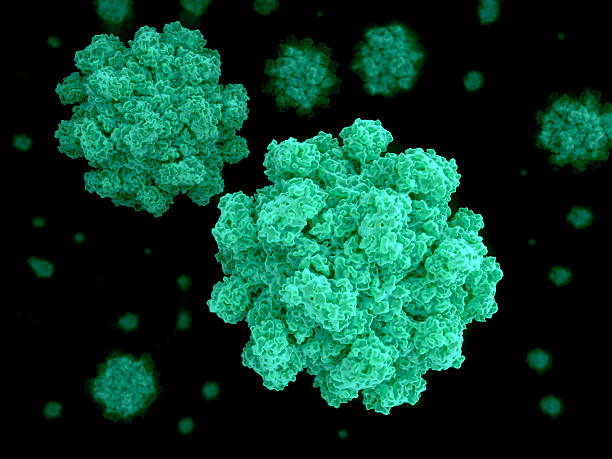
Norovirus is a virus that infects the gastrointestinal tract and is a leading cause of vomiting and diarrhea associated with acute gastroenteritis. It is often referred to as the “stomach flu,” although it is not related to influenza, which is a respiratory illness. Norovirus outbreaks commonly occur in schools, childcare centers, nursing homes, healthcare facilities, restaurants, and cruise ships.
Symptoms
Norovirus symptoms typically include:
- Nausea
- Vomiting
- Diarrhea
- Stomach cramps or abdominal pain
Additional symptoms may include:
- Low-grade fever
- Headache
- Body or muscle aches
- General feeling of illness
Symptoms usually begin 12 to 48 hours after exposure and most often resolve within 1 to 3 days.
Dehydration: A Key Concern
Dehydration is a well-recognized complication of norovirus infection and can be serious, particularly for young children, older adults, and people with weakened immune systems.
Common signs of dehydration include:
- Dry mouth or throat
- Reduced urination or dark urine
- Dizziness or lightheadedness
- In children, crying with few or no tears or unusual sleepiness
How Norovirus Spreads
Norovirus spreads primarily through the fecal–oral route. Transmission can occur through:
- Eating food or drinking liquids contaminated with the virus
- Touching contaminated surfaces and then touching the mouth
- Close contact with someone who is infected
- Exposure to vomit or stool particles
The virus can survive on surfaces for days or weeks, which contributes to its rapid spread and makes thorough cleaning and disinfection important.
Does Norovirus Spread Through Saliva?
Norovirus is not considered saliva-borne in the same way as respiratory viruses. However, exposure to vomit droplets or contaminated hands and surfaces can indirectly transfer the virus to the mouth.
How Contagious Is Norovirus?
Norovirus is extremely contagious. People are most infectious:
- While they have symptoms, especially vomiting and diarrhea
- For a short period after symptoms stop
Some individuals may continue to shed the virus for up to two weeks after recovery, meaning they can still spread the infection even after feeling better. It’s also important to note that some people infected with norovirus never develop any symptoms at all—yet they are still contagious and capable of passing the virus to others. This makes norovirus especially difficult to control, as seemingly healthy individuals can unknowingly contribute to outbreaks.
Causes and Risk Factors
Norovirus infection occurs after exposure to the virus itself. Factors that increase risk include:
- Close contact with infected individuals
- Crowded or shared environments
- Food prepared by someone who is infected
- Poor hand hygiene
People at higher risk for complications include:
- Infants and young children
- Older adults
- Individuals with weakened immune systems
Testing and Diagnosis
In many cases, norovirus is diagnosed based on symptoms and clinical evaluation, especially during known outbreaks. Stool testing may be used in certain situations, such as severe illness, high-risk patients, or public health investigations.
Treatment and Recovery
There is no specific antiviral medication that cures norovirus infection. Treatment focuses on supportive care, particularly preventing dehydration.
Supportive measures include:
- Drinking fluids to replace lost water and electrolytes
- Taking small, frequent sips if vomiting is present
Antibiotics are not effective against norovirus because it is a viral infection.
Prevention
Preventing norovirus infection relies on hygiene and environmental measures:
- Washing hands thoroughly with soap and water
- Staying home when sick and avoiding food preparation for others
- Cleaning and disinfecting contaminated surfaces using appropriate disinfectants
- Washing soiled clothing and linens properly
Hand sanitizers alone are not sufficient, as they do not work well against norovirus.
For added protection—both during illness and for 2 to 3 days after symptoms resolve—take extra steps:
- Avoid contact with others as much as possible to limit the spread.
- Keep children home from school or daycare until fully recovered.
- Refrain from handling food and items others will use. This includes plates, utensils, and shared spaces.
- Disinfect contaminated surfaces with a cleaner proven effective against norovirus.
- Dispose of vomit and stool carefully. Use disposable gloves and towels, and disturb soiled materials as little as possible to prevent particles from spreading through the air. Place used towels and gloves in a sealed plastic bag before discarding.
- Launder contaminated clothes and linens promptly in hot water.
- Delay travel plans until you have been symptom-free for at least 2 to 3 days.
These precautions are especially important in shared or crowded environments, helping to break the cycle of infection and protect vulnerable individuals.
Why Soap and Water Work Better Than Hand Sanitizer
Alcohol-based hand sanitizers aren’t very effective at killing norovirus because the virus has a sturdy outer protein shell that resists alcohol. In contrast, thorough handwashing with soap and water helps physically remove the virus particles from your hands, which reduces the risk of spreading the infection. For this reason, washing hands with soap and warm water—especially after using the bathroom or handling diapers—is your best defense when norovirus is circulating.
Precautions When Traveling to High-Risk Areas
Traveling to places where norovirus is common calls for extra vigilance. To reduce your risk of infection:
- Stick to foods that are thoroughly cooked and served hot.
- Drink only beverages that are sealed and carbonated, or those that have been boiled (like tea and coffee).
- Give street food a pass, tempting as it may be, since food hygiene is not always guaranteed.
- Use bottled water for brushing your teeth and avoid ice, as freezing does not reliably kill norovirus.
- Wash hands frequently, especially before eating and after using the restroom—carry hand wipes or soap, as hand sanitizers alone may not be effective.
Taking these steps can help you enjoy your travels while minimizing your exposure to norovirus.
When to See a Doctor
Contact a healthcare professional if:
- Symptoms last more than a few days
- There are concerns about dehydration
- The affected person is very young, older, or has a weakened immune system
Prompt medical attention can help prevent complications related to dehydration.
Frequently Asked Questions
What is norovirus?
Norovirus is a highly contagious virus that causes acute gastroenteritis with symptoms such as vomiting and diarrhea.
How long does norovirus last?
Most people recover within 1 to 3 days.
Is norovirus the same as the flu?
No. Although often called the “stomach flu,” norovirus is not related to influenza.
Can you get norovirus more than once?
Yes. People can be infected more than once.
Is norovirus life-threatening?
Most cases are not life-threatening, but severe dehydration can be dangerous, especially in vulnerable populations.
Does norovirus spread through saliva?
Norovirus is not considered saliva-borne like respiratory viruses, but indirect transfer can occur through contaminated hands or exposure to vomit droplets.
What is norovirus caused by?
Norovirus infection is caused by exposure to the norovirus itself.
Is norovirus lethal?
Most cases are not fatal. Severe outcomes are usually related to complications such as dehydration.
APA Reference List
American Medical Association. (2025, January 24). What doctors wish patients knew about the contagious norovirus. https://www.ama-assn.org/public-health/infectious-diseases/what-doctors-wish-patients-knew-about-contagious-norovirus
Centers for Disease Control and Prevention. (2024, March 18). Food worker handwashing in restaurants. https://www.cdc.gov/restaurant-food-safety/php/practices/handwashing.html
Centers for Disease Control and Prevention. (2024, April 24). About norovirus. https://www.cdc.gov/norovirus/about/index.html
Centers for Disease Control and Prevention. (2024, May 8). Norovirus facts and stats. https://www.cdc.gov/norovirus/data-research/index.html
Centers for Disease Control and Prevention. (2025, April 23). Norovirus (CDC Yellow Book). https://www.cdc.gov/yellow-book/hcp/travel-associated-infections-diseases/norovirus.html
Centers for Disease Control and Prevention. (2025, December 17). NoroSTAT data. https://www.cdc.gov/norovirus/php/reporting/norostat-data.html
Centre for Health Protection, Department of Health (Hong Kong). (2025, May 6). Norovirus infection. https://www.chp.gov.hk/en/healthtopics/content/24/33.html
Desai, A. N. (2019). What is norovirus? JAMA, 322(20), 2032. https://doi.org/10.1001/jama.2019.15921
Mayo Clinic Staff. (2025, April 30). Norovirus infection: Symptoms & causes. Mayo Clinic. https://www.mayoclinic.org/diseases-conditions/norovirus/symptoms-causes/syc-20355296
National Library of Medicine. (2016, August 25). Norovirus infections. MedlinePlus. https://medlineplus.gov/norovirusinfections.html
National Library of Medicine. (2023, December 29). Dehydration. MedlinePlus. https://medlineplus.gov/dehydration.html