
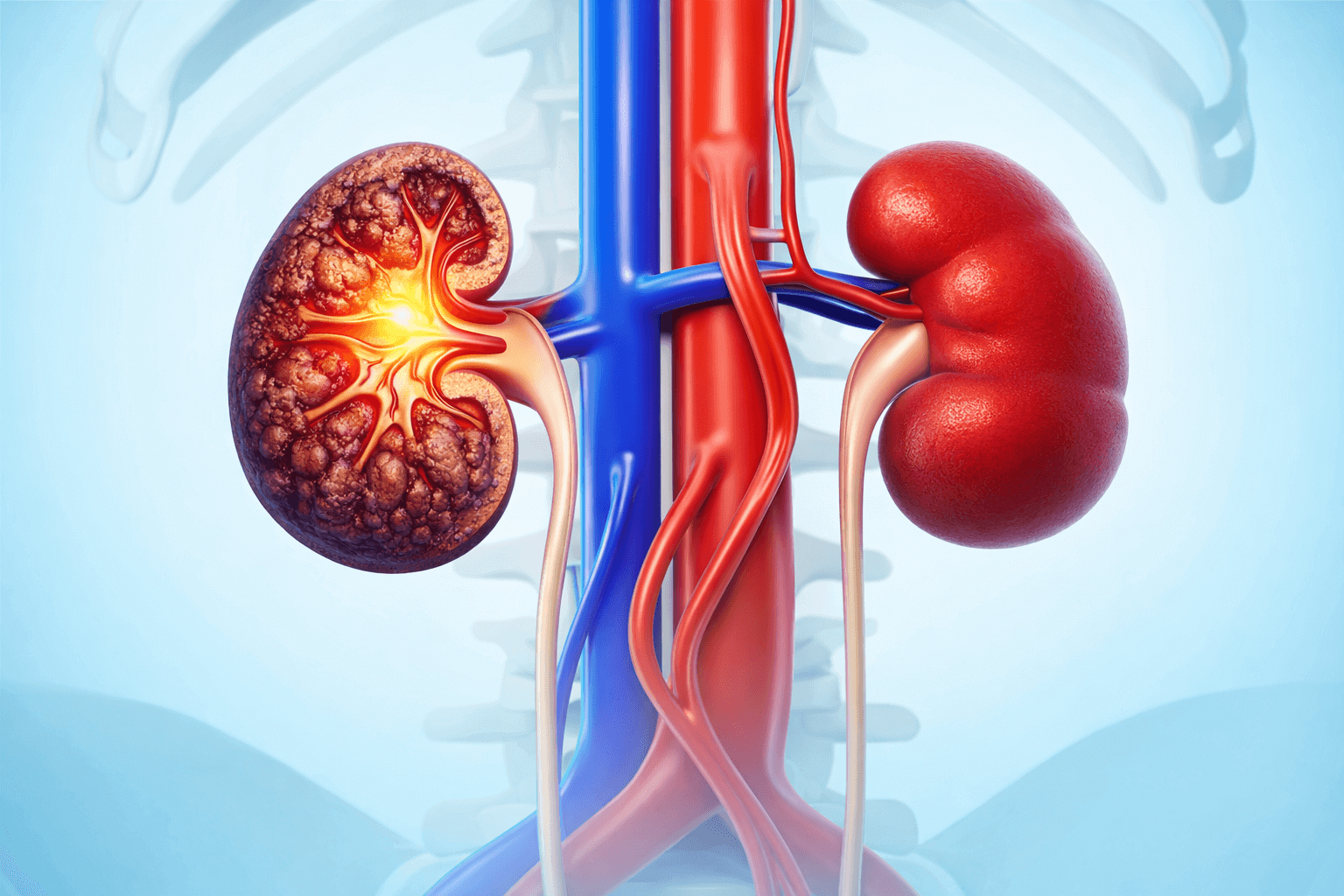
If you were told you have stage 3 kidney disease (also called stage 3 chronic kidney disease or CKD stage 3), you’re not alone—and you’re not “at kidney failure.” Stage 3 means your kidneys are working less efficiently than they should, but many people can stay stable for years with the right plan.
What worries me as an ER doctor isn’t the label itself. It’s when someone doesn’t realize how common CKD is, misses early clues, or ignores warning symptoms that shouldn’t wait.
This article is for education—not a diagnosis. If you’ve been told you have CKD, your primary doctor and/or a nephrologist should guide your long-term plan.
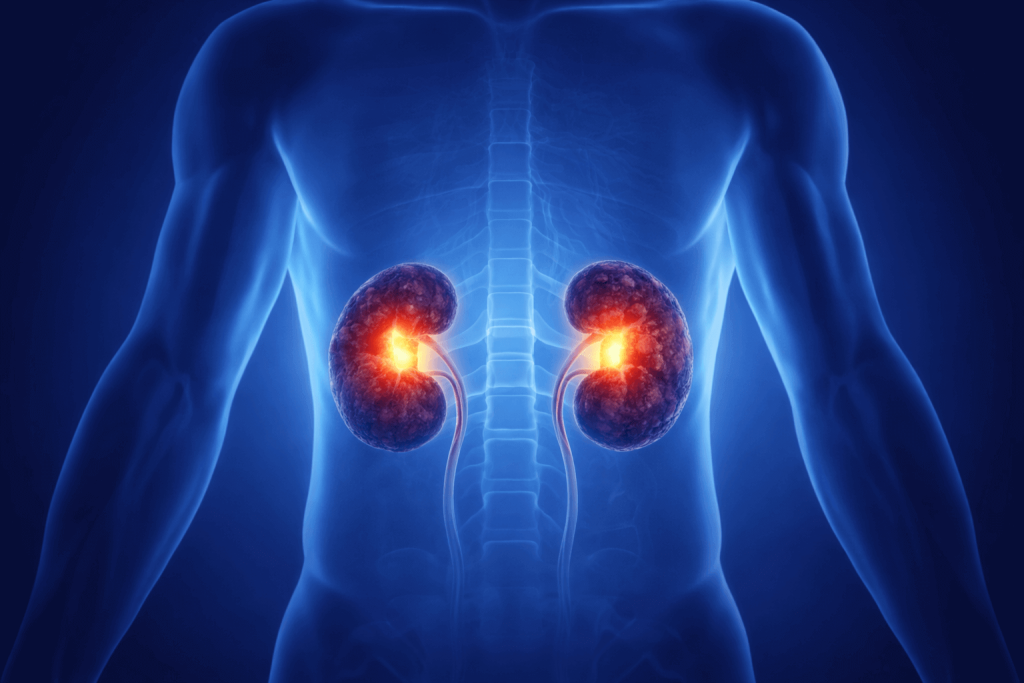
What does stage 3 kidney disease mean?
Doctors stage CKD mainly using eGFR (estimated glomerular filtration rate)—a blood-test estimate of how well your kidneys filter waste.
How is Stage 3 CKD Different from Other Stages?
CKD isn’t all or nothing—it’s a spectrum. Doctors group it into five distinct stages to better predict risk and guide care:
- Stage 1: Your kidneys still filter well (eGFR 90 or above), but there are signs of trouble (like protein in the urine or structural changes).
- Stage 2: Filtering drops a bit (eGFR 60–89), and damage may be subtle.
- Stage 3: This is where things shift. Filtering drops further (eGFR 30–59), and it’s split into two “flavors”:
- Stage 3a: eGFR 45–59
- Stage 3b: eGFR 30–44
- Stage 4: A serious dip (eGFR 15–29)—much higher risk for complications.
- Stage 5: Kidneys are in full failure territory (eGFR below 15).
What sets Stage 3 apart:
Unlike the earliest stages (which are often silent and only caught on routine labs), Stage 3 generally means your kidneys are less efficient at filtering—though most people still feel fine, especially early on. Here’s where the long-game matters. You might not see dramatic symptoms yet, but the risks for things like high blood pressure, anemia, and bone health issues start creeping up. Regular blood and urine checks—including eGFR and urine albumin-to-creatinine ratio (uACR)—become increasingly important, since these tests help monitor your kidneys’ filtering and check for protein leaks that could hint at more active damage.
The good news? Many people with Stage 3 CKD stabilize with the right approach, potentially holding steady for years and avoiding further drop-off. The key is catching changes early, managing risk factors, and working with your healthcare team to tackle problems before they snowball.
Stage 3a vs. Stage 3b
Stage 3 is split into two sub-stages:
- Stage 3a CKD: eGFR 45–59 for 3+ months
- Stage 3b CKD: eGFR 30–44 for 3+ months
This split helps clinicians understand risk and how closely to monitor things.
Is stage 3 kidney disease serious?
It’s serious in the sense that it increases your risk for complications and future decline—but it’s also a stage where you can still do a lot to protect your kidneys.
Stage 3 is often when people first find out they have CKD, and symptoms may be mild or absent early on.
At this point, your kidneys are damaged, but you don’t need dialysis or a transplant. The focus is on slowing further decline, watching for complications, and keeping a close eye on two main lab values: your eGFR (which estimates how well your kidneys filter waste) and your urine albumin-to-creatinine ratio (uACR). The uACR checks for albumin, a type of protein, leaking into your urine—an early sign that your kidneys aren’t filtering as tightly as they should. Higher levels of albumin in your urine mean there’s more significant kidney damage and a greater risk for heart disease and progression to more severe CKD.
While there’s no cure for chronic kidney disease and lost kidney function usually can’t be regained, many people with stage 3 CKD never progress to kidney failure. With the right treatment, healthy lifestyle changes, and regular monitoring of your eGFR and uACR, you can help preserve kidney function and reduce the risk of complications down the road.
CKD stage 3 symptoms: what people actually notice
Many people with stage 3a have no obvious symptoms; symptoms can start to appear as kidney function declines.
When symptoms show up, they often look like “everyday” issues—fatigue, itching, swelling, appetite changes—so they get brushed off.
Possible symptoms in stage 3a
- Changes in urination (more or less than usual)
- Itchy/dry skin
- Feeling tired
- Nausea, decreased appetite
- Unintentional weight loss
Symptoms may become more noticeable in stage 3b
- Urinating more or less than usual
- Itchy/dry skin
- Fatigue, trouble concentrating
- Numbness or swelling in legs/ankles/feet
- Muscle cramps
- Shortness of breath
- Nausea/vomiting, loss of appetite
What causes stage 3 kidney disease?
The most common causes in adults are:
- Diabetes
- High blood pressure (hypertension)
Other causes exist (autoimmune disease, inherited conditions, certain long-term medications, repeated kidney infections, obstruction, etc.), but diabetes and hypertension lead the list.
How do doctors figure out what caused my CKD?
Finding the root cause of your CKD isn’t one-size-fits-all—it usually takes a bit of detective work. Your doctor will start with a deep dive into your medical history and a physical exam. From there, they might order specific tests to get a clearer picture:
- Blood pressure readings: High blood pressure is a notorious kidney saboteur. Consistent readings help spot patterns.
- Urine tests: Checking for protein, blood, or other abnormalities can point toward certain types of kidney disease.
- Imaging (ultrasound, CT, MRI): These scans let doctors see the structure of your kidneys—looking for cysts, blockages, scarring, or other changes that could explain what’s going on.
- Kidney biopsy: If things aren’t clear, or if something unusual is suspected, a tiny sample of kidney tissue can reveal more under the microscope.
- Genetic testing: Rarely, especially if there’s a family history or symptoms suggest an inherited condition, genetic tests might help.
Most people won’t need all of these—but the right combination can shine a light on the “why” behind your diagnosis. Knowing the underlying cause isn’t just academic—targeted treatment (and knowing what to watch for) depends on it.
Don’t be shy about asking your doctor to explain what they’re looking for and why certain tests are being done. Managing CKD means playing offense—it’s about understanding your situation so you can make smart choices for your kidneys and overall health.
Family history and genetic risk factors for CKD
While diabetes and high blood pressure are the most common culprits in adults, your genes and family tree can also play a major role in kidney health. If you have close relatives—parents, grandparents, siblings, aunts, or uncles—who’ve had kidney disease, especially those needing dialysis, you may face a higher risk yourself.
Specific hereditary conditions can tip the scales:
- Polycystic kidney disease (PKD): An inherited disorder causing cysts in the kidneys.
- Alport syndrome: A genetic condition affecting kidney function, hearing, and vision.
- Fabry disease: A rare disorder that can damage the kidneys, heart, and other organs.
- Lupus: An autoimmune disorder with a strong familial tendency, sometimes leading to lupus nephritis.
- Atypical hemolytic uremic syndrome (aHUS): Rare but can run in families.
- Nephrotic syndrome: Certain genetic types may appear in more than one family member.
- History of kidney stones, heart disease, or diabetes in your family may also nudge your risk upward.
If you’re unsure about your family’s kidney health, or if you have a known inherited disorder, let your healthcare provider know. In some cases—especially with strong family histories or rare syndromes—genetic testing can help identify inherited kidney conditions early, well before obvious symptoms develop.
Your doctor or a genetic counselor can guide you on when genetic testing makes sense. Even if you haven’t had genetic testing, sharing a detailed family history can help them tailor your kidney care plan.
Can stage 3 kidney disease be reversed?
In most cases, CKD is not “reversed” in the way an infection is cured—because CKD means chronic, long-term damage. The goal is to slow progression and reduce complications, sometimes keeping kidney function stable for a long time.
What matters most is consistent follow-up and controlling the drivers—especially blood pressure and diabetes. NIDDK emphasizes blood pressure control as a key step and outlines practical management steps (BP control, glucose goals, medication adherence, dietitian support, etc.).
What medications are commonly prescribed for Stage 3 CKD?
For stage 3 CKD, your doctor will tailor treatment to manage both your kidney health and any related conditions—especially blood pressure and diabetes. Many of these medications are aimed at slowing further kidney decline, easing symptoms, and protecting your overall health.
Here’s what’s commonly on the prescription list:
- Blood pressure medications (ACE inhibitors and ARBs): These are kidney-protective, even for folks whose blood pressure is already well controlled. They help slow the drop in kidney function—sometimes prescribed even if you don’t have high blood pressure.
- Diabetes medications: Controlling blood sugar is crucial. Some diabetes medications, like SGLT2 inhibitors (e.g., empagliflozin/Jardiance, dapagliflozin/Farxiga), have extra kidney benefits. Your clinician may recommend these even if your blood sugar isn’t dramatically out of range.
- Diuretics (“water pills”): Used if you’re dealing with swelling or extra fluid retention. They help your kidneys get rid of excess salt and water, which can ease swelling in the legs or around your ankles.
- Medications to address mineral and bone health: As kidney function falls, calcium and vitamin D handling takes a hit. You may need supplements, especially if your labs show low levels. Sometimes medications like phosphate binders or newer nonsteroidal MRAs (like finerenone) come into play, depending on your labs and symptoms.
- Treatments for anemia: If your labs show low red blood cell counts, your doctor may check for iron levels first, then suggest iron supplements or other medications to boost your red blood cell production.
It’s important to know that some medications—like NSAIDs (e.g., ibuprofen, naproxen)—can be harmful to your kidneys. Always let your doctor or pharmacist know about everything you take, including over-the-counter meds, vitamins, and supplements.
Managing CKD is a team effort. Bringing all your medications (even the “just now and then” ones) to your appointments helps your care team keep your regimen as kidney-safe as possible.
What creatinine level is stage 3 kidney disease?
This is a very common question—and it’s a good one.
Here’s the honest answer: there isn’t one single creatinine number that defines stage 3 for everyone. eGFR is calculated using creatinine plus factors like age and sex, so two people can have the same creatinine and different eGFRs.
If you want clarity, ask your clinician:
- “What is my eGFR trend over time?”
- “What is my uACR (urine albumin/creatinine ratio)?”
The two tests that matter most: eGFR + urine albumin (uACR)
To understand CKD risk, clinicians typically look at:
- eGFR (blood test) – kidney filtering estimate
- uACR (urine albumin-to-creatinine ratio) – checks if protein is leaking into urine (a sign of kidney damage)
Why both tests matter
Think of eGFR as the measurement of how well your kidneys filter waste, while uACR shows if your kidneys are letting valuable proteins (like albumin) slip through into your urine. Both give different but equally important clues about your kidney health.
A higher uACR usually means more albumin is present in your urine, signaling more significant kidney damage. This matters because a rising uACR (especially alongside a dropping eGFR) can point to a higher risk of CKD progression and complications like heart disease—even if you don’t feel symptoms yet.
Routine testing and follow-ups
You might not notice any changes day to day, but your clinician will often check both eGFR and uACR at least once a year—sometimes more often if you have diabetes, high blood pressure, or a family history of kidney problems. These numbers help guide decisions about treatment, lifestyle changes, and the best way to protect your kidneys for the long haul.
Understanding your eGFR and uACR trends lets you and your healthcare team spot problems early—and sometimes keep CKD from getting worse. Even though CKD isn’t usually “reversible,” careful management and monitoring can keep you feeling well, often for years.
What uACR results can mean
- A urine albumin result 30 mg/g or higher may mean kidney disease, and tests are often repeated to confirm.
- NKF notes <30 mg/g is considered normal and >30 mg/g may indicate kidney disease (even if eGFR is above 60).
- NIDDK similarly describes uACR above 30 mg/g as higher than normal.
Stage 3 CKD complications (what your doctor may screen for)
Stage 3 is where clinicians start paying closer attention to complications, including:
- Anemia
- Mineral and bone disorder
- Metabolic acidosis
That doesn’t mean you will develop these issues—but it’s why follow-up labs matter.
How often should you get checkups and labs with stage 3 CKD?
If you have stage 3 chronic kidney disease, regular follow-up is key. Most experts (like NIDDK and the National Kidney Foundation) recommend:
- Seeing your healthcare provider for a kidney checkup at least once a year—often more frequently.
- Many clinicians will want to monitor your labs (such as eGFR, uACR, electrolytes, and hemoglobin) every 3 to 6 months, depending on your specific risk factors and any changes in symptoms or treatment.
Why so often? Because early changes—like rising protein in the urine or a drop in eGFR—can sometimes be caught and managed before they cause real trouble. Routine check-ins help your care team spot complications, adjust medications, and keep tabs on your blood pressure, too.
If you have other conditions (diabetes, hypertension), your schedule might be even tighter—so don’t hesitate to ask your clinician what they recommend for your particular situation.
What you can do to protect your kidneys (practical, not gimmicky)
This is the part I wish more people heard early—because it’s where you can truly add years of stability.
1) Control blood pressure
NIDDK calls blood pressure control the “most important step” for many people with CKD and lists practical strategies (low-sodium meals, activity, sleep, medication adherence).
Get Moving: The Role of Physical Activity in CKD
Regular physical activity isn’t just good for your heart—it helps your kidneys too. Staying active can:
- Lower blood pressure (which helps protect kidney function)
- Improve blood sugar control (especially important if you have diabetes)
- Support a healthy weight and energy levels
- Reduce inflammation and stress
You don’t have to train for a marathon—even brisk walking, cycling, swimming, or dancing counts. The CDC and NIDDK recommend aiming for at least 30 minutes on most days. The key is consistency and picking activities you enjoy, so it becomes a habit.
2) Hit your diabetes targets if you have diabetes
Managing glucose reduces kidney strain and helps protect long-term function.
3) Eat in a kidney-smart way
NIDDK’s CKD nutrition guidance focuses on choosing healthy foods and avoiding foods high in sodium, potassium, and phosphorus when appropriate, because the right plan depends on your labs and stage.
Important: There is no one perfect “CKD diet” for everyone. Your potassium/phosphorus needs depend on lab results and your overall health.
4) Be careful with OTC pain meds
The National Kidney Foundation warns that NSAIDs (like ibuprofen/naproxen) can reduce blood flow to the kidneys and raise risk of kidney damage—especially with higher doses or long-term use.
If you have CKD, always ask your clinician what’s safe for you before using OTC meds regularly.
Warning symptoms that shouldn’t wait (when to go to the ER)
Most CKD care is outpatient. But some symptoms suggest a problem that needs urgent evaluation—especially if you feel significantly worse or symptoms are escalating.
Consider urgent ER evaluation for things like:
- Shortness of breath, especially if worsening or new
- Severe swelling in legs/feet or swelling that’s rapidly getting worse
- Persistent vomiting or inability to keep fluids down
- Marked decrease in urination (or not peeing much at all)
- Confusion, chest pain, fainting, severe weakness (these can overlap with multiple emergencies and shouldn’t be monitored at home)
If you’re unsure, it’s better to be evaluated than to wait and deteriorate.
If you’re in the Post Oak / Galleria area—or nearby neighborhoods like Uptown, Tanglewood, River Oaks, Memorial, or Westchase—and you’re dealing with warning symptoms that shouldn’t wait, Post Oak ER is open 24/7 with board-certified physicians, and on-site diagnostics to evaluate urgent medical concerns.
Post Oak ER is a freestanding emergency facility, and the site notes it provides hospital-grade emergency care in the community.
Frequently Asked Questions
Is stage 3 kidney disease life-threatening?
Not by itself. Many people live for years with stage 3 CKD—especially when the underlying causes (like blood pressure and diabetes) are controlled. The key is trends over time, not one lab value.
What’s the difference between stage 3a and stage 3b kidney disease?
Stage 3a is eGFR 45–59; stage 3b is eGFR 30–44 (for 3+ months).
Do you feel symptoms in stage 3 CKD?
Often no, especially in stage 3a. Symptoms may become more noticeable in stage 3b.
What tests should I ask my doctor about?
At minimum: eGFR and uACR. These help determine kidney function and kidney damage risk.
What does uACR 30 mg/g mean?
A urine albumin result 30 mg/g or higher may indicate kidney disease, and clinicians often repeat tests to confirm.
What foods should I avoid in stage 3 kidney disease?
It depends on labs and your overall health. NIDDK emphasizes that avoiding foods high in sodium, potassium, and phosphorus may help prevent or delay CKD-related problems—when clinically appropriate.
Can I take ibuprofen if I have CKD?
Be cautious. NKF warns NSAIDs can harm kidney blood flow and raise risk of kidney damage—especially with long-term/high-dose use. Talk with your clinician about safer options for your situation.
What’s the #1 thing that helps slow CKD progression?
For many people: blood pressure control and diabetes control, plus regular monitoring and a personalized plan.