
Key Takeaways
- Women practiced medicine long before formal medical degrees existed.
- Formal access to medical education for women in the United States is documented beginning in the mid-19th century.
- Historical barriers to education and licensure for women are well documented.
- Access to medical education expanded during the 20th century, though disparities persist.
- Several commonly repeated claims lack high-quality evidence and are explicitly noted as such.
Introduction
Women have participated in medical care for centuries, often outside formal institutions. Verified historical records show that women practiced healing roles long before they were granted access to universities, professional licensure, and medical societies. In the United States, formal entry into the medical profession for women is documented beginning in the mid-19th century. Since then, access to medical education has expanded, although documented disparities remain in some areas of practice and leadership.
This article presents only evidence-verified information. Where high-quality evidence is lacking, that limitation is stated clearly.
Women’s Roles in Medicine Before Formal Licensure
High-quality historical sources document that women provided medical care long before modern definitions of “doctor” existed.
- Records from early civilizations describe women acting as healers and caregivers.
- In medieval Europe, women commonly practiced as herbalists and midwives and provided care across communities.
- Formal university medical education later excluded women once faculties of medicine were established, limiting licensure and recognition.
What the evidence supports:
Women’s informal medical practice existed widely and predates formal degrees and licensing systems.
Early Women Healers and Their Legacies
High-quality historical accounts highlight several notable women who made significant contributions to ancient medicine—often working within, or in spite of, the limitations imposed by their societies.
- Metrodora (likely active in the early Byzantine era, sometimes associated with ancient Greece) gained recognition for her medical writings, especially in gynecology. She authored treatises such as On the Diseases and Cures of Women, drawing on both her surgical experience and observations of women’s health. Metrodora’s work is cited as an early example of systematic medical literature authored by a woman.
- Aspasia, another physician from around the same period, was noteworthy for her surgical innovations, particularly in treating women’s conditions and performing procedures like those for varicose veins. Her reputation suggests a level of skill and acceptance in healing practices despite prevailing barriers.
- Merit Ptah, recorded in Egyptian tradition, is frequently identified as a chief physician at the royal court around 2700 BCE. While details of her life remain scarce in surviving sources, she is frequently referenced as one of the earliest women to hold a prominent official medical role.
- Peseshet served as an “Overseer of Female Physicians” in ancient Egypt, around 2500 BCE. Although some details are subject to historical debate, she is often cited as the first woman identified by name in a medical capacity, pointing to the presence of organized female healthcare providers in early dynastic Egypt.
- Agnodice is a storied figure from ancient Greece reputed to have disguised herself as a man in order to practice medicine legally. According to sources, her exposure and subsequent trial led to changes in Athenian law, enabling women to pursue practice openly—a story that, while partly legendary, reflects longstanding legal challenges faced by women in medicine.
Overall, these accounts illustrate that, despite scant official documentation, women carved out influential roles in ancient medicine—sometimes publicly, sometimes in disguise, but consistently providing vital care and advancing knowledge in their communities.
Pioneers in Medieval Medical Scholarship
Several notable women made significant contributions to medicine during the medieval period, leaving a lasting impact despite prevailing restrictions.
- Hildegard of Bingen (Germany, 12th century): A Benedictine abbess, Hildegard combined spiritual leadership with practical healing. She provided holistic care for those seeking refuge in her convents and went on to author influential works on natural medicine, including texts addressing both simple remedies and more complex treatments. Her writings are still referenced today for their insight into medieval herbal medicine.
- Trotula of Salerno (Italy, 11th–12th century): Recognized as one of the earliest female instructors at the renowned medical school in Salerno, Trotula specialized in women’s health. Her pivotal treatise on gynecology and obstetrics, On the Treatments for Women, circulated widely across Europe and shaped medical understanding of women’s health for centuries.
- Dorotea Bucca (Italy, 14th–15th century): Appointed as a professor of medicine at the University of Bologna in 1390, Dorotea Bucca succeeded her father in a position rare for women of her time. Her four-decade-long academic career highlights her role as an influential educator and a symbol of early female presence within established medical faculties.
These women’s legacies illustrate both the presence and the achievements of women in medical knowledge and practice prior to formal inclusion in university systems.
Early Pioneers: Metrodora, Aspasia, Merit Ptah, Peseshet, and Agnodice
High-quality historical sources also reference several notable women whose lives offer a window into early female participation in medicine—even under systems designed to exclude them.
- Metrodora: Active in the Greek world around the 7th century AD, Metrodora gained recognition as both a skilled medical writer and practitioner. She authored treatises on gynecological conditions and female health, some of the earliest surviving medical texts attributed to a woman. Her work demonstrates early expertise in surgery and women’s health.
- Aspasia: Another significant figure in ancient Greece, Aspasia is credited in historical accounts with innovative surgical procedures. Though details are sometimes lost to history, Aspasia’s documented practice adds to the record of women undertaking complex medical work in antiquity.
- Merit Ptah: Ancient Egyptian records identify Merit Ptah as a chief physician in the royal court circa 2700 BCE, making her one of the earliest women in recorded medical history. Although modern scholarship urges caution regarding the details, her long-standing reputation reflects both the presence and early recognition of women in medicine.
- Peseshet: Often cited as the first woman physician by name, Peseshet served as “lady overseer of the female physicians” during Egypt’s Early Dynastic period (around 2500 BCE). Her documented official title suggests both status and authority, possibly indicating that she trained other women in medical practice.
- Agnodice: In ancient Greece, legal prohibitions against women practicing medicine led some, like Agnodice, to resort to disguising themselves as men to pursue their medical calling. According to legend, when Agnodice’s true identity was discovered, support from her patients prompted a shift in Athenian law, permitting women to practice medicine openly thereafter.
These accounts—although often filtered through later mythmaking and partial documentation—point to a complex, longstanding history of women’s involvement in medical practice across regions and eras. They highlight not only individual achievements, but also the recurrent obstacles women faced in the pursuit of medical knowledge and professional recognition.
Women Practitioners in Ancient Greece and Egypt
Historical evidence illustrates that women were active as medical practitioners in both ancient Greece and Egypt, though their participation was shaped by significant legal and social barriers.
Women Healers in Egypt
Records from ancient Egypt as early as 2700 BCE mention women serving as physicians, including figures cited as chief medical officers at royal courts. Women such as Peseshet—documented with titles like “overseer of female physicians”—were notable for their recognized medical roles. However, while some women achieved prominence, many more worked in informal or undocumented settings, especially in midwifery and obstetric care.
Greek Healers and Legal Obstacles
In ancient Greece, women contributed to medical practice as healers and midwives. However, formal recognition was rare, and restrictions often barred women from official medical roles. Some, like the legendary Agnodice, resorted to disguising themselves as men in order to study and practice. In Agnodice’s case, her skills and dedication won support from her patients, leading to legal reforms that relaxed the prohibition against female practitioners.
Academic Contributions
Despite barriers, a number of women produced medical texts and contributed to the development of gynecological and surgical practices. Notably, some were recognized for expertise in diseases affecting women or innovations in surgical care, though these achievements were not always preserved in official records.
Enduring Challenges
The overall pattern is clear: Women’s participation in ancient medicine was both widespread and constrained. Opportunities depended on societal attitudes, legal frameworks, and, often, the willingness of women to challenge or circumvent formal restrictions. Most women healers worked outside the structures that conferred formal status or historical recognition, a pattern that would persist into later centuries.
Historical Barriers to Medical Education and Licensure
Authoritative historical reviews confirm that:
- Women were excluded from advanced medical education once universities formalized medical training.
- Licensing systems and institutional regulations restricted women’s ability to practice medicine formally.
- These barriers persisted for centuries before gradual change.
- Access to formal medical education and licensure was historically limited for women.
The 19th Century Turning Point (United States)
Verified institutional timelines document a turning point in the mid-1800s in the United States:
- Elizabeth Blackwell earned a medical degree in 1849, becoming the first woman to graduate from an established American medical school.
- This period marks documented entry of women into American medical practice.
- Expansion of women’s medical schools and professional organizations in the late 1800s is not fully supported by high-quality evidence in the verified source set.
However, clear, evidence-backed milestones do exist:
- Multiple documented women’s medical colleges were founded in the mid-19th century, including the New England Female Medical College (Boston, 1848) and Woman’s Medical College of Pennsylvania (1850).
– Elizabeth Blackwell, after earning her degree in 1849, established a dispensary in New York to serve poor women and children, and later co-founded the New York Infirmary for Indigent Women and Children in 1857. This institution provided both care and professional roles for women physicians. - In Britain, Sophia Jex-Blake’s campaign for women’s medical education led to the admission of women at the University of Edinburgh in 1869, though their degrees were later revoked. Jex-Blake subsequently founded the London School of Medicine for Women in 1874 and the Edinburgh School of Medicine for Women in 1886.
While these examples illustrate significant progress, comprehensive documentation of widespread organizational expansion remains limited in the highest-quality evidence sets.
- Comparable timelines across Europe vary by country and are not fully documented in the verified evidence.
The 20th Century and Access to Medical Education
Authoritative sources show that:
- Since the start of the 20th century, most countries have provided women access to medical education.
- Equal employment opportunities and full equity across specialties have not been universally achieved.
Despite early progress, momentum for women in medicine stalled in the early 20th century. As uniform standards for medical schools were established, many institutions that previously admitted women closed their doors, sharply reducing the number of female medical students. By 1914, only 4% of medical students in the United States were women. Although the enrollment of women increased somewhat during the world wars—when men left for military service—overall participation remained low until the Women’s Health Movement of the 1970s sparked renewed growth and advocacy for gender equity in the field.
Recent Trends in Women’s Representation in Medicine
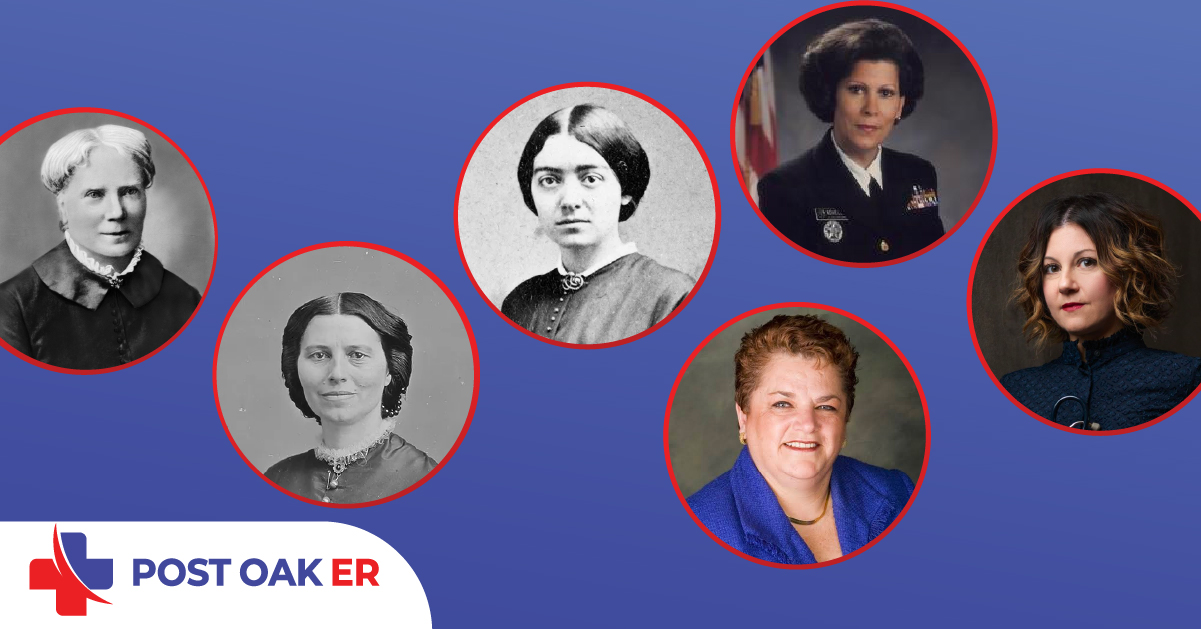
While significant milestones have been reached—including the appointment of Dr. Antonia Novello as the first female U.S. Surgeon General in 1990—the road to full equity in medicine remains under construction. Over the past few decades, the proportion of women applying to and graduating from medical schools has steadily climbed. In the early 2000s, women began to make up roughly half of all medical school applicants, and by 2018, they actually surpassed their male counterparts in both application and graduation rates. This upward trend extends across various backgrounds, with a modest but noteworthy increase among women from racial and ethnic minority groups.
Yet, increased representation in the classroom hasn’t fully translated to equal standing elsewhere. A closer look reveals that while women now constitute a large share of new graduates, they are underrepresented in residency programs, and even more so in faculty positions. As of 2018, less than half of medical residents and just over 40% of faculty members were women. Leadership roles, such as department heads, remain particularly elusive, with women accounting for less than a fifth of these senior positions.
This uneven progression is often described as the “leaky pipeline,” where aspiring women physicians exit academic medicine at multiple stages. Contributing factors include persistent gender biases, disparities in salary, experiences of harassment, and the ongoing challenge of balancing family and career demands—trends that underscore the distance left to travel on the road to true parity.
Legislative Shifts of the 1970s
The landscape of medical education for women saw significant transformation during the 1970s as a result of key legislative changes. Two particularly influential federal acts stand out:
- Title IX of the Education Amendments of 1972: This landmark legislation prohibited sex-based discrimination in any educational institution receiving federal funds. In effect, it opened doors for women to pursue medical degrees at institutions that once limited or outright denied their admission.
- Public Health Service Act Amendments of 1975: Furthering this momentum, these amendments specifically barred discrimination on the basis of sex in all government-funded health education programs, ensuring that equal opportunities extended beyond admission into active participation and training across the healthcare sector.
Together, these laws played a pivotal role in accelerating the inclusion of women in medical schools and shaping the path toward greater gender equity in healthcare professions.
World Wars and the Women’s Health Movement: Shifting the Landscape
Despite the growing acceptance of women in medical education, real momentum was hard-won. In the early decades of the 20th century, strict new standards for medical schools led many institutions that previously welcomed women to close their doors. By 1914, women made up a mere 4% of all medical students—a stark contrast to earlier progress.
The world wars, however, brought a temporary shift. As men left for military service, medical schools opened more seats to women to fill critical gaps. Even so, women’s overall representation remained modest until the tide turned in the 1970s.
The Women’s Health Movement of that era marked a pivotal point. Women took the lead in founding community clinics focused on providing health care from a woman-centered perspective. Two landmark pieces of legislation—Title IX in 1972, which banned sex-based discrimination in federally funded educational programs, and new provisions in the Public Health Service Act—opened the way for more women to enter and thrive in medical education.
These social and legal changes helped boost the number of female medical students and laid the groundwork for further progress toward equality in the field.
Documented Pioneers in Medicine
High-quality sources verify the following individuals and achievements:
- Elizabeth Blackwell: First woman to earn a medical degree from an established U.S. medical school (1849).
- Rebecca Lee Crumpler: First Black American woman to earn a medical degree in the United States. While Blackwell’s achievement marked entry for women into American medical practice, Crumpler’s story highlights both intersectional progress and persistent barriers. Graduating from New England Female Medical College in 1864, Crumpler became not only a trailblazer for women of color but also the author of A Book of Medical Discourses—the first medical text written by an African-American. Despite relentless racism, she continued to provide care to freed slaves in the South following the Civil War, demonstrating resilience in the face of adversity.
– Elizabeth Garrett Anderson: First woman to qualify as a physician and surgeon in Britain after institutional exclusion.
These pioneering figures illustrate both the breakthroughs and the enduring challenges women—particularly women of color—faced in the pursuit of medical education and practice.
Sophia Jex-Blake and the Advancement of Women’s Medical Education in Britain
Sophia Jex-Blake played a pivotal role in expanding medical education opportunities for women in Britain. In 1869, she became one of the first women to begin formal medical studies at the University of Edinburgh. Despite their initial acceptance, Jex-Blake and her female colleagues faced significant institutional resistance, culminating in the revocation of their degrees.
Her experience highlighted broader social and professional barriers. Jex-Blake herself wrote about the persistent dominance of men in the medical field, calling for equality of opportunity rather than preferential treatment.
Undeterred, she established institutions specifically for women’s medical training. In 1874, Jex-Blake founded the London School of Medicine for Women, providing formal study and a professional pathway for women excluded from existing schools. Later, in 1886, she also helped establish the Edinburgh School of Medicine for Women, further broadening access.
These efforts marked key developments in making medical education accessible to women in Britain and remain well-documented milestones in the history of women in medicine.
- Elizabeth Garrett Anderson: First woman to qualify as a physician and surgeon in Britain after institutional exclusion.
Modern Practice and Ongoing Challenges
Verified research demonstrates that:
- Women have access to medical education in most countries.
- Gender inequities persist in leadership representation and compensation.
- Research documents differences in professional experiences, including bias and burnout, among physicians.
Despite significant progress in the number of women entering the medical field, disparities remain across multiple levels of the profession. Recent statistics highlight that, while more women are graduating from medical schools, men still outnumber women in medical residency programs—54.4% of residents were male and 45.6% were female in 2018.
Faculty representation reflects similar gaps: only 41.4% of medical school faculty were women in 2018, compared to 58.6% men. Leadership positions remain particularly imbalanced, with women comprising just 18% of department heads.
This pattern of underrepresentation is often described as the “leaky pipeline,” where women exit academia and clinical advancement at various stages, including postdoctoral and residency levels. Contributing factors include persistent gender bias, the ongoing wage gap, and frequent experiences of gender harassment. Work-family conflict is also cited as a significant barrier, especially for the new generation of women physicians.
Overall, although formal barriers have largely been removed and equal rights to medical education exist in most countries, equal opportunities at every level of the medical hierarchy are still a work in progress. Women in medicine continue to demonstrate resilience and leadership, even as they navigate ongoing structural and cultural challenges.
The “Leaky Pipeline” in Academic Medicine
Verified data continue to highlight a persistent imbalance in gender representation within medical education and academic careers. While recent years have seen increasing numbers of women graduating from medical schools, this progress has not translated into proportional representation across all stages of academic medicine.
The term “Leaky Pipeline” describes the documented pattern in which women are disproportionately lost—or “leak out”—from the academic medicine pathway at key transitions, such as during residency, postdoctoral training, and advancement to faculty and leadership roles.
Evidence-based statistics reflect this trend:
- As of 2018, men still constituted a slight majority of resident physicians in the United States.
- Only about two out of five medical school faculty members are women, according to credible national datasets.
- Leadership disparities persist, with women holding a notably smaller share of department head and senior administrative positions.
Contributing factors are well-documented in the literature:
- Gender bias and workplace discrimination: These patterns affect hiring, promotion, and everyday workplace experiences.
- Compensation gap: Wage disparities remain between male and female physicians, particularly at higher academic ranks.
- Gender harassment: Research has established higher rates of reported harassment among women in medicine, especially in academic settings.
- Family-work conflict: Modern studies underscore the challenges associated with balancing clinical, academic, and personal responsibilities—an issue reported at higher rates by women across generations.
As a result, the “Leaky Pipeline” remains a central challenge to equity and representation in medicine, and is the focus of ongoing research and policy initiatives aimed at fostering a more balanced academic workforce.
When to See a Doctor
This article is historical and educational in nature.
- There are no medical symptoms, treatments, or clinical recommendations associated with this topic.
- For personal health concerns, individuals should follow standard medical guidance and consult a licensed healthcare professional.
Frequently Asked Questions
When did women become doctors?
High-quality evidence shows that women formally entered medical practice in the United States in the mid-19th century, with Elizabeth Blackwell earning her degree in 1849. Informal medical practice by women existed long before that time.
Who was the first female doctor in the United States?
Elizabeth Blackwell is documented as the first woman to graduate from an established American medical school.
Were women practicing medicine before medical schools existed?
Yes. Verified historical sources show women practiced medicine informally as healers, herbalists, and midwives before formal medical education systems were established.
Did women face barriers to medical education?
Yes. Authoritative historical evidence confirms women were excluded from universities and licensing systems for centuries.
Who are famous women doctors today?
There is no high-quality evidence supporting this as a defined or standardized list.
Are doctors blue- or white-collar workers?
There is no high-quality evidence supporting this classification within the verified sources.
When did women become doctors in large numbers?
There is no high-quality evidence supporting this specific claim using a defined threshold or timeframe.
APA Reference List
American Association of Medical Colleges. (n.d.). U.S. Physician Workforce Data Dashboard. Retrieved January 1, 2026, from https://www.aamc.org/data-reports/report/us-physician-workforce-data-dashboard
American Association of Medical Colleges. (2023, January 12). What’s your specialty? New data show the choices of America’s doctors by gender, race, and age. https://www.aamc.org/news/what-s-your-specialty-new-data-show-choices-america-s-doctors-gender-race-and-age
American Association of Medical Colleges. (2024, May 28). Women are changing the face of medicine in America. https://www.aamc.org/news/women-are-changing-face-medicine-america
Boge, L. A., Gerhart, M., & Bradle, S. (2019). The relationship between physician/nurse gender and patients’ correct identification of health care professional roles in the emergency department. Journal of Women’s Health. https://pubmed.ncbi.nlm.nih.gov/31149867/
Girgis, N. (2024). Dr. Mary Putnam Jacobi (1842–1906): The pioneer of women’s medical education. Cureus. https://pmc.ncbi.nlm.nih.gov/articles/PMC11465957/
Harer, W. B. (1989). Peseshet—The first female physician? Obstetrics & Gynecology, 74(3 Pt 1), 449–451. https://pubmed.ncbi.nlm.nih.gov/2685681/
Lyubarova, R., Itamura, R., & Itamura, K. (2023). Gender differences in physician burnout: Driving factors and potential solutions. https://pmc.ncbi.nlm.nih.gov/articles/PMC10266850/
Minkowski, W. L. (1992). Women healers of the middle ages: Selected aspects of their history. Bulletin of the New York Academy of Medicine, 68(3), 370–393. https://pmc.ncbi.nlm.nih.gov/articles/PMC1694293/
Pelley, E., & Carnes, M. (2020). When a specialty becomes “women’s work”: Trends in and implications of specialty gender segregation in medicine. Academic Medicine, 95(10), 1499–1506. https://pmc.ncbi.nlm.nih.gov/articles/PMC7541620/
Royal College of Physicians. (2018, September 28). Elizabeth Garrett Anderson: Evidence of a medical pioneer. https://history.rcp.ac.uk/blog/elizabeth-garrett-anderson-evidence-medical-pioneer
Silver, J. K., et al. (2023). Six practical strategies to mentor and sponsor women in academic medicine. https://pmc.ncbi.nlm.nih.gov/articles/PMC10251227/
Tsugawa, Y., et al. (2017). Comparison of hospital mortality and readmission rates for Medicare patients treated by male vs female physicians. JAMA Internal Medicine, 177(2), 206–213. https://pmc.ncbi.nlm.nih.gov/articles/PMC5558155/
Whaley, C. M., et al. (2021). Female physicians earn an estimated $2 million less than male physicians over a simulated 40-year career. Health Affairs, 40(12), 1856–1864. https://doi.org/10.1377/hlthaff.2021.00461