

Overview
Choosing where to seek medical care can affect how quickly you are seen and what services are available. The differences between an emergency room (ER), urgent care, and a hospital are based on the severity of medical conditions, the resources available, and how care is delivered.
All information below reflects only high-quality, verified medical evidence.
Emergency Room
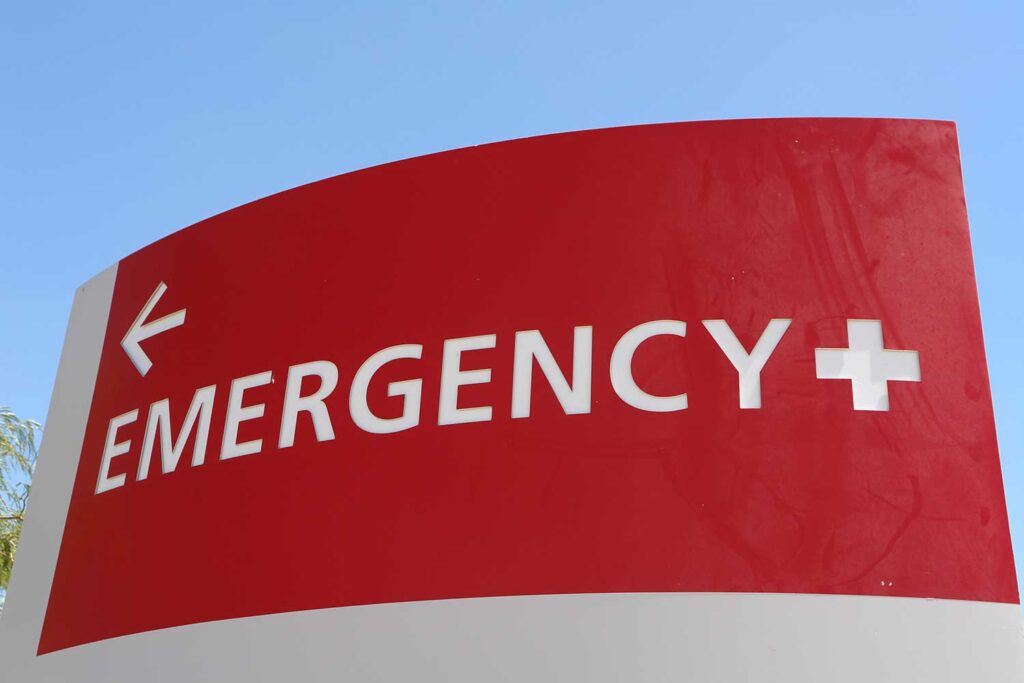
An emergency room—also called an emergency department—is designed to evaluate and treat serious or potentially life-threatening conditions.
characteristics:
- Open 24 hours a day, 7 days a week
- Provides rapid evaluation, stabilization, and advanced diagnostic testing
- Staffed by clinicians trained in emergency medicine
- Uses triage, meaning patients with the most severe conditions are treated first, regardless of arrival time
Emergency rooms are equipped to handle critical health crises that require immediate medical intervention. They utilize advanced diagnostic tools—including imaging, laboratory tests, and access to medical specialists—to quickly assess and manage severe symptoms. Life-saving treatments are available for emergencies such as heart attacks, strokes, severe trauma, or difficulty breathing. In addition to immediate care, the ER can provide extended observation, hospital admission, and emergency surgeries if needed, ensuring that patients receive comprehensive treatment when seconds matter most.
Urgent Care
Urgent care centers treat non-life-threatening illnesses and injuries that still require prompt medical attention.
Verified characteristics:
- Extended hours, often including evenings and weekends
- Treats common acute illnesses and minor injuries
- Offers basic diagnostic services, which may vary by location
- Not intended for severe symptoms or medical emergencies
- May refer patients to an ER if a condition is more serious than expected

What a Hospital Is (and How the ER Fits In)
A hospital is a healthcare facility that may provide a broad range of services.
High-quality evidence consistently supports the following:
- Many hospitals include an emergency room
- The ER functions as a department within the hospital system focused on emergency care
Other commonly stated descriptions of hospital services vary by facility and are not uniformly supported by high-quality evidence.
Key Differences
|
Care Setting |
Primary Purpose |
Availability |
Level of Care |
|
Emergency Room (ER) |
Life-threatening or severe conditions |
24/7 |
Immediate, advanced medical care |
|
Urgent Care |
Non-life-threatening but time-sensitive issues |
Extended hours |
Basic diagnostics and treatment |
|
Hospital |
Broad healthcare system |
Varies by service |
Includes ER and other departments |
Why Choosing the Right Setting Matters
Verified evidence shows that:
- ERs prioritize patients by severity, so non-emergency conditions may involve longer wait times
- Using urgent care for appropriate conditions allows ERs to focus on true emergencies
- Patients with less severe conditions may receive faster care outside the ER
Selecting the right place for medical care does more than streamline your experience—it can also save valuable time and money. Urgent care centers are designed for non-life-threatening illnesses and injuries, offering a practical alternative to the ER when immediate, advanced intervention isn’t necessary. Because urgent care treats less severe conditions, patients are often seen more quickly and typically pay lower fees than they would at an emergency room.
Insurance co-pays and out-of-pocket expenses are generally much higher for ER visits due to the specialized resources and staff required for emergency care. In contrast, urgent care centers often have extended evening and weekend hours, making them accessible when primary care offices are closed—without the high costs or long waits associated with emergency departments.
By understanding these distinctions and choosing the setting that matches the seriousness of your condition, you help ensure that you—and other patients—receive the most appropriate and efficient care possible.
Why It’s Important to Know Your Local Options
Familiarity with the location and hours of nearby emergency rooms and urgent care clinics helps you respond quickly during unexpected medical situations. Prompt action—especially for families with young children, elderly members, or anyone with chronic health issues—can make a significant difference in outcomes.
Here’s how being informed helps:
- Quicker access: Already knowing where to go means less time spent searching during a stressful situation.
- Informed decisions: Understanding when each facility is open can steer you to the most appropriate care rather than risking unnecessary delays.
- Effective planning: If you know, for example, that your urgent care closes at 8 p.m., you may choose the ER for after-hours problems rather than waiting too long for care.
- Preparation for common needs: Households with young kids or chronic conditions benefit from keeping a list of facilities (including addresses and phone numbers) accessible—apps or simple lists can be lifesavers.
Verifying these details ahead of time, much like you would for fire exits or emergency contacts, ensures you’re not left scrambling in a crisis.
How to Prepare for Medical Emergencies
Planning ahead makes it easier to reach the right care quickly—especially when seconds count.
Practical steps to be ready:
- Identify your nearest emergency rooms and urgent care centers. Store their addresses and driving directions in your phone or display them in an easily accessible place at home.
- Know when to call for advice. Keeping the contact information for your primary care provider and nurse advice hotlines can help you decide the most appropriate place to go, especially if the severity of symptoms is unclear.
- Understand each facility’s hours and services. Some urgent care centers may have limited imaging, laboratory, or pediatric capabilities. Take a moment to confirm their availability for your household’s likely needs.
- Prepare medical information in advance. Carry a list of medications, allergies, and chronic conditions—this helps clinicians provide faster, safer care, and is especially important for children, older adults, or anyone with ongoing health problems.
- Have insurance and ID available. Keeping these documents ready avoids delays when time is critical.
By taking these small, proactive steps, you can help ensure prompt, appropriate care when an unexpected medical situation arises.
When to Seek Medical Care
Go to the ER immediately for:
- Severe or sudden symptoms
- Difficulty breathing
- Loss of consciousness
- Serious injury or trauma
- Symptoms that are rapidly worsening
If you are unsure whether symptoms are severe, seeking emergency care is considered the safer option.
Consider urgent care when:
- The condition is not life-threatening
- Medical evaluation is needed promptly
- The issue cannot wait for a routine primary care appointment
Urgent care centers may redirect patients to an ER if a condition is more serious than expected.
Who to Contact If You’re Unsure
If you’re not certain whether your symptoms require urgent care or an ER visit, high-quality medical sources recommend reaching out for professional advice. You can:
- Call your primary care provider for guidance
- Contact a nurse advice line, such as those provided by your insurance plan or local health systems
- Utilize 24/7 nurse hotlines, such as the Mayo Clinic Nurse Line or similar services
Getting expert input can help you determine the safest and most appropriate setting for your care.
Primary Care vs Urgent Care vs ER
Verified evidence indicates:
- Primary care focuses on routine health concerns, preventive care, and long-term management
- Urgent care addresses immediate, short-term medical needs
- ERs handle emergencies and critical conditions
Primary care offers continuity of care that urgent care centers and ERs do not typically provide.
Freestanding ER vs Hospital-Based ER
Evidence supports the following distinctions:
- Freestanding ERs operate separately from a hospital campus but provide emergency care
- Hospital-based ERs are connected to inpatient hospital services
- Freestanding ERs may transfer patients if hospital admission is required
- Capabilities and processes vary by location
Frequently Asked Questions
What is an ER?
An ER is a medical facility that treats serious or life-threatening conditions and is open 24/7.
What is the ER in a hospital?
The ER is a department within a hospital dedicated to emergency evaluation and treatment.
Is urgent care and the emergency room the same?
No. Urgent care treats non-life-threatening conditions, while ERs treat medical emergencies.
What is the difference between urgent care and the ER?
The difference is primarily the severity of conditions treated and the level of medical resources available.
Are hospitals open 24/7?
There is no high-quality evidence supporting this as a universal rule. While ERs operate 24/7, other hospital services may have limited hours.
Should I go to urgent care or the ER?
If symptoms are severe or potentially life-threatening, go to the ER. For less serious but time-sensitive issues, urgent care may be appropriate.
APA References List
Agency for Healthcare Research and Quality. (n.d.). Prevention and chronic care. https://www.ahrq.gov/prevention/chronic-care/index.html
American College of Emergency Physicians. (2015, November 2). Freestanding emergency departments and urgent care centers (Information paper) [PDF]. https://www.acep.org/siteassets/uploads/uploaded-files/acep/clinical-and-practice-management/resources/administration/fsed-and-ucs_info-paper_final_110215.pdf
Centers for Disease Control and Prevention. (n.d.). FastStats: Emergency department visits. https://www.cdc.gov/nchs/fastats/emergency-department.htm
Centers for Medicare & Medicaid Services. (2017, September 6). SC17-44: “Primarily engaged” guidance [PDF]. https://www.cms.gov/Medicare/Provider-Enrollment-and-Certification/SurveyCertificationGenInfo/Downloads/Survey-and-Cert-Letter-17-44.pdf
Children’s Hospital Colorado. (n.d.). Urgent care vs. emergency room: How to choose. https://www.childrenscolorado.org/urgent-care-emergency/urgent-vs-emergency-care/
Colleton Medical Center (HCA Healthcare). (2025, March 6). Deciding between the emergency room (ER) and urgent care. https://www.hcahealthcarecolleton.com/healthy-living/blog/deciding-between-the-emergency-room-er-and-urgent-care-colleton-medical
HCA Florida Healthcare. (2025, June 5). What you should know about freestanding emergency rooms. https://www.hcafloridahealthcare.com/healthy-living/blog/what-you-should-know-about-freestanding-emergency-rooms-2023
MedlinePlus. (2023, July 8). Choosing a primary care provider. National Library of Medicine. https://medlineplus.gov/ency/article/001939.htm
MedlinePlus. (2024, September 4). When to use the emergency room – adult. National Library of Medicine. https://medlineplus.gov/ency/patientinstructions/000593.htm
MedlinePlus. (2025, January 8). Recognizing medical emergencies. National Library of Medicine. https://medlineplus.gov/ency/article/001927.htm
MedlinePlus. (n.d.). Types of health care providers. National Library of Medicine. https://medlineplus.gov/ency/article/001933.htm
MedPAC. (2017, June). Stand-alone emergency departments (Chapter 8) [PDF]. https://www.medpac.gov/wp-content/uploads/import_data/scrape_files/docs/default-source/reports/jun17_ch8.pdf
North Carolina Medical Board. (n.d.). Urgent care vs. ERs (Smart Patient Toolkit). https://www.ncmedboard.org/resources-information/consumer-resources/smart-patient-toolkit/urgent-care-vs-ers
UChicago Medicine. (2023, December 1). Urgent care vs emergency room: What’s the difference? https://www.uchicagomedicine.org/forefront/health-and-wellness-articles/2023/december/when-to-go-to-the-emergency-room-vs-an-urgent-care-clinic
Yancey, C. C., & Thornton, L. (2023). Emergency department triage. In StatPearls [NCBI Bookshelf]. National Center for Biotechnology Information. https://www.ncbi.nlm.nih.gov/books/NBK557583/