
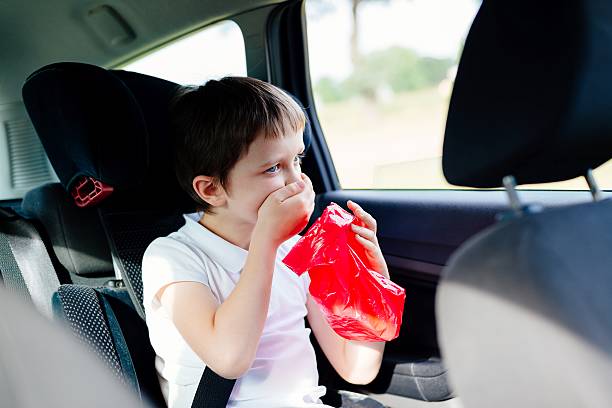
Overview
Vomiting in children is a frequent health concern and is most commonly linked to viral gastroenteritis (often called the “stomach flu”). In many cases, vomiting is short-lived and can be managed at home. However, vomiting can lead to dehydration and, in certain situations, may signal a condition that requires medical care.
What Is Vomiting?
Vomiting is the forceful expulsion of stomach contents through the mouth.
It differs from spitting up, which is a gentle flow of stomach contents that is common in healthy infants and usually not a sign of illness.
Vomiting may occur alone or alongside other symptoms such as diarrhea or fever. Medical evaluation is recommended when vomiting is severe, persistent, or accompanied by warning signs.
Gastro-Oesophageal Reflux in Babies
Gastro-oesophageal reflux occurs when stomach contents flow back up into the esophagus. In infants, this is often due to an immature valve between the stomach and esophagus. As a result, milk or formula can come back up after feeding. This can lead to episodes of spitting up or mild vomiting. While reflux is very common in young babies and usually resolves as they grow, persistent or forceful vomiting may signal a more serious issue and should be discussed with a healthcare provider.
Common Causes
Based on high-quality medical sources:
- Viral gastroenteritis is the most common cause of vomiting in children.
- Vomiting can also occur with other illnesses, some of which may be serious, as reflected by established medical criteria for urgent evaluation.
Other causes of vomiting in children include:
- Food allergies – These may also cause a raised, red, itchy skin rash (urticaria) and swelling of the face, eyes, lips, tongue, or roof of the mouth.
- Other infections – Vomiting can sometimes accompany infections outside the gut, such as urinary tract infections (UTIs), middle ear infections, pneumonia, or, more rarely, meningitis.
Identifying the underlying cause is important, especially if vomiting is severe, persistent, or associated with additional symptoms such as rash, lethargy, or difficulty breathing.
Less Common Causes: Intussusception
Intussusception is a rare but serious condition where a section of the intestine slides into a neighboring part, much like how sections of a telescope collapse into each other. This can lead to blockage and reduced blood flow to the intestines.
Along with vomiting, babies with intussusception may appear unusually pale or limp. Signs may also include symptoms of dehydration, such as fewer wet diapers and listlessness. If you notice these symptoms, seek medical care promptly.
Strangulated Hernia: A Rare but Serious Cause
Among the less common—yet urgent—causes of vomiting in infants is a strangulated hernia. This occurs when a section of the intestine becomes trapped in a hernia (an abnormal bulge of tissue) and its blood supply is cut off. The result is intense pain and frequent vomiting.
A baby with a strangulated hernia may also appear extremely distressed, crying persistently or showing signs of discomfort that aren’t easily soothed. This situation requires immediate medical attention, as prompt treatment is crucial to prevent complications.
Other serious conditions, though rare, may also be to blame when vomiting is sudden and severe, or associated with significant pain or distress. If you suspect something more than a routine stomach bug, it’s best to seek medical care quickly.
Signs of Food Allergies That May Accompany Vomiting
Vomiting in children can sometimes be a sign of a food allergy. Alongside vomiting, watch for other symptoms that may suggest an allergic reaction, such as:
- Raised, red, and itchy skin rashes (also known as hives or urticaria)
- Puffiness or swelling, especially around the face, eyes, lips, tongue, or roof of the mouth
These symptoms may occur soon after eating a particular food. If your child develops difficulty breathing, swelling of the face or throat, or becomes unusually drowsy, seek emergency medical care immediately. Prompt recognition and treatment of allergic reactions can be critical to your child’s safety.
Vomiting by Age Group
Infants
- Spitting up is common and usually not concerning.
- Projectile or very forceful vomiting requires medical evaluation.
Congenital Pyloric Stenosis: What Parents Should Know
Congenital pyloric stenosis is a condition seen in babies where the passage between the stomach and the small intestine (the pylorus) becomes abnormally narrow. Because of this narrowing, food cannot move from the stomach into the intestine as it should.
As a result, affected infants often develop projectile vomiting—meaning the vomit comes out with noticeable force. Unlike gentle spitting up, this forceful vomiting typically happens soon after feeding and can occur repeatedly. If you notice this pattern in your baby, or if your baby struggles to keep any feedings down, it’s important to seek medical attention promptly, as the condition may require surgical treatment to correct the blockage.
- Vomiting accompanied by signs of dehydration (such as very few wet diapers or unusual sleepiness) requires prompt medical care.
Should I Continue Feeding My Baby if They Are Vomiting?
Yes—continuing to breastfeed or offer formula is usually recommended, even if your baby is vomiting. Small, frequent feeds can help keep them hydrated and provide essential nourishment. If your baby is able to keep fluids down, feeding should not be interrupted.
However, if you notice signs of dehydration (such as fewer wet diapers or unusual drowsiness), or if vomiting is severe and persistent, seek medical care promptly. Always consult your pediatrician if you are concerned about your baby’s ability to feed or stay hydrated.
Feeding and Bottle Teat Size
- If the hole in a bottle teat is too large, milk can flow too quickly, causing your baby to swallow more than they can comfortably manage at once.
- This rapid flow may lead to excessive swallowing of milk—and even air—making vomiting more likely, especially in sensitive infants.
- Choosing a bottle teat with an age-appropriate flow rate can help reduce episodes of forceful vomiting after feeds.
Toddlers and Older Children
- Vomiting is most often related to viral infection.
- Monitoring hydration status and symptom duration is emphasized rather than age alone.
How Long Vomiting Lasts
Vomiting duration varies, but medical guidance supports evaluation when vomiting exceeds age-specific thresholds:
| Age group | Seek medical care if vomiting lasts longer than |
| Infants | 12 hours |
| Young children | 24 hours |
| Older children | 48 hours |
Vomiting that worsens or happens more often should also be medically evaluated.
Signs of Dehydration
Vomiting can lead to loss of fluids and electrolytes. Evidence-supported signs include:
- Decreased urination or fewer wet diapers
- Dry mouth or lips
- Crying without tears
- Sunken eyes or cheeks
- Unusual sleepiness or irritability
Children showing signs of dehydration should be assessed by a healthcare professional.
When to See a Doctor or Seek Emergency Care
Seek urgent medical care if vomiting occurs with any of the following:
- Projectile or very forceful vomiting (especially in infants)
- Blood or greenish material in vomit
- Severe abdominal pain
- Severe headache or stiff neck
- Signs of dehydration
- Lethargy or difficulty waking
- Vomiting lasting longer than age-specific limits
- Vomiting after a head injury
Treatment Overview
Evidence-based management includes:
- Oral rehydration using small, frequent sips of fluid
- Gradual return to food after vomiting improves, starting with bland foods
- Avoiding medications for vomiting unless specifically advised by a healthcare professional
Home Care for Mild Vomiting
For children with mild symptoms:
- Offer small amounts of clear fluids often
- Gradually reintroduce bland foods once vomiting decreases
- Avoid sugary drinks and greasy foods
- Monitor hydration and overall alertness
If fluids cannot be kept down or vomiting continues, medical care is recommended. Speak to your GP or pharmacist if you’re concerned about dehydration. They may recommend an oral rehydration solution for your child. If your child is unable to hold down oral rehydration solution, contact your GP practice for further advice.
Prevention
Some causes of vomiting, especially viral illness, may be reduced by:
- Regular handwashing
- Avoiding close contact with individuals who have a stomach virus
- Following infection-prevention hygiene practices
Frequently Asked Questions
Is vomiting in children contagious?
Vomiting caused by viral gastroenteritis can spread from person to person. Hygiene measures are recommended.
Can my child sleep after vomiting?
General guidance focuses on age-appropriate safe sleep positioning and monitoring if vomiting continues.
What should my child eat after vomiting?
Bland foods such as crackers, rice, toast, or cereal are commonly recommended once vomiting has stopped for several hours.
When can my child return to school?
There is no high-quality evidence defining a specific return-to-school timeframe beyond ensuring vomiting has stopped and fluids and food are tolerated.
Should I stop giving fluids if my child keeps vomiting?
No. Small, frequent sips of fluid are recommended to help prevent dehydration unless a healthcare professional advises otherwise.
Can dehydration cause vomiting?
There is no high-quality evidence supporting dehydration as a primary cause of vomiting. Dehydration is more commonly a result of vomiting.
How long does vomiting from a virus last?
High-quality evidence indicates viral vomiting often lasts a couple of days.
Does vomiting always mean something serious?
No. Vomiting is commonly caused by viral illness, but specific warning signs indicate the need for medical evaluation.
APA Reference List
Healthdirect Australia. (2024, February). Vomiting in children – treatments, self-care and causes. https://www.healthdirect.gov.au/vomiting-in-children
Mayo Foundation for Medical Education and Research. (n.d.). Nausea or vomiting in children (Symptom Checker): When to seek medical advice. Mayo Clinic. https://www.mayoclinic.org/symptom-checker/nausea-or-vomiting-in-children-child/related-factors/itt-20009075
MedlinePlus. (2017, July 6). Intestinal obstruction. U.S. National Library of Medicine. https://medlineplus.gov/intestinalobstruction.html
MedlinePlus Medical Encyclopedia. (2025, January 1). Ear infection – acute. U.S. National Library of Medicine. https://medlineplus.gov/ency/article/000638.htm
MedlinePlus Medical Encyclopedia. (2025, April 21). Appendicitis. U.S. National Library of Medicine. https://medlineplus.gov/ency/article/000256.htm
MedlinePlus. (2025, August 16). Reflux in children. U.S. National Library of Medicine. https://medlineplus.gov/refluxinchildren.html
National Institute of Diabetes and Digestive and Kidney Diseases. (2021, July). Appendicitis. https://www.niddk.nih.gov/health-information/digestive-diseases/appendicitis
Nationwide Children’s Hospital. (n.d.). Vomiting: Treatment and hydration. https://www.nationwidechildrens.org/conditions/vomiting
Seattle Children’s Hospital. (n.d.). Vomiting without diarrhea. https://www.seattlechildrens.org/conditions/a-z/vomiting-without-diarrhea/
HealthyChildren.org. (2025, February 24). Treating vomiting: What to do when your child is throwing up. American Academy of Pediatrics. https://www.healthychildren.org/English/health-issues/conditions/abdominal/Pages/treating-vomiting.aspx