

Key Takeaways
- Cauliflower is a cruciferous vegetable that is low in calories and carbohydrates while providing fiber, vitamins, and minerals.
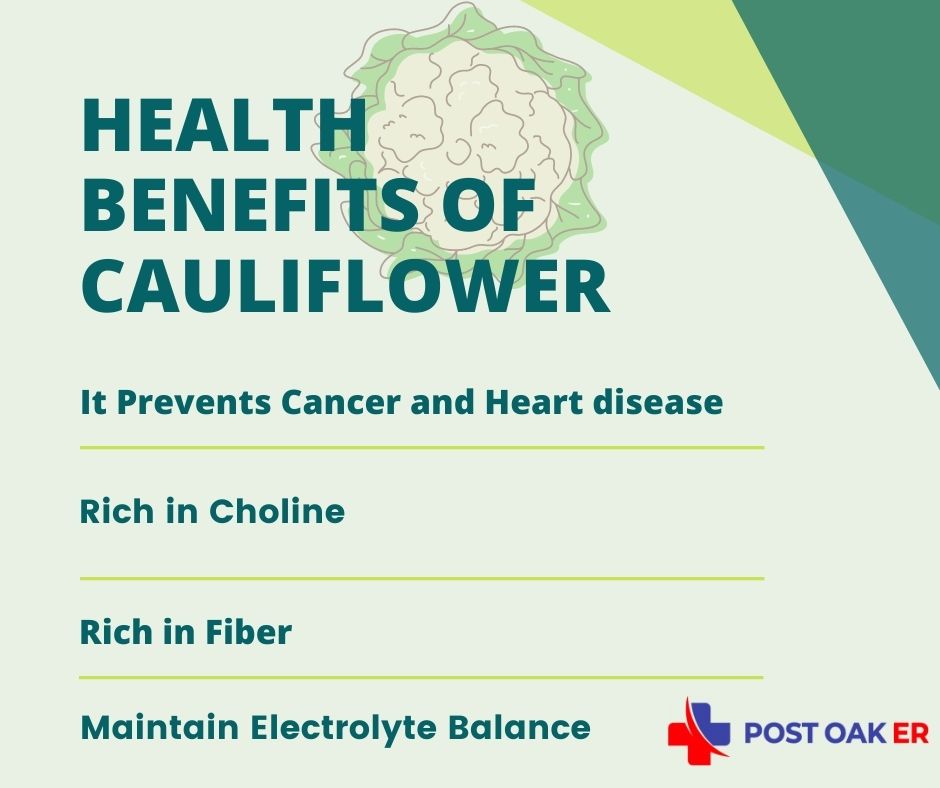
- It contributes to digestive, immune, heart, liver, and nervous system health when consumed as part of a balanced diet.
- Cauliflower is commonly used as a low-carbohydrate substitute for higher-carbohydrate foods.
- Some individuals may experience gas or bloating, particularly with raw intake.
- Cooking methods affect digestibility and nutrient retention.
Overview
Cauliflower is a cruciferous vegetable that belongs to the Brassica oleracea species, the same botanical family as broccoli, cabbage, kale, and Brussels sprouts. It is widely consumed in many forms and is recognized by major medical and public health organizations as a nutrient-dense food that is low in calories and carbohydrates while providing essential vitamins, minerals, fiber, and bioactive plant compounds.
Based on verified evidence from authoritative medical and nutrition sources, cauliflower can contribute to several aspects of human health when eaten as part of a balanced diet.
Glucosinolates, Isothiocyanates, and Cancer Risk
Cauliflower stands out among vegetables for its high content of compounds called glucosinolates and isothiocyanates. These naturally occurring plant chemicals are known for their antioxidant properties. Glucosinolates are sulfur-containing compounds found in cruciferous vegetables, and when cauliflower is chopped or chewed, these compounds are broken down into biologically active molecules such as isothiocyanates.
Laboratory studies have shown that isothiocyanates can help neutralize harmful substances and may slow the growth of certain cancer cells in controlled experiments. Specifically, these compounds have been studied for their potential to reduce oxidative stress and support cellular health. However, while the data from bench science is promising, researchers are still investigating whether regularly consuming glucosinolate- and isothiocyanate-rich foods like cauliflower translates into reduced cancer risk for humans. Human studies are ongoing and currently suggest a possible protective effect, but more evidence is needed to determine their impact with certainty.
What Is Cauliflower?
Cauliflower is a flowering plant in which the edible portion consists of tightly packed, undeveloped flower buds, commonly referred to as florets or curds. While white cauliflower is the most common variety, green, purple, and orange varieties also exist. These varieties are nutritionally similar, although some differences in specific nutrient or antioxidant content have been reported.
Nutritional Profile
A typical one-cup serving of raw cauliflower is:
- Low in calories
- Low in carbohydrates
- A source of dietary fiber
To put this in perspective, one cup (about 107 grams) of raw cauliflower contains approximately:
- Calories: 27
- Fiber: 2 grams
This combination makes cauliflower an easy addition to a balanced diet, especially for those seeking a nutrient-dense, lower-calorie food.
It also provides measurable amounts of:
- Vitamin C
- Vitamin K
- Folate (vitamin B9)
- Choline
- Potassium, magnesium, and other micronutrients
Nutrient values vary depending on serving size and preparation method, such as whether the cauliflower is eaten raw, steamed, or boiled.
Antioxidant Compounds: Carotenoids and Flavonoids
Cauliflower provides more than just vitamins and minerals—it also contains antioxidants such as carotenoids and flavonoids. These plant compounds serve several important functions in the body:
- Carotenoids: Naturally occurring pigments found in cauliflower that act as antioxidants. Carotenoids may help reduce the risk of certain cancers and support heart health by protecting cells from damage.
- Flavonoids: Another class of antioxidants present in cauliflower, flavonoids have been associated with anti-inflammatory and potential anticancer properties. Studies suggest they may contribute to a lower risk of cardiovascular disease.
Together, these antioxidants help neutralize potentially harmful free radicals in the body, contributing to overall health and disease prevention when included as part of a balanced diet.
Verified Health Benefits
Digestive Health
Cauliflower contains dietary fiber, which supports normal bowel function and contributes to digestive health. Fiber intake is also associated with maintaining a healthy gut environment.
A typical one-cup serving of raw cauliflower provides about 2 grams of fiber—roughly 7% of the recommended daily value for adults. This fiber helps feed beneficial bacteria in the gut, assists in reducing inflammation, and plays a role in promoting overall digestive well-being.
Regular fiber consumption from foods like cauliflower may help lower the risk of developing digestive conditions such as
- Constipation
- Diverticulitis
- Inflammatory bowel disease (IBD)
Some individuals may experience gas or bloating, particularly when cauliflower is eaten raw, due to its fiber content and naturally occurring sulfur-containing compounds.
Immune Function
Cauliflower is a source of vitamin C, a nutrient known to support immune cell function and normal immune responses. Vitamin C also acts as an antioxidant, helping protect cells from oxidative stress.
In addition to its role in immunity, vitamin C is recognized for its anti-inflammatory properties, which may contribute to reducing risk factors for heart disease and certain cancers. Regular intake of vitamin C from foods like cauliflower has been associated with a lower risk of several cancer types, including:
- Bladder cancer
- Breast, cervical, and endometrial cancers
- Esophageal cancer
- Gastric (stomach) cancer
- Glioma
- Lung cancer
- Pancreatic cancer
- Prostate cancer
- Renal cell (kidney) cancer
These potential benefits are most pronounced as part of a varied, nutrient-rich diet and should not be viewed as guarantees of disease prevention.
Heart Health
Evidence from authoritative sources indicates that:
- Dietary fiber may help support healthy cholesterol levels.
- Certain plant compounds found in cauliflower, including sulforaphane, are associated with cardiovascular health through mechanisms related to inflammation and blood pressure regulation.
Cauliflower contains glucoraphanin, which is converted to sulforaphane when the vegetable is chopped or chewed. Sulforaphane is an antioxidant studied for its potential to inhibit enzymes involved in cancer and tumor growth. In addition to its possible role in cancer suppression, current research suggests that sulforaphane may help reduce high blood pressure and support arterial health—both important factors in the prevention of heart disease.
Some animal studies further indicate that sulforaphane could help prevent diabetes and reduce the risk of diabetes-related complications, including kidney disease. While more research is necessary to clarify the extent of these effects in humans, the potential health benefits of sulforaphane are promising.
These effects are part of broader dietary patterns rather than guarantees of disease prevention.
Pregnancy and Cell Growth
Cauliflower provides folate, a B vitamin essential for DNA synthesis and cell division. Adequate folate intake is especially important during pregnancy to support normal fetal development, including the brain and spinal cord.
Liver and Brain Health
Cauliflower contains choline, a nutrient involved in:
- Normal liver function and fat metabolism
- Memory and nervous system signaling
Multiple health authorities note that many individuals do not consume adequate amounts of choline from their diet. Recent research also suggests a connection between higher choline intake and a lower risk of liver disease and dementia. While more studies are needed to clarify these effects, ensuring sufficient choline intake remains important for maintaining both liver and brain health.
Weight Management and Blood Sugar Considerations
Cauliflower is low in calories and contains fiber, which can promote feelings of fullness. These characteristics make it a common food choice in calorie-controlled eating patterns.
Its low carbohydrate content means it has a relatively small effect on blood sugar compared with higher-carbohydrate foods. Evidence supports its use in general healthy eating patterns; however, specific therapeutic effects for diabetes management should be considered within individualized medical care.
Role of Water Content in Weight Management
Cauliflower is notably high in water, with approximately 92% of its weight coming from water content. Foods with a high water content can contribute to a sense of fullness without adding significant calories, helping individuals feel satisfied with smaller portions. Incorporating water-rich vegetables like cauliflower into meals may support calorie control by displacing higher-calorie foods, making it easier to manage overall energy intake.
Additionally, evidence suggests that diets abundant in water-dense produce are linked to improved satiety and may aid in weight management efforts. The combination of dietary fiber and substantial water content enables cauliflower to promote fullness, which may reduce the likelihood of overeating during the day.
Cauliflower as a Low-Carbohydrate Substitute
Cauliflower is widely used as a substitute for higher-carbohydrate foods. Verified examples include:
- Cauliflower rice instead of white or brown rice
- Mashed cauliflower instead of mashed potatoes
- Cauliflower-based pizza crusts and similar grain alternatives
These substitutions can significantly reduce calorie and carbohydrate intake while increasing vegetable consumption.
Beyond its use as a low-carb swap, cauliflower’s versatility makes it easy to incorporate into a variety of meals. It can be enjoyed raw—simply break into florets for a crunchy snack or pair with hummus and other vegetable dips. Cooked options are equally diverse: steam, roast, or sauté cauliflower for a quick side dish, or add it to soups, salads, stir-fries, and casseroles.
Cauliflower’s mild flavor and adaptable texture lend themselves well to both savory and creative preparations, making it a practical and accessible choice for most eating patterns. It is widely available year-round and tends to be budget-friendly at most grocery stores.
Raw vs. Cooked Cauliflower
- Raw cauliflower retains slightly more vitamin C and some antioxidants.In addition to vitamin C, cauliflower is a source of several key antioxidant compounds, including glucosinolates, isothiocyanates, carotenoids, and flavonoids. These antioxidants help protect cells from oxidative stress and inflammation, with research suggesting potential roles in supporting immune health and reducing the risk of certain cancers and cardiovascular disease.
- Glucosinolates and isothiocyanates: Found in higher amounts in raw cruciferous vegetables, these compounds have been studied for their ability to slow the growth of cancer cells in laboratory settings.
- Carotenoids and flavonoids: These plant pigments offer additional antioxidant protection and may contribute to a lower risk of chronic illnesses such as heart disease.
- Vitamin C: Well-known for its immune-supporting and anti-inflammatory properties, vitamin C in cauliflower may play a role in protecting against certain cancers, including those of the bladder, breast, lung, and prostate, among others.
While cooking can reduce the content of some of these antioxidants—especially water-soluble vitamin C—both raw and cooked cauliflower remain nutritious choices.
- Cooked cauliflower is often easier to digest and may be less likely to cause gas or bloating for some individuals.
Steaming is commonly recommended because it preserves many nutrients while improving digestibility. Boiling can reduce water-soluble vitamins such as vitamin C.
Possible Downsides and Safety Considerations
- Gas and bloating: Common with cruciferous vegetables due to fiber and sulfur compounds.
- Thyroid considerations: Raw cruciferous vegetables contain goitrogens, which may interfere with thyroid function when consumed in very large amounts. Cooking reduces this effect. If you enjoy these vegetables, know that preparing them by steaming, boiling, or stir-frying can significantly lower their goitrogen content. Additionally, varying your diet and ensuring adequate intake of iodine and selenium—two minerals important for thyroid health—can help minimize any potential impact from goitrogens. For most people, moderate consumption of both raw and cooked cruciferous vegetables isn’t a problem, but those with thyroid concerns may want to be mindful of portion sizes and preparation methods.
- Food allergy: Allergic reactions to cauliflower are rare but have been documented.
Overall, cauliflower is considered safe for the general population when eaten in typical dietary amounts.
When to See a Doctor
Consider consulting a healthcare professional if:
- You experience persistent digestive discomfort after eating cauliflower.
- You have a known thyroid condition and are concerned about consuming large amounts of cruciferous vegetables.
- You develop symptoms of a food allergy, such as hives, digestive distress, or breathing difficulties.
Seek emergency medical care for signs of a severe allergic reaction, including swelling of the face or throat or difficulty breathing.
Frequently Asked Questions
Is cauliflower healthy?
Yes. Based on high-quality evidence, cauliflower is considered a healthy food due to its nutrient density, fiber content, and contribution of essential vitamins and minerals.
Does cauliflower cause gas?
It can. Gas and bloating have been reported, particularly when cauliflower is eaten raw, due to its fiber and sulfur-containing compounds.
Is cauliflower keto-friendly?
Cauliflower is low in carbohydrates and is commonly used in low-carbohydrate and ketogenic eating patterns.
Is cauliflower good for people with diabetes?
Cauliflower’s low carbohydrate content makes it a suitable vegetable option for many people with diabetes. Individual responses vary, and dietary choices should be discussed with a healthcare professional.
How much cauliflower can you eat per day?
There is no fixed daily limit established by high-quality evidence. Moderation and dietary variety are generally recommended.
Is cauliflower bad for your thyroid?
Large amounts of raw cauliflower may affect thyroid function due to goitrogens. Cooking reduces this effect. There is no high-quality evidence that typical dietary amounts cause harm in healthy individuals.
Is cauliflower rice healthier than white rice?
Cauliflower rice is lower in calories and carbohydrates than white rice and provides more fiber per calorie. Whether it is “healthier” depends on individual nutritional needs and goals.
Does cauliflower help with weight loss?
Cauliflower is low in calories and contains fiber, which may support fullness. It can be part of a weight-management diet, but no single food guarantees weight loss.
APA Reference List
Centers for Disease Control and Prevention. (2025, May 20). About folic acid. https://www.cdc.gov/folic-acid/about/index.html
Cleveland Clinic. (2025, July 15). Cauliflower: Benefits and why it’s healthy. https://health.clevelandclinic.org/cauliflower-benefits
Harvard Health Publishing. (2018, October 1). Vegetable of the month: Cauliflower. https://www.health.harvard.edu/heart-health/vegetable-of-the-month-cauliflower
Healthline. (2023, April 11). The top 8 health benefits of cauliflower. https://www.healthline.com/nutrition/benefits-of-cauliflower
Mayo Clinic Health System. (2023, February 17). Cauliflower: A versatile veggie. https://www.mayoclinichealthsystem.org/hometown-health/speaking-of-health/cauliflower-the-new-nutrition-superstar
National Cancer Institute. (2012, June 7). Cruciferous vegetables and cancer prevention. https://www.cancer.gov/about-cancer/causes-prevention/risk/diet/cruciferous-vegetables-fact-sheet
National Institutes of Health, Office of Dietary Supplements. (2022, June 2). Choline: Fact sheet for health professionals. https://ods.od.nih.gov/factsheets/Choline-HealthProfessional/
National Institutes of Health, Office of Dietary Supplements. (2022, November 30). Folate: Fact sheet for health professionals. https://ods.od.nih.gov/factsheets/Folate-HealthProfessional/
National Institutes of Health, Office of Dietary Supplements. (2025, July 31). Vitamin C: Fact sheet for health professionals. https://ods.od.nih.gov/factsheets/VitaminC-HealthProfessional/
U.S. Food and Drug Administration. (2024, March 5). Daily value on the Nutrition and Supplement Facts labels. https://www.fda.gov/food/nutrition-facts-label/daily-value-nutrition-and-supplement-facts-labels