

Quick Answer
Bacterial diseases are illnesses caused by harmful bacteria entering the body, multiplying, and damaging tissues or releasing toxins. These infections affect nearly every body system—including the skin, respiratory tract, digestive system, urinary tract, eyes, nervous system, and bloodstream. Symptoms vary widely, ranging from mild discomfort to life-threatening emergencies such as meningitis or sepsis. Early evaluation ensures proper diagnosis and effective treatment.
What Is Bacteria?
Bacteria are single-celled, living microorganisms found everywhere—from deep within the soil to the surfaces in your kitchen, and even inside your own body. While they may be invisible to the naked eye, bacteria outnumber human cells by a wide margin.
The majority of these microscopic creatures are harmless, and many play beneficial roles. For example, the “good” bacteria living in your gut help break down food and support your immune defenses. Bacteria on your skin act as microscopic bodyguards, keeping harmful invaders in check.
It’s only when certain bacteria end up where they shouldn’t—such as entering a wound or colonizing body systems—that they can trigger disease. So, bacteria are not just agents of infection; they’re also vital allies in keeping your body running smoothly.
What Are Bacterial Diseases?
Bacterial diseases occur when pathogenic bacteria invade the body and disrupt normal biological function.
While many bacteria are harmless or beneficial (e.g., gut flora), pathogenic bacteria can:
- Enter through wounds, inhalation, or ingestion
- Multiply rapidly
- Trigger localized or widespread inflammation
- Release toxins
- Cause tissue damage
Who Is at Risk for Bacterial Diseases?
Bacterial infections don’t discriminate—everyone is susceptible at some point. Still, a few groups face a higher risk of complications or developing an infection in the first place, including:
- Individuals with chronic conditions such as diabetes
- People with suppressed immune systems (due to HIV/AIDS, cancer, certain medications, or organ transplants)
- Those with recent injuries or open wounds
- Post-surgical patients (where healing tissue provides an entry point for bacteria)
For these individuals, extra vigilance with hygiene and preventive care is essential, as even common bacteria can turn opportunistic and cause more severe illness.
How Bacterial Infections Differ from Viral Infections
| Feature | Bacterial Infections | Viral Infections |
| Cause | Living microorganisms | Non-living infectious particles |
| Area Affected | Often localized | Often systemic |
| Treatment | Antibiotics may help | Antibiotics do NOT treat viruses |
| Progression | Often worsens if untreated | Often improves within days |
How Bacterial Infections Spread
Bacteria spread through multiple pathways:
Airborne droplets
From coughing, sneezing, talking, or close contact.
Contaminated food or water
Examples include Salmonella, E. coli, and Vibrio cholerae.
Direct physical contact
Touching infected wounds or bodily fluids.
Contaminated surfaces
Bacteria can persist on common surfaces depending on the species and environment.
Animals and insects
Bites, scratches, and exposure to contaminated soil.
Sexual contact
Including infections like chlamydia, gonorrhea, and syphilis.
Common Symptoms of Bacterial Diseases
Bacterial infections can appear in many forms—ranging from mild, easily managed conditions to serious illnesses requiring urgent medical attention. What to expect depends on the type and location of the infection: some are treatable at home with medication, while others may need hospital care and could cause lasting damage. Infections that affect internal organs or enter the bloodstream can be life-threatening and demand immediate evaluation.
General Symptoms
- Fever or chills
- Fatigue
- Pain or tenderness
- Swelling, redness, warmth
- Loss of appetite
System-Specific Symptoms
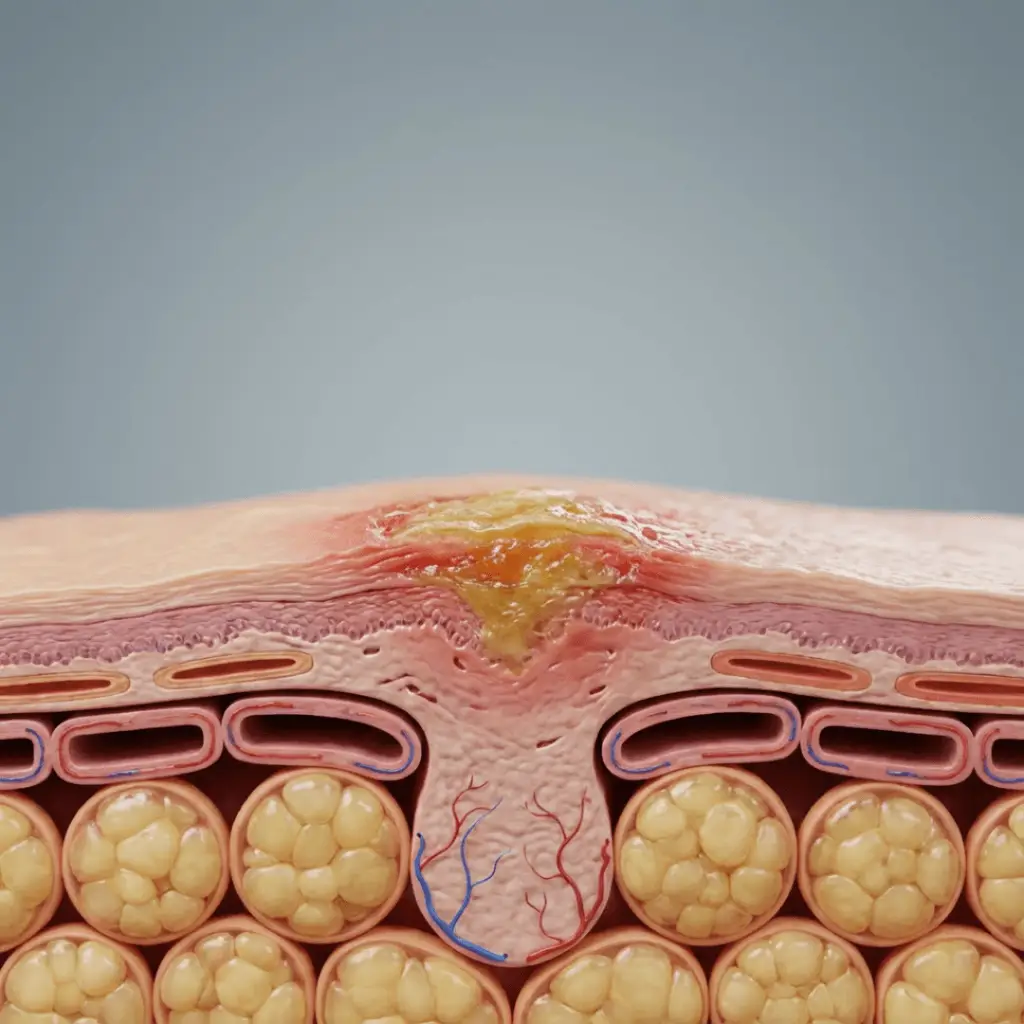
Skin
- Redness
- Warmth
- Swelling
- Pus-filled lesions
- Drainage
Respiratory Tract
- Cough
- Chest discomfort
- Shortness of breath
- Fever
Digestive System
- Diarrhea
- Vomiting
- Abdominal pain
- Signs of dehydration
Urinary Tract
- Burning during urination
- Frequent urination
- Cloudy or strong-smelling urine
- Flank pain
Nervous System
- Severe headache
- Stiff neck
- Confusion
- Light sensitivity
Emergency Warning Signs
Seek immediate care for:
- Difficulty breathing
- Severe dehydration
- Persistent high fever
- Sudden confusion
- Severe headache with stiff neck
- Repeated vomiting
- Symptoms of sepsis: rapid heart rate, fever, difficulty breathing, extreme weakness, or low blood pressure
While many bacterial illnesses are mild and resolve with appropriate treatment, others can progress rapidly and become serious or even life-threatening—especially when they involve vital organs or the bloodstream. Always consult a healthcare professional if you experience severe symptoms, rapid worsening, or any of the emergency warning signs above. Early diagnosis and prompt treatment are crucial for the best outcome.
Types of Bacterial Diseases
Below is a high-level overview. Expanded system-level lists appear later.
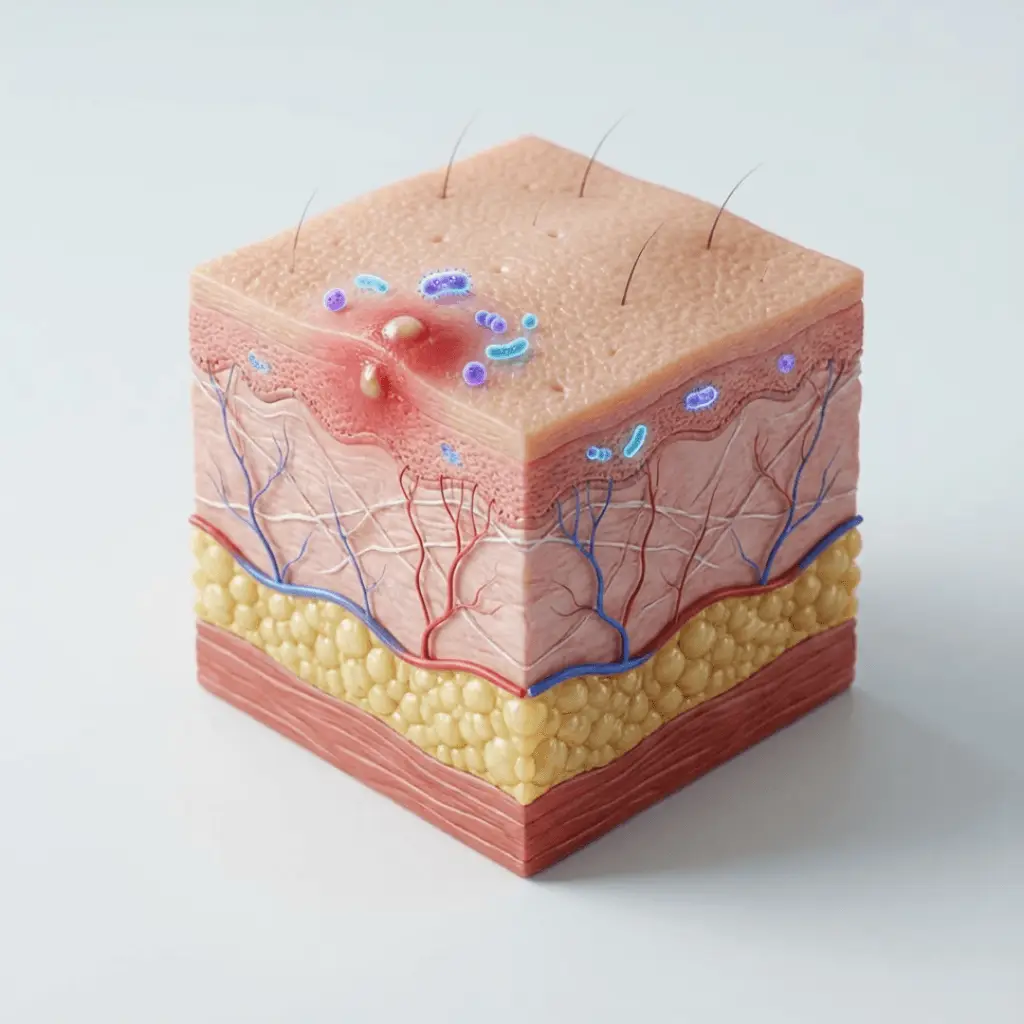
Skin Infections
- Cellulitis
- Impetigo
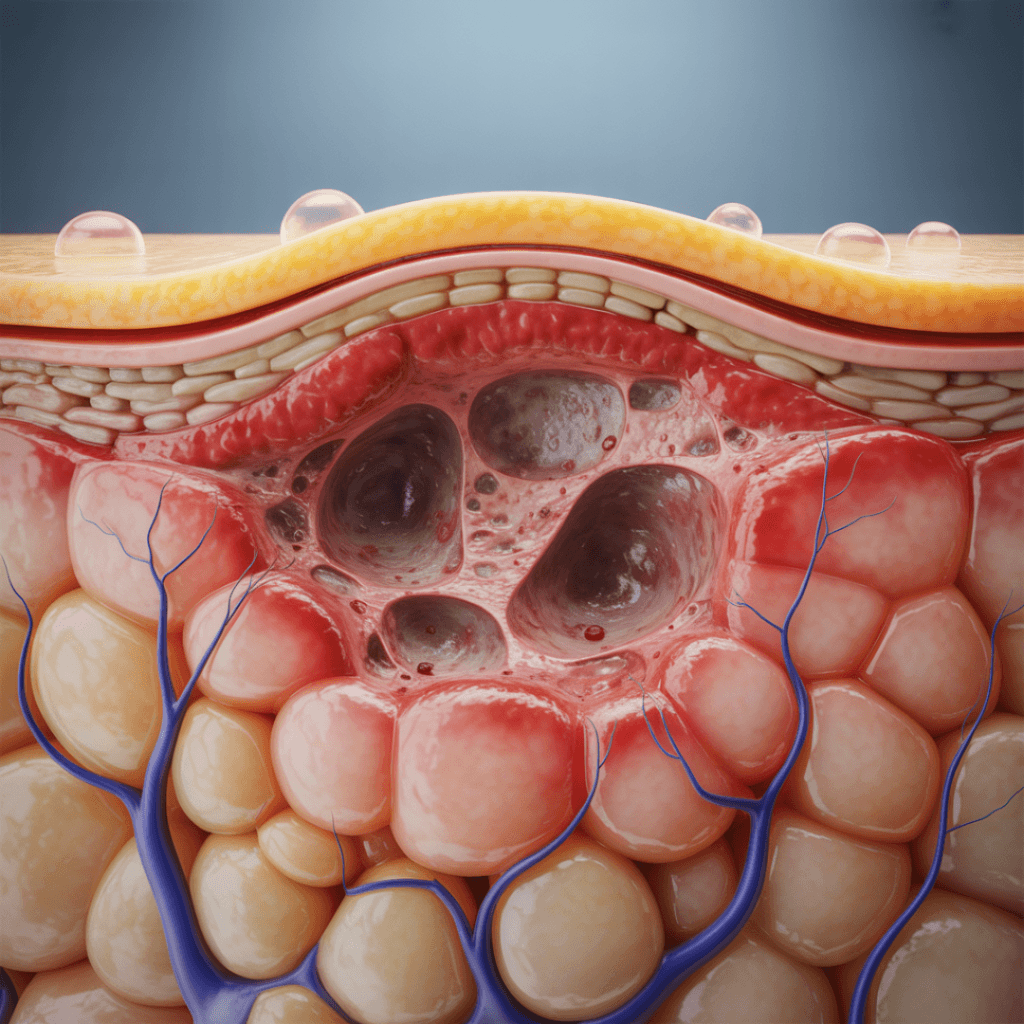
- Boils & abscesses
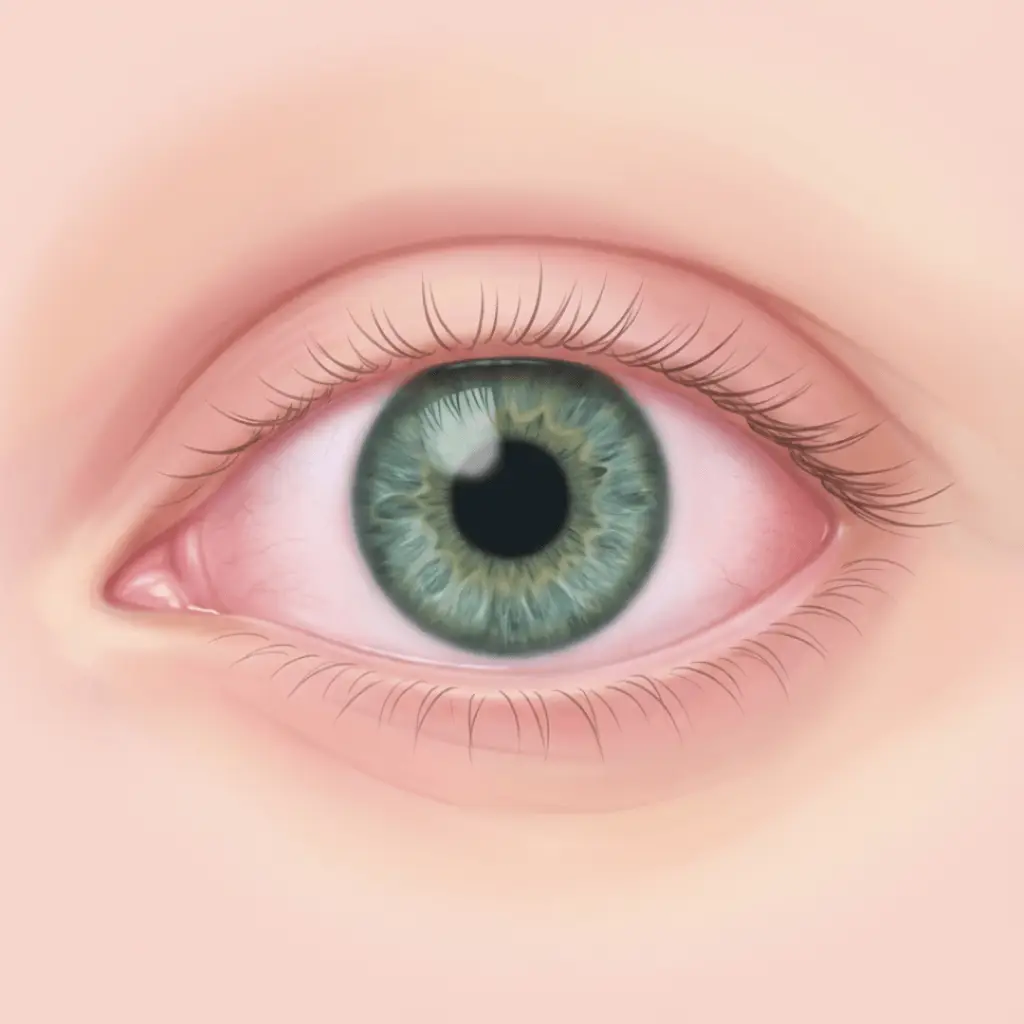
Eye Infections
- Bacterial conjunctivitis
- Styes
- Orbital cellulitis
ENT Infections
- Otitis media
- Sinusitis
- Strep throat
Respiratory Infections
- Pneumonia
- Whooping cough
- Tuberculosis
Digestive Infections
- Foodborne illness
- Cholera
- Salmonellosis
Urinary Tract Infections
- Cystitis
- Pyelonephritis
Nervous System Infections
- Meningitis
- Brain abscess
Bloodstream Infections
- Bacteremia
- Sepsis
50 Diseases Caused by Bacteria
- Anthrax
- Bacterial conjunctivitis
- Bacterial endocarditis
- Bacterial meningitis
- Bacterial pneumonia
- Bacteremia
- Botulism
- Brucellosis
- Campylobacteriosis
- Cellulitis
- Chlamydia
- Cholera
- Diphtheria
- Ehrlichiosis
- Erysipelas
- Food poisoning (bacterial causes)
- Gonorrhea
- Haemophilus influenzae infection
- Impetigo
- Kidney infection (pyelonephritis)
- Legionnaires’ disease
- Leprosy
- Listeriosis
- Lyme disease
- MRSA infection
- Otitis media (bacterial)
- Pelvic inflammatory disease (PID)
- Pertussis
- Plague
- Pneumococcal disease
- Salmonellosis
- Scarlet fever
- Sepsis
- Shigellosis
- Sinusitis (bacterial)
- Skin abscess
- Staphylococcal infections
- Strep throat
- Syphilis
- Tetanus
- Toxic shock syndrome
- Trachoma
- Tuberculosis
- Tularemia
- Typhoid fever
- Typhus (bacterial)
- UTI (bacterial)
- Bacterial vaginosis
- Wound infections
- Yersiniosis
Diseases by Body System
Skin Diseases
- Cellulitis
- Impetigo
- Boils & abscesses
- Erysipelas
- Folliculitis
- MRSA infection
- Necrotizing fasciitis
- Wound infections
Respiratory Diseases
- Pneumococcal pneumonia
- Tuberculosis
- Pertussis
- Legionnaires’ disease
- Diphtheria
- Bacterial bronchitis
- Haemophilus influenzae infections
Digestive Diseases
- Cholera
- Salmonella infection
- Shigellosis
- Campylobacter infection
- E. coli gastroenteritis
- Listeriosis
- Staphylococcal food poisoning
Urinary & Reproductive Diseases
- Cystitis
- Pyelonephritis
- Urethritis
- Prostatitis
- PID
- Bacterial vaginosis
- Gonorrhea
- Chlamydia
- Syphilis
Nervous System Diseases
- Bacterial meningitis
- Pneumococcal meningitis
- Meningococcal disease
- Listeria meningitis
- Tuberculous meningitis
- Brain abscess
Eye Diseases
- Bacterial conjunctivitis
- Trachoma
- Keratitis
- Stye
- Orbital cellulitis
Bloodstream Diseases
- Bacteremia
- Sepsis
- Toxic shock syndrome
- Endocarditis
Common Bacteria and the Diseases They Cause
| Bacterium | Diseases Caused |
| Staphylococcus aureus | Skin infections, abscesses, pneumonia, sepsis, toxic shock |
| Streptococcus pyogenes | Strep throat, scarlet fever, impetigo, necrotizing fasciitis |
| Streptococcus pneumoniae | Pneumonia, otitis media, sinusitis, meningitis |
| Escherichia coli | UTIs, gastroenteritis, sepsis |
| Salmonella spp. | Salmonellosis, typhoid fever |
| Shigella spp. | Shigellosis |
| Vibrio cholerae | Cholera |
| Neisseria meningitidis | Meningitis, bloodstream infection |
| Neisseria gonorrhoeae | Gonorrhea |
| Listeria monocytogenes | Listeriosis |
| Campylobacter jejuni | Gastroenteritis |
| Mycobacterium tuberculosis | Tuberculosis |
| Treponema pallidum | Syphilis |
| Clostridioides difficile | Antibiotic-associated colitis |
| Chlamydia trachomatis | Chlamydia, trachoma |
| Yersinia pestis | Plague |
Bacterial vs Viral Infection Comparison
| Feature | Bacterial | Viral |
| Onset | Often sudden & localized | Gradual & widespread |
| Fever | Higher, persistent | Often lower |
| Symptoms | Localized pain, redness, swelling | Generalized body aches |
| Discharge | Thick yellow/green | Thin/clear |
| Duration | Often worsens untreated | Often improves in 3–7 days |
| Antibiotic response | Improves | No effect |
Diagnosis
- Physical exam
- Blood tests & urine tests
- Wound, throat, or stool cultures
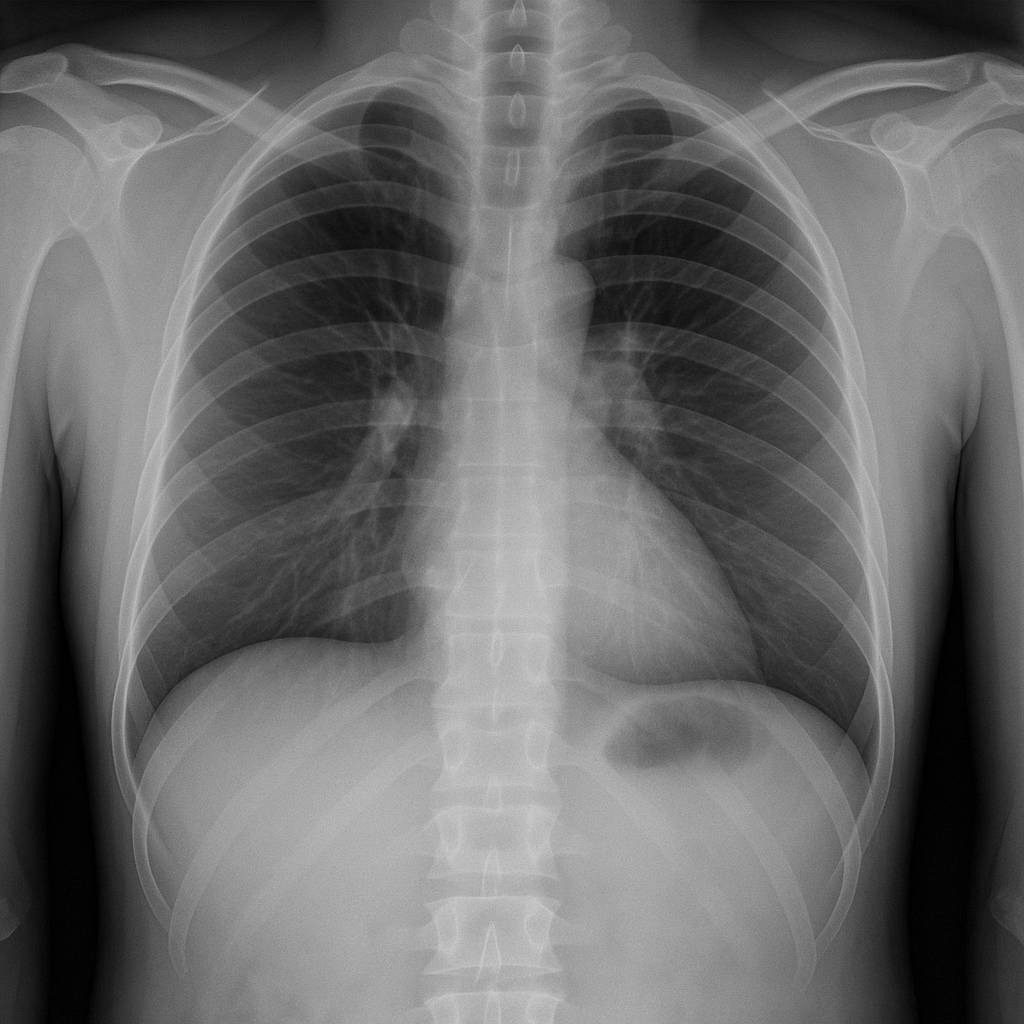
- Imaging (X-ray, ultrasound)
- Sensitivity testing to match antibiotics
Treatment
Antibiotics
Antibiotics are typically the mainstay cure for most bacterial infections.
- Oral antibiotics for mild/moderate infections
- IV antibiotics for severe or systemic infections
- Must be taken exactly as prescribed
- Misuse → antibiotic resistance
Some infections may resolve without antibiotics
(e.g., mild sinus or ear infections),
but only with medical guidance. Never assume an infection will clear up on its own—always check with a healthcare provider to determine the best approach for your specific situation.
Supportive Care
- Hydration
- Fever reducers
- Pain relievers
- Rest
In some cases, supportive care—such as staying well-hydrated, managing fever or pain, and allowing your body to rest—can help ease symptoms while your immune system fights off the infection. Your healthcare provider will guide you on what’s appropriate based on the severity and type of infection.
Complications
- Sepsis
- Organ damage
- Severe dehydration
- Abscess formation
- Bone/joint infections
- Recurrence
- Antibiotic-resistant infections
Some complications stem from the infections themselves, while others can result from treatment. Antibiotic resistance is a major concern—sometimes, certain antibiotics stop working and don’t kill or slow down bacteria. This is why healthcare providers are careful about when and how they prescribe antibiotics, using them only when truly necessary and selecting the right one for the infection.
It’s vital to take any prescribed medication exactly as directed, for the full course—even if you start to feel better. Stopping antibiotics early or misusing them can contribute to resistance and increase the risk of recurrence or more severe complications.
Prevention
- Frequent handwashing
- Safe food handling
- Clean & cover wounds
- Avoid contaminated water
- Stay current with recommended vaccines
- Practice safe sex
- Avoid close contact with those who are sick
When to Seek Medical Care
Routine care:
- Fever > 3 days
- Worsening symptoms
- Pain, swelling, or difficulty urinating
Emergency care:
- Trouble breathing
- Confusion
- Signs of meningitis
- Sepsis symptoms
- Persistent vomiting
What to Ask Your Doctor About Bacterial Infections
When discussing bacterial infections with your healthcare provider, consider bringing up questions to make sure you understand your diagnosis and care plan. Here are important questions to ask:
- What type of bacteria is causing my infection, and how did I get it?
- Are there steps I should take to avoid passing this infection to others?
- Which symptoms should prompt me to seek further medical attention?
- How should I take my prescribed antibiotics or other medications?
- How soon should I expect to improve, and what if I don’t feel better?
- Are there home remedies or self-care measures that can help my recovery?
- When do I need a follow-up appointment or additional testing?
Being proactive about your care helps ensure a smoother recovery and reduces the risk of complications.
Short Notes
- Bacterial diseases are caused by harmful bacteria.
- Spread via air, food/water, surfaces, animals, or sex.
- Common examples: pneumonia, UTIs, food poisoning, meningitis.
- Symptoms: fever, pain, redness, swelling.
- Diagnosis uses cultures & tests.
- Treated with antibiotics when appropriate.
Prevention through hygiene, food safety, and vaccination.
Frequently Asked Questions
u003cstrongu003eWhat are bacterial diseases?u003c/strongu003e
Bacterial diseases are illnesses caused by harmful bacteria entering the body, multiplying, and damaging tissues or releasing toxins.
u003cstrongu003eWhat is sepsis and how is it related to bacterial infection?u003c/strongu003e
Sepsis is a life-threatening inflammatory response to infection. Many cases begin with bacterial infections, especially UTIs, skin infections, and pneumonia.
u003cstrongu003eCan you get bacterial infections from surfaces?u003c/strongu003e
Yes. Many bacteria can survive on surfaces and transfer to the body through hands, wounds, or face/mouth contact.
u003cstrongu003eWhat foods commonly cause bacterial infection?u003c/strongu003e
Common sources include undercooked meats, unpasteurized milk, eggs, raw produce, and contaminated water.
u003cstrongu003eWhat is the difference between bacterial and viral fever?u003c/strongu003e
Bacterial fever is often higher, persistent, and accompanied by localized symptoms. Viral fever often resolves in 3–7 days.
u003cstrongu003eWhen is emergency care needed?u003c/strongu003e
Emergency attention is required for symptoms of meningitis, sepsis, breathing difficulty, sudden confusion, or stiff neck with fever.
u003cstrongu003eWhen should I see a doctor?u003c/strongu003e
Seek medical care for high fever, worsening symptoms, severe pain, difficulty breathing, repeated vomiting, or signs of dehydration.
u003cstrongu003eWhat are the most common bacterial infections?u003c/strongu003e
Common bacterial infections include urinary tract infections (UTIs), pneumonia, strep throat, sinusitis, and skin infections like cellulitis or impetigo.
u003cstrongu003eHow do I know if an infection is bacterial or viral?u003c/strongu003e
You cannot reliably tell based on symptoms alone. A clinician may use exams, cultures, urine tests, or imaging to confirm the cause.
u003cstrongu003eCan bacterial diseases cause complications?u003c/strongu003e
Yes. Possible complications include sepsis, organ damage, dehydration, chronic infections, and antibiotic-resistant infections.
u003cstrongu003eHow can bacterial infections be prevented?u003c/strongu003e
Handwashing, food safety, wound care, safe sex, clean water, avoiding contact with sick individuals, and staying current on recommended vaccines.
u003cstrongu003eAre bacterial infections contagious?u003c/strongu003e
Many are, especially respiratory and gastrointestinal infections. Others spread through injury, environment, or vectors.
u003cstrongu003eHow long do bacterial infections last?u003c/strongu003e
Duration varies by organism, infection site, and treatment. Mild infections may improve within days; severe ones may take weeks.
u003cstrongu003eWhat happens if antibiotics don’t work?u003c/strongu003e
This may indicate antibiotic resistance, an incorrect medication choice, or a non-bacterial illness. Follow-up testing is typically required.
u003cstrongu003eWhy don’t antibiotics work for viral infections?u003c/strongu003e
Antibiotics target processes specific to bacteria. Viruses do not have those structures, so antibiotics are ineffective.
u003cstrongu003eDo all bacterial infections need antibiotics?u003c/strongu003e
No. Some mild infections (e.g., certain sinus and ear infections) may resolve without antibiotics under medical supervision.
u003cstrongu003eHow are bacterial infections treated?u003c/strongu003e
Treatment may include antibiotics, supportive care, hydration, fever reducers, or IV therapy for severe infections.
u003cstrongu003eHow serious are bacterial infections?u003c/strongu003e
Severity ranges from mild to life-threatening. Some infections, such as meningitis, pneumonia, and sepsis, require immediate medical attention.
u003cstrongu003eWhat are early signs of a bacterial infection?u003c/strongu003e
Early signs include fever, redness, swelling, warmth, localized pain, and thick discharge. Systemic infections may cause weakness, chills, or confusion.
u003cbru003eu003cstrongu003eWhat causes bacterial diseases?u003c/strongu003e
They are caused by pathogenic bacteria entering the body through wounds, inhalation, contaminated food or water, surfaces, animals, or sexual contact.
APA Reference List
Centers for Disease Control and Prevention. (2024, April 17). Controlling the emergence and spread of antimicrobial resistance. https://www.cdc.gov/antimicrobial-resistance/prevention/index.html
Centers for Disease Control and Prevention. (2025, January 31). About antimicrobial resistance. https://www.cdc.gov/antimicrobial-resistance/about/index.html
Centers for Disease Control and Prevention. (2025, September 25). Antimicrobial resistance: Causes and how it spreads. https://www.cdc.gov/antimicrobial-resistance/causes/index.html
Cleveland Clinic. (n.d.). Bacterial infection: Causes, symptoms, treatment & prevention. https://my.clevelandclinic.org/health/diseases/24189-bacterial-infection
National Foundation for Infectious Diseases. (n.d.). Antibiotic resistance. https://www.nfid.org/antibiotic-resistance/
Salam, M. A. (2023). Antimicrobial resistance: A growing serious threat for self- and non-sterile products. Journal of Advanced Pharmaceutical Technology & Research. https://pmc.ncbi.nlm.nih.gov/articles/PMC10340576/
U.S. National Library of Medicine. (2023, April 17). Antibiotics. MedlinePlus. https://medlineplus.gov/antibiotics.html
U.S. National Library of Medicine. (2024, September 27). Antibiotic resistance. MedlinePlus. https://medlineplus.gov/antibioticresistance.html
U.S. National Library of Medicine. (2024, September 27). Bacterial infections. MedlinePlus. https://medlineplus.gov/bacterialinfections.html
World Health Organization. (2023, November 21). Antimicrobial resistance. https://www.who.int/news-room/fact-sheets/detail/antimicrobial-resistance