
Who This Information Is For
This article is for adults seeking clear, medically grounded information about clammy skin, including what it means, common and serious causes, and when medical evaluation is needed. It is based on authoritative medical references and does not replace professional medical care.
Key Takeaways
- Clammy skin feels cool and damp and is a symptom, not a diagnosis.
- It can occur with normal responses (such as heat or anxiety) or serious medical emergencies.
- Cold, clammy skin, sudden onset, or additional symptoms increase concern.
- Medical evaluation focuses on identifying the underlying cause, not the skin alone.
Overview
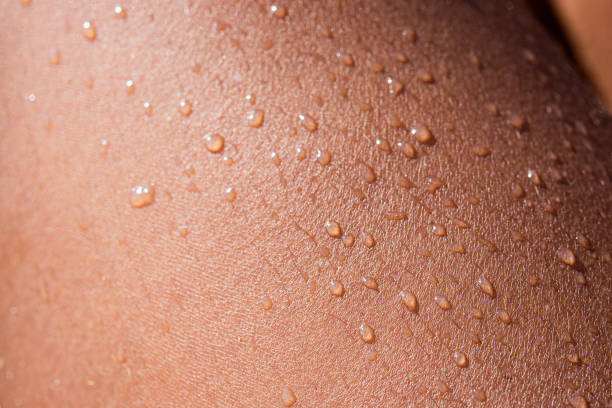
Clammy skin describes skin that feels cool and damp to the touch. It is not a medical diagnosis, but a symptom that can appear in a wide range of situations—from normal body responses like heat or anxiety to serious medical emergencies. Understanding the context in which clammy skin appears and whether other symptoms are present is essential.
What Is Clammy Skin?
Clammy skin typically feels moist, cool, and sometimes pale. Medical references describe it as skin that is wet from sweating and may feel cooler than expected. Because it reflects how the body is responding to internal or external stress, clammy skin is evaluated based on associated symptoms and circumstances, not on the skin finding alone. It is important to remember that clammy skin is a symptom—not a diagnosis—and can signal a variety of underlying health issues.
Why Clammy Skin Happens
Clammy skin can occur when sweating is present and, in some situations, when circulation to the skin is reduced. This may happen during normal temperature regulation or during serious illness. Verified causes fall into two broad groups.
- Common, often less severe causes
- Serious or life-threatening conditions
Common Causes
These causes may still require medical attention depending on severity and persistence:
- Heat or heat exhaustion
Sweating is part of normal temperature regulation and may make skin feel cool and damp. - Anxiety or panic
Activation of the nervous system can trigger sweating and cool skin sensations. - Pain or emotional stress The body’s stress response can produce clammy skin even in the absence of obvious physical illness.
- Low blood sugar (hypoglycemia)
Excessive sweating, including clammy skin, is a recognized symptom. Hypoglycemia can be caused by skipped meals, diabetes medications, alcohol, or strenuous exercise. - Hyperhidrosis
A medical condition characterized by excessive sweating that occurs regardless of temperature or activity. It most commonly affects the palms, soles, underarms, or face. - Menopause
Hormonal changes can bring on episodes of sweating and clamminess. - Alcohol withdrawal
Withdrawal symptoms, including sweating and clammy skin, can occur in people who suddenly stop drinking alcohol.
Clammy skin can also be seen with viral or bacterial infections (such as a kidney infection or the flu), but in those cases, other symptoms like fever may also be present.
Serious or Life-Threatening Causes
Clammy skin may be an early warning sign of severe medical conditions. In these situations, prompt medical attention is crucial:
Low blood oxygen levels (hypoxemia)
This may result from heart or lung conditions and can leave the skin pale, bluish, and clammy.
Shock
In medical terms, shock occurs when blood flow and oxygen delivery to tissues drop suddenly—this can be due to severe bleeding, dehydration, infection, severe allergic reaction, or traumatic injuries like burns or spinal injury. Shock often causes pale, cold, and clammy skin and is a life-threatening emergency.
Heart attack
A heart attack may restrict blood flow to heart muscle, causing clammy skin, chest pain, and other symptoms. Not everyone experiences classic chest pain; symptoms can include discomfort, nausea, sweating, pain radiating to the arm, jaw, or back, or even fainting.
Sepsis
A severe infection that spreads through the bloodstream, causing a drop in blood pressure and clammy skin.
Severe allergic reaction (anaphylaxis)
Reactions to foods, medications, or insect stings can lead to clammy skin, swelling, hives, and trouble breathing.
Internal bleeding
Blood loss from an injury or medical condition inside the body can produce clammy skin, weakness, and sometimes confusion or fainting.
Cold, Clammy Skin
Cold, clammy skin is frequently associated with shock, significant blood loss, and cardiac emergencies. Medical references explain that during these states, blood flow may be redirected toward vital organs, leaving the skin cool and moist. Sudden onset or worsening of cold, clammy skin should not be ignored. as it can be a signal of rapidly progressing illness, especially if accompanied by symptoms like confusion, chest pain, or severe weakness.
Clammy Skin Without a Fever
The absence of fever does not rule out serious illness. Several dangerous conditions associated with clammy skin—such as heart attack, shock, or internal bleeding—may occur without fever, particularly early in their course. Always consider the overall picture, especially if other concerning symptoms are present.
Symptoms That May Occur Alongside Clammy Skin
Clammy skin often appears with other symptoms that help determine its cause, including:
- Dizziness or lightheadedness
- Confusion or altered thinking
- Chest pain or pressure
- Shortness of breath or trouble breathing
- Nausea or vomiting (sometimes persistent or with blood)
- Pain in the chest, abdomen, back, or limbs
- Pale or bluish skin
- Weak or rapid pulse (may be difficult to feel)
- Shallow breathing
- Anxiety or a sense of impending doom
- Fainting or loss of consciousness
- Swelling of the face, lips, mouth, or throat (suggestive of a severe allergic reaction)
- Hives or new skin rash
The presence of multiple symptoms increases concern for a serious underlying condition.
When to See a Doctor or Seek Emergency Care
Seek immediate medical attention if clammy skin occurs with any of the following:
- Chest pain or discomfort
- Trouble breathing or shortness of breath
- Confusion, fainting, or loss of consciousness
- Severe weakness
- Bluish lips or fingernails
- Signs of shock, such as a very weak or rapid pulse
- Persistent vomiting, especially if there is blood
- Swelling of the face, lips, mouth, or throat
- New hives, rash, or difficulty breathing
Clammy skin that appears suddenly and does not improve quickly should be treated as a potential medical emergency. If you suspect a heart attack, shock, or a severe allergic reaction, call 911 or your local emergency number immediately.
How Doctors Evaluate Clammy Skin
Medical evaluation focuses on identifying the underlying cause. A healthcare provider may:
- Perform a physical examination
- Ask about symptom onset, pain, injuries, or recent illness
- Measure vital signs such as blood pressure and oxygen levels
Depending on findings, testing may include blood or urine tests, an electrocardiogram (ECG), or imaging studies. Testing is directed by suspected causes rather than the skin symptom alone.
Treatment Overview
There is no single treatment for clammy skin. Management depends entirely on the underlying cause and may include:
- Fluids by mouth or through a vein
- Oxygen therapy
- Medications to stabilize blood pressure or heart function
- Treatment of infection, allergic reaction, or blood loss
For example, heat exhaustion or dehydration is often addressed by rehydrating with fluids, sometimes using an intravenous (IV) line if oral intake isn’t enough. In more serious cases—such as if you’re experiencing symptoms of shock or severe heat exhaustion—hospitalization may be necessary to ensure you get the right care and close monitoring.
When the underlying condition is treated promptly, skin symptoms often improve.
Treatment for Clammy Skin Due to Hormonal Imbalances
If clammy skin is linked to hormonal changes—such as those from menopause or andropause—treatment typically focuses on restoring hormonal balance. Doctors may prescribe hormone replacement therapy (HRT) to address deficiencies and alleviate symptoms, including clamminess. These therapies are tailored to each individual and are only available with a prescription, so evaluation by a healthcare provider is required.
Hyperhidrosis vs. Clammy Skin
Hyperhidrosis causes persistent excessive sweating but is not the same as clammy skin related to medical emergencies. Hyperhidrosis usually involves sweating with normal or warm skin temperature, whereas clammy skin often includes coolness and may reflect circulatory changes. Medical evaluation is needed to distinguish between these causes.
Outlook
The outlook for someone with clammy skin depends entirely on the underlying cause. Mild causes may resolve quickly, while serious conditions require urgent treatment and ongoing care. Early recognition and prompt medical evaluation improve outcomes when clammy skin is linked to severe illness.
Frequently Asked Questions
Is clammy skin dangerous?
It can be. While some causes are mild, clammy skin may signal serious medical emergencies, especially when combined with other symptoms.
What causes sudden clammy skin?
Sudden clammy skin has been associated with shock, heart problems, severe pain, anxiety, and allergic reactions. Sudden onset should be evaluated promptly.
Can anxiety cause clammy skin?
Yes. Anxiety can activate the nervous system and trigger sweating and cool skin sensations. Serious medical causes should be considered and ruled out based on symptoms.
Is clammy skin a sign of shock?
Yes. Cool, clammy skin is a recognized sign of shock and requires immediate medical attention.
Should I worry about clammy skin at night?
Clammy skin at night has been associated with stress, illness, and blood sugar changes. Persistent or severe symptoms should be evaluated by a healthcare professional.
What does clammy skin mean?
It refers to skin that feels cool and damp and reflects how the body is responding to stress, illness, or environmental conditions.
Is clammy skin always an emergency?
No. Some causes are mild, but clammy skin can indicate a medical emergency when it appears suddenly or occurs with serious symptoms.
Can clammy skin happen without fever?
Yes. Several serious conditions associated with clammy skin do not require fever to be present.
Does hyperhidrosis cause clammy skin?
Hyperhidrosis causes excessive sweating. While it can make skin damp, it is distinct from clammy skin associated with circulatory or emergency conditions.
Can foods cause clammy skin?
There is no high-quality evidence supporting this.
APA Reference List
American Heart Association. (2025, May 29). Heart failure signs and symptoms. https://www.heart.org/en/health-topics/heart-failure/warning-signs-of-heart-failure
Brackenrich, J., Brackenrich, L., & Hansen, M. (2022). Hyperhidrosis. In StatPearls. StatPearls Publishing. https://www.ncbi.nlm.nih.gov/books/NBK459227/
Centers for Disease Control and Prevention. (2024, May 15). Definitions of signs, symptoms, and conditions of ill travelers. https://www.cdc.gov/port-health/php/definitions-symptoms-reportable-illness/index.html
National Library of Medicine. (2023, June 20). Sweating. MedlinePlus Medical Encyclopedia. https://medlineplus.gov/ency/article/003218.htm
National Library of Medicine. (2023, November 2). Heat emergencies. MedlinePlus Medical Encyclopedia. https://medlineplus.gov/ency/article/000056.htm
National Library of Medicine. (2023, November 13). Sepsis. MedlinePlus. https://medlineplus.gov/sepsis.html
National Library of Medicine. (2024, February 28). Low blood sugar. MedlinePlus Medical Encyclopedia. https://medlineplus.gov/ency/article/000386.htm
National Library of Medicine. (2024, July 21). Hyperthyroidism. MedlinePlus Medical Encyclopedia. https://medlineplus.gov/ency/article/000356.htm
National Library of Medicine. (2024, September 12). Pulse oximetry. MedlinePlus Medical Test. https://medlineplus.gov/lab-tests/pulse-oximetry/
National Library of Medicine. (2024, September 13). Menopause. MedlinePlus. https://medlineplus.gov/menopause.html
National Library of Medicine. (2025, February 13). Skin – clammy. MedlinePlus Medical Encyclopedia. https://medlineplus.gov/ency/article/003216.htm
National Library of Medicine. (n.d.). Heart attack. MedlinePlus Medical Encyclopedia. https://medlineplus.gov/ency/article/000195.htm
National Library of Medicine. (n.d.). Shock. MedlinePlus Medical Encyclopedia. https://medlineplus.gov/ency/article/000039.htm
National Library of Medicine. (n.d.). Sepsis. MedlinePlus Medical Encyclopedia. https://medlineplus.gov/ency/article/000666.htm
National Library of Medicine. (n.d.). Anaphylaxis. MedlinePlus Medical Encyclopedia. https://medlineplus.gov/ency/article/000844.htm
National Library of Medicine. (n.d.). Anxiety. MedlinePlus. https://medlineplus.gov/anxiety.html
National Library of Medicine. (n.d.). Hyperhidrosis. MedlinePlus Medical Encyclopedia. https://medlineplus.gov/ency/article/007259.htm