
This article is for general information only and does not replace advice from your own doctor or emergency services.
Quick Answer
A lump on the leg is any abnormal bump, knot, or area of swelling that feels different from the surrounding tissue. It can appear on the shin, calf, thigh, or behind the knee, and may be:
- Soft or firm
- Moveable or fixed
- Painful or painless
Common non-cancerous causes include:
- Lipomas (soft, fatty lumps under the skin)
- Cysts (fluid- or debris-filled sacs)
- Hematomas or “goose eggs” after an injury (collections of blood under the skin)
- Inflammatory nodules, such as erythema nodosum on the shins
- Varicose veins, which can look and feel like bulging, lumpy veins in the legs
Less commonly, a lump can be due to infection (such as a skin abscess) or, rarely, a tumor (including soft-tissue sarcoma or bone cancer).
Get medical care promptly if a lump:
- Grows quickly
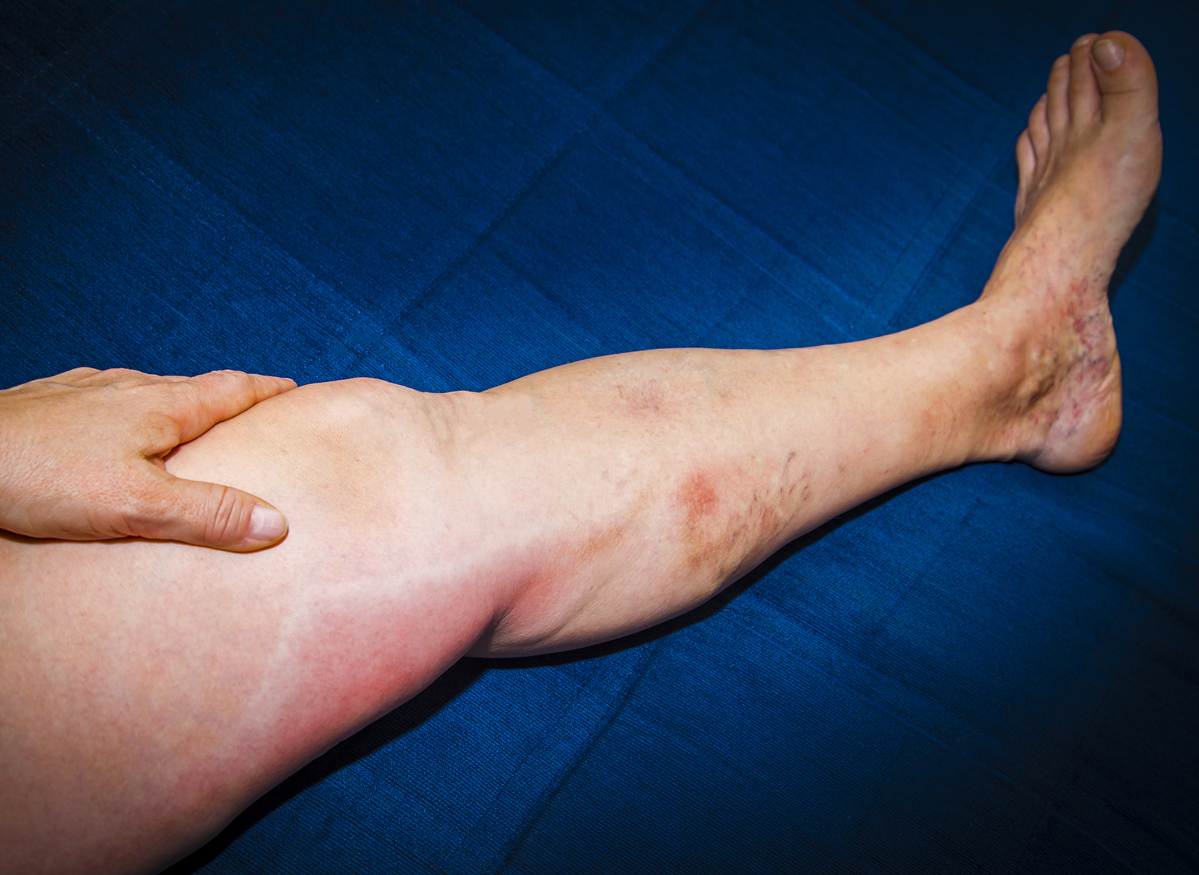
- Is very painful, red, or hot
- Lasts more than 2 weeks
- Is hard and does not move
- Is larger than about 2–5 cm (marble–golf ball sized)
- Is deep in the muscle or causes trouble walking or moving the joint
Call emergency care if the leg becomes cold, very pale, numb, weak, or you can’t move your foot or toes, or if you suspect a serious injury or infection.
What Are Lumps on the Leg?
A leg lump is any localized area that feels raised, thickened, or different from normal skin and tissue. It may arise from:
- Skin (epidermis/dermis)
- Fat and soft tissue under the skin
- Muscle
- Blood vessels (e.g., varicose veins)
- Bone (shin/tibia or femur)
Examples of how people describe these lumps include:
- “Soft squishy lump on my lower leg”
- “Hard lump on my shin bone”
- “Painful knot in my calf”
- “Lump behind my knee”
Most lumps are benign, but some causes are serious, so persistent or changing lumps should be checked.
Common Types of Leg Lumps
Painless Lumps
Often benign, but still worth checking if they change.
Lipomas (fatty lumps)
- Soft, rubbery, moveable under the skin
- Usually painless and slow growing
- Common on arms, shoulders, back, and legs
A lipoma is a benign (noncancerous) tumor made up of fatty tissue. These lumps develop just below the skin and often appear pale or colorless. Most lipomas are soft to the touch and can be easily moved under the skin. While they typically don’t cause any symptoms, lipomas involving multiple blood vessels or nerves may sometimes feel tender or painful. The exact cause of lipomas isn’t known, but certain genetic conditions—such as Gardner’s syndrome—can increase the likelihood of developing them.
Cysts
- Round or oval lumps containing fluid or keratin (e.g., epidermoid cysts)
- Usually just under the skin, may have a small central pore
- Often painless unless inflamed or infected
Cysts can develop when an oil gland or hair follicle becomes clogged, leading to a buildup of fluid, keratin, or trapped dead skin cells beneath the surface. When close to the skin, they may feel soft, like a blister; deeper cysts can feel like hard lumps.
Common types of cysts include:
- Epidermoid cysts: Can appear anywhere on the skin
- Pilar cysts: Often found on the scalp
- Ganglion cysts: Frequently occur on the wrists or hands
- Mucous cysts: May form on the feet, toes, or inside the mouth
Most cysts are harmless and painless unless they become inflamed or infected, at which point they may become tender or red.
Dermatofibromas
- Small, firm, button-like nodules (often 0.5–1.5 cm)
- Common on lower legs and upper arms
- Skin may dimple inward when pinched (the classic “dimple sign”)
Slow-growing tumors
Some soft-tissue tumors, including certain sarcomas, may initially be painless lumps that slowly enlarge.
Important: Any painless lump that is getting bigger, is deep, or feels firm and fixed needs medical assessment to rule out cancer.
Painful Lumps
Pain increases the chance of inflammation, infection, or injury.
Skin abscess (boil)
- Painful, swollen lump filled with pus
- Often red, warm, and tender
- May be “firm yet squishy” and can drain fluid
Inflamed or infected cyst
- Previously painless cyst becomes red, painful, and swollen
- Can mimic an abscess and sometimes needs drainage plus antibiotics
Hematoma or “goose egg” after injury
- Occurs after a bump, fall, or impact
- Blood collects under the skin or in muscle → forms a firm or rubbery lump
- Area may be bruised and sore; often improves gradually over days–weeks
Inflammatory nodules (erythema nodosum)
- Sudden tender red lumps, typically on the front of the shins
- Nodules start bright red, then change to purple or bluish-brown, then fade over several weeks, similar to bruises
- Can be associated with infections, medications, pregnancy, inflammatory bowel disease, and other systemic conditions
Soft, Squishy, or Moveable Lumps
- Lipomas – classic cause; soft, rubbery, easily moveable under the skin
- Epidermoid/other cysts – may feel firm or slightly squishy, often with a central pore
- Small hematomas or fluid collections after injury – can feel soft or rubbery and tender early after trauma
Even “squishy” lumps can be serious if they grow, become painful, or don’t resolve.
Hard Lumps
Hard lump on the shin or leg may represent:
- Bone-related changes
- After a fracture, the healing process forms a bone callus, and the area can feel thicker or more prominent while it remodels.
- Old or organized hematoma
- Over time, some hematomas feel firmer as blood clots and tissue thickens
- Dermatofibroma (small, firm skin nodule with dimple sign)
- Bone or soft-tissue tumors (benign or malignant)
A hard, fixed lump that is enlarging, deep, or associated with night pain or weight loss is a red flag and should be checked urgently.
Lumps in the Calf or Behind the Knee
Lumps in the calf or popliteal fossa (behind the knee) can include:
- Baker’s cyst (popliteal cyst) – fluid from the knee joint bulges at the back of the knee
- Hematoma from muscle strain or impact
- Varicose veins – lumpy, bulging, twisted superficial veins that can be seen and felt under the skin
- Infections (abscess, cellulitis)
- Tumors (rare but possible around the knee and calf)
Seek urgent care if a calf lump is associated with:
- Sudden calf pain or tenderness
- Swelling of the leg
- Color change in the leg (red, purple, or very pale)
- Shortness of breath or chest pain (possible blood clot)
Symptoms and Red Flags
Local Symptoms
A leg lump may come with:
- Pain or tenderness
- Warmth, redness, or discoloration
- Swelling around the lump
- Changes in skin texture (thickening, dimpling, ulceration)
- Fluid drainage (suggests infection)
Erythema nodosum colour change
- Lumps change from red → purple/violaceous → brownish, then fade like bruises over weeks
Swollen Lymph Node Symptoms
When lymph nodes swell, you might notice:
- Firm or tender lumps beneath the skin, often in the neck, armpit, or groin
- Pain or soreness over the affected area
- Possible warmth or redness of the skin over the node
Swelling can be triggered by various causes, including common colds, ear infections, dental issues, or immune conditions like rheumatoid arthritis and lupus. Infections, whether viral or bacterial, are frequent culprits. Typically, swollen lymph nodes serve as a signal that your immune system is actively responding to an issue somewhere in your body.
Systemic Symptoms
These can suggest infection, inflammation, or cancer:
- Fever or chills
- Fatigue
- Unintentional weight loss
- Night sweats
- Joint pain or swelling
Swollen Lymph Nodes: When to Worry
While swollen lymph nodes are often just a sign your immune system is fighting off a viral bug or a simple infection (think: a cold, sinusitis, or dental issues), some features can raise a red flag.
- Hard, firm, or “rubbery” lymph nodes—especially if they feel fixed in place or are not tender—are more concerning.
- If the swelling persists beyond 2–4 weeks or continues to grow, that’s your cue to check in with your doctor.
- Lymph nodes in the neck, armpit, or groin that pop up for no clear reason (and don’t shrink back down), or are accompanied by unexplained weight loss, night sweats, or fatigue, may be a sign of something more serious.
In rare cases, cancers such as lymphoma, leukemia, or even metastatic cancers (like breast cancer) can make lymph nodes swell. So, if a lymph node is getting larger, feels unusually hard, or is associated with other concerning symptoms, don’t ignore it—have it checked to rule out anything more serious.
Causes of Leg Lumps
Infectious Causes
- Skin abscess – pus-filled, painful lump, often red and warm; may need incision and drainage plus antibiotics
- Infected cyst – cyst becomes red, tender, and swollen
- Cellulitis – diffuse redness and swelling that may feel firm rather than a discrete lump
Trauma-Related Causes
- Hematoma – collection of blood in soft tissue after injury; feels swollen, rubbery, or firm
- Muscle tears and contusions – localized swelling and tenderness in muscle
- Bone healing/callus after fracture – healing bone can form a temporary thickened area that may be felt as a lump
Inflammatory Conditions
Erythema nodosum – classic tender nodules on the shins, often linked to infections, medicines, pregnancy, sarcoidosis, or inflammatory bowel disease
- Other autoimmune or rheumatologic diseases may cause nodules or swollen joints.
Benign Growths
- Lipomas – benign fatty tumors; soft, moveable, usually painless
- Epidermoid and other cysts – benign sacs containing keratin or fluid
- Dermatofibromas – firm, small skin nodules that dimple when pinched; common on lower legs
Vascular Causes
- Varicose veins – enlarged, twisted, lumpy veins just under the skin, usually on the legs; may ache or itch and can cause localized lumps along the vein
Malignant Tumors
- Soft-tissue sarcoma – cancer arising from muscle, fat, nerves, or connective tissue in the leg
- Bone tumors – such as osteosarcoma or Ewing sarcoma
- Skin cancers – e.g., melanoma or squamous cell carcinoma may appear as nodules or thickened plaques
Warning features for possible sarcoma or cancer:
- Lump is deep or not just under the skin
- Lump is firm or hard and fixed
- Size > 5 cm or clearly enlarging
- Persistent or worsening pain
- Associated systemic symptoms (weight loss, night sweats, persistent fatigue)
Any lump with these features should be evaluated urgently by a doctor, often with imaging and biopsy.
Swollen Lymph Nodes: What Can Cause Them?
Lymph nodes are small, bean-shaped glands found throughout the body—including the neck, armpits, and groin—that act as filters for the immune system. When these glands swell, it’s often a sign that they’re busy fighting off something.
Common reasons for swollen lymph nodes include:
- Infections: Both viral (like the common cold or flu) and bacterial infections frequently lead to swollen lymph nodes. Ear or tooth infections are classic triggers, especially in nearby nodes.
- Immune Reactions: Conditions that stir up your immune system, such as rheumatoid arthritis or lupus, can also cause the glands to enlarge.
- Other Causes: Occasionally, more unusual causes like certain medications or underlying medical conditions can result in lymph node swelling.
Swollen lymph nodes usually feel like firm, tender lumps that may or may not hurt, often popping up near the site of infection or inflammation.
What Causes Swollen Lymph Nodes Under the Skin?
Lymph nodes are tiny filters found throughout the body, including behind the knee, in the groin, and along the inner thigh. Their main job is to trap and clear out unwanted germs, which sometimes causes them to swell.
Common Triggers for Swelling
When lymph nodes “pop up” under the skin, it often means they’re reacting to something nearby:
- Infections: Most often, a local infection like a skin wound, cellulitis, or even a mild viral illness (cold, flu) will trigger lymph nodes to enlarge and become tender.
- Bacterial and viral triggers: Infections such as strep throat, ear infections, or even dental abscesses can also prompt this response, causing nodes to swell and sometimes ache.
- Systemic illnesses: Occasionally, autoimmune diseases like lupus or rheumatoid arthritis can stir up the immune system, leading to widespread lymph node swelling.
- Other causes: Less commonly, medications or more serious underlying conditions (like lymphoma) may cause persistent or generalized node enlargement.
Typically, swollen lymph nodes feel firm, roundish, and may be painful or sensitive to touch. Most of the time, these lumps shrink back down once the underlying issue is treated or resolves on its own. However, persistent, hard, fixed, or growing lymph nodes—especially with systemic symptoms—should be checked by your doctor.
How Lumps on the Leg Are Diagnosed
A clinician will usually:
Take a Detailed History
- When the lump first appeared
- How fast it is growing
- Any injuries to the area
- Pain, redness, warmth, or drainage
- Fever, weight loss, night sweats, or other systemic symptoms
Perform a Physical Examination
- Location: skin, subcutaneous, deep in muscle, or attached to bone
- Size, shape, consistency (soft, rubbery, hard)
- Moveable vs fixed
- Changes in overlying skin (ulceration, dimpling, colour changes)
Imaging Tests
- Ultrasound
- Helps distinguish cystic (fluid-filled) from solid lumps
- Useful for superficial soft-tissue masses
- X-ray
- Evaluates bone involvement or calcifications
- MRI
- Best for deeper or complex soft-tissue masses and for sarcoma workup
- CT scan
- Sometimes used for complex cases or staging of malignancy
Laboratory Tests
When infection or systemic disease is suspected, tests may include:
- Blood counts and inflammatory markers
- Tests for underlying infection
- Specific tests for inflammatory diseases when erythema nodosum or other systemic signs are present
Biopsy
A biopsy is essential to diagnose or rule out cancer:
- Core needle or excisional biopsy for suspected sarcoma or other tumors
- Sometimes used for unusual lipomas, dermatofibromas, or persistent unexplained nodules
When to See a Doctor
Routine (Non-Urgent) Appointment
See a doctor or primary care provider if:
- A lump lasts more than 2 weeks
- The lump gets bigger over time
- It is hard and does not move
- It is painful, red, or hot
- It comes back after removal
Same-Day/Urgent Care
Seek same-day or urgent evaluation if:
- The lump becomes suddenly very painful
- Redness and warmth spread quickly
- You develop a fever with a painful lump (possible abscess or deep infection)
- A calf lump is associated with swelling, colour change, or new leg pain (possible clot or serious vascular issue)
- The lump is growing quickly or is firm, deep, or >2–5 cm
Emergency Care
Call emergency services or go to an emergency department if:
- The leg becomes cold, pale, numb, or weak
- You cannot move your foot or toes
- There is severe, sudden pain with deformity (suspected fracture or dislocation)
- A varicose vein or wound over a lump bleeds heavily and does not stop
Treatment Options
Treatment depends entirely on the cause. Do not attempt to diagnose or treat a lump at home without medical advice.
Infections (Abscesses and Infected Cysts)
- Antibiotics for bacterial skin infections and some small abscesses
- Incision and drainage for larger or persistent abscesses
- The goal is to release pus and relieve pressure and pain
Trauma-Related Lumps
- For many minor hematomas or soft-tissue injuries, clinicians may recommend RICE:
- Rest the injured leg
- Ice packs (short intervals, with cloth barrier)
- Compression bandage
- Elevation of the leg above heart level
- More significant hematomas or fractures may require imaging, drainage, or orthopedic care.
Benign Lumps (Lipomas, Cysts, Dermatofibromas)
- Observation if asymptomatic and clearly benign
- Surgical removal if:
- Painful or repeatedly inflamed
- Rapidly enlarging
- Cosmetically bothersome or uncertain diagnosis
For dermatofibromas, treatment is often not necessary unless removal is desired for comfort or appearance. Surgical excision remains the most effective and definitive option, especially when complete removal is preferred. Other approaches, which typically only remove part of the dermatofibroma, include:
- Freezing with liquid nitrogen
- Corticosteroid injections
- Shaving the top layers of the growth
- Removing the central portion of the lesion
These options may help reduce the size or appearance but are less likely to result in complete elimination of the lump.
Inflammatory Nodules (Erythema Nodosum)
- Management focuses on treating the underlying cause
- Supportive measures:
- Rest, leg elevation
- Compression/support stockings
- Cool or warm compresses
- NSAIDs (if safe for you)
- In some cases, doctors may prescribe corticosteroids or other medications.
Varicose Veins
- Lifestyle and conservative measures:
- Leg elevation, exercise, weight management
- Compression stockings
- Procedures (from vascular specialists) can include endovenous ablation, sclerotherapy, or surgery, depending on severity.
Malignant Tumors
If cancer is suspected:
- Referral to oncology or orthopedic oncology
- Imaging (MRI, CT, sometimes PET) and biopsy
- Treatment may include surgery, radiation, and/or chemotherapy, tailored to tumor type and stage.
Management of Swollen Lymph Nodes
For most people, swollen lymph nodes resolve on their own as the underlying infection or inflammation improves—no special treatment needed. Supportive care, such as rest, fluids, or over-the-counter medications for pain or fever, may help during this time.
However, when lymph nodes remain enlarged, feel unusually firm or “rubbery,” or don’t move under the skin, further evaluation is warranted. Persistent or suspicious lymph node changes might call for imaging (such as ultrasound or CT scan) and possibly a biopsy to determine the cause.
In cases where an underlying infection is identified—like bacterial or viral illnesses—targeted treatment such as antibiotics or antivirals may be appropriate. If a more serious condition is discovered, such as lymphoma, leukemia, or metastatic cancer, management will be coordinated with oncology. This may involve more advanced interventions including surgery, chemotherapy, or radiation, depending on the specific diagnosis and individual factors.
What You Should Not Do
- Do not squeeze, puncture, or try to drain a lump yourself — this can spread infection, cause scarring, and delay proper diagnosis.
- Do not ignore a lump that is growing, hard, fixed, or lasting more than a few weeks.
Possible Complications
If not evaluated and treated appropriately, leg lumps can lead to:
- Spreading infection → cellulitis, sepsis, or tissue damage
- Chronic pain or limited joint/muscle function
- Permanent skin or soft-tissue changes (scarring, skin breakdown, ulcers over varicose veins)
- Delayed diagnosis of a malignant tumor, which can worsen outcomes
Can Leg Lumps Be Prevented?
Not all leg lumps can be prevented, but you may reduce risk by:
- Using protective gear and safe techniques during sports or work to limit trauma
- Practicing good skin care and wound care to reduce infection risk
- Managing underlying conditions (e.g., inflammatory bowel disease, autoimmune disease, venous disease) with your healthcare team
Even with prevention, any new lump still warrants attention if it persists or changes.
Frequently Asked Questions
What causes a painless lump on my lower leg?
Common causes include:
• Lipomas (soft, fatty, moveable lumps)
Cysts
• Localized swelling or thickening after an injury
• Less commonly, slow-growing tumors, including soft-tissue sarcomas
Painless lumps that keep growing or feel firm and deep should be checked.
What causes soft or squishy lumps on my lower legs?
Soft or squishy lumps often represent:
• Lipomas
• Some cysts
• Early hematomas or fluid collections after an injury
These are usually benign but should be evaluated if they enlarge, hurt, or last more than a few weeks.
Why do my leg muscles feel lumpy or knotted?
Lumpy or rope-like sensations in the muscles usually come from:
• Muscle tension, trigger points, or cramps
• Old injuries or strains with residual scarring
• Overuse or delayed onset muscle soreness
These differ from a discrete, well-defined mass. Persistent focal lumps or deep hard knots should still be examined to exclude other causes.
Can a lump in my leg be cancer?
Yes, but most lumps are not cancer. Cancerous lumps (such as soft-tissue sarcomas or bone tumors) are more likely if the lump is:
• Growing
• Firm or hard
• Deep rather than just under the skin
• Larger than 5 cm
Associated with pain or systemic symptoms (weight loss, night sweats, fatigue)
Only imaging and sometimes biopsy can confirm whether a lump is cancerous.
When should I worry about a lump in my calf?
Be especially concerned if:
• The lump or calf is swollen, red, or painful
• The leg feels warm or changes colour
• Walking is painful or difficult
• You develop shortness of breath or chest pain
These can be signs of a blood clot, serious vein problem, or deep infection, which require urgent care.
When should I see a doctor for a lump on my leg?
In general, see a doctor if:
• The lump lasts more than 2 weeks
• It grows, comes back, or changes shape
• It is hard and doesn’t move
• It is painful, red, or hot
• It is deep or larger than about 2–5 cm
APA Reference List
BAD (British Association of Dermatologists). (n.d.). Dermatofibroma (also known as histiocytoma). Retrieved December 10, 2025, from https://www.bad.org.uk/pils/dermatofibroma-also-known-as-histiocytoma bad.org.uk
Cleveland Clinic. (2022, April 8). Cellular dermatofibroma. Retrieved December 10, 2025, from https://my.clevelandclinic.org/health/diseases/22668-cellular-dermatofibroma Cleveland Clinic
Cleveland Clinic. (2022, December 30). Erythema nodosum: Symptoms, causes & treatment. Retrieved December 10, 2025, from https://my.clevelandclinic.org/health/diseases/24565-erythema-nodosum Cleveland Clinic
Cleveland Clinic. (2024, November 14). Hematoma: Symptoms, causes, types & treatment. Retrieved December 10, 2025, from https://my.clevelandclinic.org/health/diseases/hematoma Cleveland Clinic
Cleveland Clinic. (2025, February 5). RICE method: Rest, ice, compression, & elevation. Retrieved December 10, 2025, from https://my.clevelandclinic.org/health/treatments/rice-method Cleveland Clinic
Cleveland Clinic. (n.d.). Soft tissue sarcoma: Types, symptoms & treatment. Retrieved December 10, 2025, from https://my.clevelandclinic.org/health/diseases/21732-soft-tissue-sarcoma Cleveland Clinic
Cleveland Clinic. (n.d.). Varicose veins: Causes & treatment. Retrieved December 10, 2025, from https://my.clevelandclinic.org/health/diseases/4722-varicose-veins Cleveland Clinic
DermNet NZ. (2023). Dermatofibroma (histiocytoma). Retrieved December 10, 2025, from https://dermnetnz.org/topics/dermatofibroma DermNet®
DermNet NZ. (2023). Erythema nodosum. Retrieved December 10, 2025, from https://dermnetnz.org/topics/erythema-nodosum DermNet®
Healthdirect Australia. (2025). Erythema nodosum. Retrieved December 10, 2025, from https://www.healthdirect.gov.au/erythema-nodosum Healthdirect
Healthline. (2023, May 19). Hematoma in the leg: Causes, symptoms, and treatments. Retrieved December 10, 2025, from https://www.healthline.com/health/hematoma-leg Healthline
Healthline. (2022, August 1). Callus on bone: Causes, purpose, healing timeframe. Retrieved December 10, 2025, from https://www.healthline.com/health/bone-health/callus-on-bone Healthline
Healthline. (2023, February 13). Skin abscess: Causes, diagnosis, and treatment. Retrieved December 10, 2025, from https://www.healthline.com/health/skin-abscess Healthline
Medical News Today. (2019, April 16). Hematoma: Overview, types, treatment, and pictures. Retrieved December 10, 2025, from https://www.medicalnewstoday.com/articles/324831 Medical News Today
Medical News Today. (2020, June 9). Skin abscess: Pictures, symptoms, causes, and treatment. Retrieved December 10, 2025, from https://www.medicalnewstoday.com/articles/skin-abscess Medical News Today
Mayo Clinic. (2024, February 6). Varicose veins – Symptoms and causes. Retrieved December 10, 2025, from https://www.mayoclinic.org/diseases-conditions/varicose-veins/symptoms-causes/syc-20350643 Mayo Clinic
Mayo Clinic. (2025, January 3). Synovial sarcoma – Symptoms and causes. Retrieved December 10, 2025, from https://www.mayoclinic.org/diseases-conditions/synovial-sarcoma/symptoms-causes/syc-20577380 Mayo Clinic
Massive Bio. (2025, November 17). Soft tissue sarcoma signs and symptoms. Retrieved December 10, 2025, from https://massivebio.com/soft-tissue-sarcoma-signs-symptoms-bio/ Massive Bio
MSD Manuals. (2024). Erythema nodosum – Skin disorders. Retrieved December 10, 2025, from https://www.msdmanuals.com/home/skin-disorders/hypersensitivity-and-reactive-skin-disorders/erythema-nodosum MSD Manuals
MyHealth Alberta. (n.d.). Hematoma: Care instructions. Retrieved December 10, 2025, from https://myhealth.alberta.ca/Health/aftercareinformation/pages/conditions.aspx?hwid=zx4360 MyHealth Alberta
MyHealth Alberta. (n.d.). Varicose veins: Care instructions. Retrieved December 10, 2025, from https://myhealth.alberta.ca/Health/aftercareinformation/pages/conditions.aspx?hwid=ut2528 MyHealth Alberta
National Health Service (NHS). (2015). Erythema nodosum. Retrieved December 10, 2025, from https://www.nhs.uk/conditions/erythema-nodosum/ nhs.uk
National Health Service (NHS). (2015). Lumps. Retrieved December 10, 2025, from https://www.nhs.uk/symptoms/lumps/ nhs.uk
National Health Service (NHS). (2015). Skin abscess. Retrieved December 10, 2025, from https://www.nhs.uk/conditions/skin-abscess/ nhs.uk
National Health Service (NHS). (2015). Varicose veins. Retrieved December 10, 2025, from https://www.nhs.uk/conditions/varicose-veins/ nhs.uk
Rochester Health Encyclopedia (URMC). (n.d.). Erythema nodosum. University of Rochester Medical Center. Retrieved December 10, 2025, from https://www.urmc.rochester.edu/encyclopedia/content?contentid=p00283&contenttypeid=85 University of Rochester Medical Center
StatPearls. (2024). Dermatofibroma. In StatPearls [Internet]. National Center for Biotechnology Information. Retrieved December 10, 2025, from https://www.ncbi.nlm.nih.gov/books/NBK470538/ NCBI
University Hospitals Sussex NHS Foundation Trust. (2025, July 29). Managing a haematoma on your leg with dressings (conservative management). Retrieved December 10, 2025, from https://www.uhsussex.nhs.uk/resources/managing-a-haematoma-on-your-leg-with-dressings-conservative-management/ uhsussex.nhs.uk
Verywell Health. (2025, April 1). When to worry about a lump under the skin: 12 causes. Retrieved December 10, 2025, from https://www.verywellhealth.com/lump-under-skin-causes-and-when-to-worry-6499624 Verywell Health
Cleveland Clinic. (2025, October 1). Should you worry about the lump under your skin? Retrieved December 10, 2025, from https://health.clevelandclinic.org/lumps-bumps-body-worry Cleveland Clinic