

Fun Handwashing Ideas for Kids
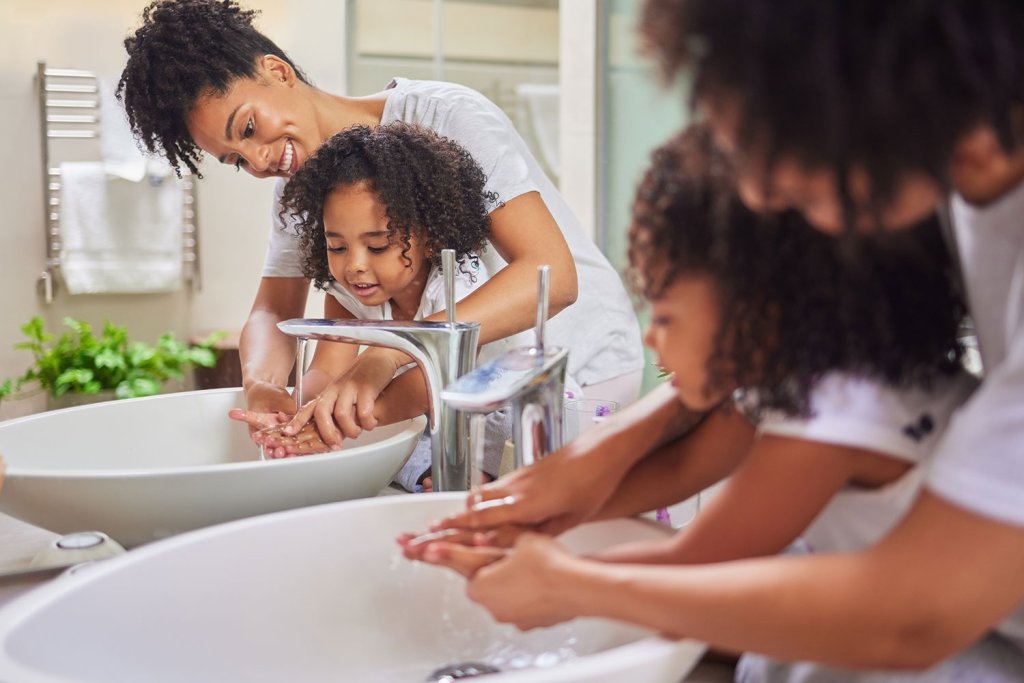
In honor of National Handwashing Awareness Week, parents everywhere are nodding in agreement at the importance of instilling good hygiene habits in their children. At Post Oak ER, we understand the challenges parents face in making handwashing less of a chore and more of a fun and educational activity. In this article, we’ll explore the vital reasons behind teaching kids proper handwashing techniques and share some creative and enjoyable tips to make this essential habit stick.

Why Handwashing Matters
Proper handwashing isn’t just a mundane task; it’s a powerful tool for preventing children from falling prey to illnesses. Teaching your kids the correct way to wash their hands can shield them from various infections, including the common cold, flu viruses, hepatitis A, meningitis, bronchiolitis, and different types of diarrhea. Let’s delve into the proper handwashing techniques recommended by health experts.

The Bread Experiment: A Gross (but Cool) Lesson in Germs
If you’re looking for a hands-on way to show your kids just how important handwashing really is, look no further than the classic bread experiment. This science project is a favorite in classrooms—and for good reason. It offers visual proof of how germs travel and just how much of a difference clean hands can make.
Here’s how it works:
- You’ll need: three slices of bread, three zip lock bags, and a permanent marker.
- Control sample: Using clean gloves, take the first slice of bread and place it straight into a bag labeled “Control.” This piece sets the benchmark since it’s never touched human hands.
- Dirty hands slice: Take the second piece of bread out with bare hands—no washing beforehand. Let everyone in the family touch it. Pop it into the second bag labeled “Dirty Hands.”
- Clean hands slice: Now have everyone wash their hands with soap and water. Grab the third slice, let those sparkly-clean hands touch it, and seal it in a bag labeled “Clean Hands.”
Now the waiting game begins. Keep an eye on all three bags over the next several days. Usually, the “Dirty Hands” bread grows mold much faster than the “Control” or “Clean Hands” samples. Kids are often fascinated (and maybe a little grossed out) by just how much quicker germs do their work when hands aren’t washed.
This simple experiment vividly demonstrates why soap and water are superheroes in the fight against sickness—helping kids connect the dots between their daily habits and their health.
The Right Way to Wash Your Hands
Research conducted by Michigan State University in 2013 revealed that a staggering 95% of people do not wash their hands properly. To ensure your children are part of the 5% practicing good hand hygiene, follow these steps recommended by the CDC:
- Wet your hands with water (temperature does not matter).
- Lather your hands with soap, ensuring you apply soap to the back of your hands as well.
- Scrub your hands for 20 seconds or more, including the back of your hands, wrists, in between fingers, and under the fingernails.
- Rinse with plenty of water.
- Dry your hands thoroughly with a clean towel or air dryer.

Pepper Experiment: A Germ-Busting Science Trick
If you’re looking for a hands-on way to show kids why soap is so important, try the classic pepper experiment. It’s eye-opening, simple, and perfect for curious little scientists—all with ingredients found right in your kitchen.
Here’s how it works: Fill a shallow dish with water and sprinkle a generous amount of black pepper on top. The pepper represents germs clinging to our hands. Have your child dip a finger into the water—watch how the pepper stubbornly sticks, just like germs would. Now, for the “magic” step: coat a finger with soap, then dip it back into the pepper water. Instantly, the pepper scatters to the edges of the dish! This is a fantastic visual for kids, showing just how powerful soap is at pushing away pesky germs, not just rinsing them off.
Give this simple experiment a try next time you talk about keeping hands clean—it’s a memorable lesson in why scrubbing with soap matters much more than just a quick rinse.
Fun Ways to Make Handwashing Exciting for Kids:
Sing a Handwashing Song:
Encourage your kids to sing a fun song while washing their hands. Instead of the traditional “Happy Birthday” song, create a unique tune or use a popular one sung to the melody of “Row your Boat.” For example: “Wash, wash, wash your hands, wash them nice and clean. Scrub the fronts and scrub the backs and scrub the in-between.” Sing it at least twice for the recommended 20 seconds.
Buy Playful Soaps:
Kids love to play, so why not let them play with their soap? Invest in fun-shaped soap bars or liquid soap featuring their favorite characters. Turning handwashing into a playful experience can make it more appealing to children.

Get Creative with Activities:
Transform handwashing into an interactive and creative experience:
– Mix glitter with water in a spray bottle; have them wash their hands and turn it into a friendly competition to see who can remove the glitter first.
You can also try the “glitter germs” activity: Have your child trace their hand on a blank sheet of paper, then cover one hand with glitter glue. Press their glittery hand onto the traced outline, showing how easily those “germs” transfer from hand to hand. The fun part? Challenge them to wash off all the glitter—demonstrating just how thorough they need to be to get truly clean hands. This visual lesson makes the invisible world of germs a little more real, and a lot more memorable.
– Teach them how to blow soap bubbles after proper handwashing.
– Introduce a game where they eliminate pesky germs by making funny noises while scrubbing.
Simple Science Experiments with Everyday Items
If you’re looking to go beyond playful soaps and songs, why not use some everyday household items to show your kids just how important handwashing really is? Here are a few hands-on science activities that turn your kitchen into a mini lab—and make germs a little less mysterious.
– Pepper and Water Germ Repellent
Fill a shallow dish with water and sprinkle pepper across the surface—the pepper represents pesky germs. Ask your child to dip their finger in; the “germs” will stick to their skin. Now, dip a soapy finger into the dish again and watch the pepper scatter away from the soap. It’s a simple, magical way to show how soap chases germs away.
– The Glitter Handprint Test
Have your child trace their hand on a blank sheet of paper. Next, coat their real hand in glitter glue and press it down on the traced outline. The glitter left behind shows how easily germs can transfer from our hands to anything we touch. Afterward, challenge your child to wash away all the glitter—this is tougher than it looks, and a perfect reminder to scrub thoroughly!
– Bread and Germs Experiment
Take three slices of bread and three zip-top bags. For the first, use gloves or thoroughly washed hands to handle the bread and seal it in a bag labeled “control.” For the second, have everyone touch the bread with unwashed hands before sealing it in a bag labeled “dirty hands.” For the third, have everyone wash their hands well before touching the bread, then place it in a bag marked “clean hands.” Let the bags sit and observe over the next several days. The results will show which slice gets moldy first, offering a striking visual lesson in the power of hand hygiene.
These experiments are easy, inexpensive, and are sure to spark curiosity—all while reinforcing the value of healthy habits.
Make-Your-Own Germ Craft
Crafting can be a fantastic way for children to learn about germs and where they like to hide. Try this simple activity: invite your kids to design and cut out their own germ characters using colored paper, googly eyes, and markers. Once their crafty germs are ready, encourage your kids to stick them around the house—on door handles, light switches, remote controls, and other frequently touched surfaces.
This engaging exercise not only sparks their creativity but also helps them visualize the many spots germs can linger. It’s a playful way to highlight why washing hands after touching these areas is so important. Plus, you might be surprised at just how many hiding spots your kids find—turning a lesson on hygiene into a household scavenger hunt!

Teaching your children proper handwashing techniques is an investment in their long-term health. While these fun and creative tips can make the process enjoyable, it’s crucial to emphasize the significance of hand hygiene. At Post Oak ER, we understand that despite the best preventive measures, illnesses can still occur. If your little ones fall sick, remember that we’re here for you 24/7, ready to provide the care they need to get back to health and enjoy the holidays.
Where to go in Case of an Emergency?
At Post Oak ER, our doors remain open to provide care for you and your family.
Looking for the best quality 24-hour Emergency Room services?
If an emergency strikes, you have a choice! At Post Oak ER we’re open during all weekends, and holidays & offer FREE Medical Screening! There is no need to risk your health or your life. Get help from the ER experts when you need it, visit us immediately at 5018 San Felipe St, Houston, TX 77056
.

You may call us, check in online, or walk-in as we are always open.
Get back on track to enjoying life, FAST! Here you will find experienced, effective and caring emergency physicians as well as the best on-site ER technology for everything from minor to major injuries and conditions.
- CT Scan, Digital X-Ray & Ultrasound
- Certified Full-Service Diagnostic Laboratory
- Specialized Pediatrics ER Care Facilities
#PostOakER is the best emergency room near you offering fast, quality ER Care 24/7.