
Overview
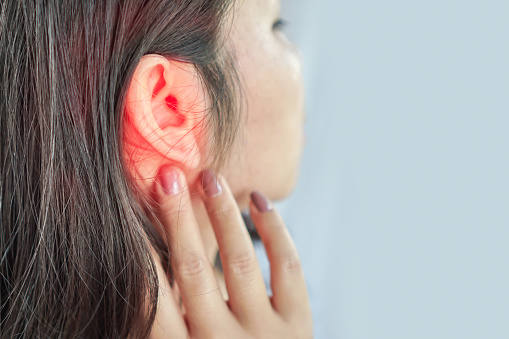
An ear burning sensation refers to warmth, redness, irritation, or stinging affecting the outer ear, the ear canal, or the skin around the ear. Many causes are mild—such as skin irritation, temperature changes, or emotional flushing—but burning can also occur with infections, allergic reactions, or inflammatory skin conditions. Severe or persistent symptoms may require medical evaluation, especially when accompanied by fever, swelling, or discharge.
What Is an Ear Burning Sensation?
An ear burning sensation describes localized heat, discomfort, or redness involving the ear. The underlying mechanism is often inflammation, which may develop from infection, irritation, or an allergic response. Burning may occur suddenly or gradually and may be accompanied by itching, pain, or swelling.
Common Medical Causes of Ear Burning
Infections
Otitis Externa (Swimmer’s Ear)
Irritation or infection of the ear canal may cause:
- Burning or stinging inside the ear
- Itching or irritation
- Tenderness when touching the ear
- Redness or swelling
- Sometimes ear discharge
Moisture trapped in the ear can promote bacterial growth—commonly Pseudomonas species—sometimes requiring antibiotic ear drops.
Otitis Media (Middle Ear Infection)
A middle ear infection may cause:
- Warmth or burning
- Pressure or fullness
- Ear pain
- Fever
- Nasal congestion or recent respiratory illness
If untreated, complications such as mastoiditis (infection of the bone behind the ear) may occur, though this is uncommon.
Skin Conditions
Skin issues affecting the ear or nearby areas include:
- Eczema or dermatitis
- Seborrheic eczema in or around the ear
- Neurodermatitis
- Psoriasis involving the ear canal or external ear
These conditions can lead to redness, burning, scaling, and itching. When skin conditions like eczema or psoriasis affect the ear canal, they may cause pronounced itching and a burning sensation, sometimes accompanied by flaking or irritation extending to the surrounding skin.
Allergic Reactions
Allergic contact dermatitis may be triggered by:
- Metals in earrings (especially nickel)
- Shampoos, detergents, and soaps
- Hair dyes
- Skin-care or cosmetic products
Reactions often present with burning, redness, warmth, swelling, or itching.
Environmental Triggers
Environmental factors that may cause burning include:
- Sunburn, leading to redness, heat, and tenderness
- Cold or wind exposure, which may irritate skin and produce burning or stinging sensations
Other Factors
Additional contributors include:
- Medications, which may cause flushing as a side effect
- Strong emotions (stress, embarrassment), which may temporarily increase blood flow to the ears and create warmth or burning
Physical Trauma and Loud Noises
Physical trauma—such as accidentally poking the ear with objects like cotton swabs or exposure to loud, sudden noises (think fireworks or a rowdy concert)—can also trigger a burning sensation in the ear. This discomfort may arise from minor abrasions in the ear canal, irritation of delicate tissues, or even inflammation of the structures inside the ear. In some cases, loud noise can cause temporary blood flow changes or nerve irritation around the ear, leading to a feeling of heat or tingling. If trauma is significant or pain persists, it’s wise to seek medical evaluation to rule out infection or injury.
Earwax Buildup
Excess earwax can also contribute to a burning sensation within the ear. When earwax accumulates, it may block the ear canal, trapping moisture and increasing pressure. This blockage can irritate the sensitive skin inside the ear, leading to discomfort, warmth, and sometimes a burning feeling as your ear attempts to clear the obstruction. In some cases, improper removal—such as using cotton swabs—can worsen irritation or push wax further in, intensifying symptoms.
Location-Based Ear Burning
Burning Inside the Ear
Often linked to:
- Otitis externa
- Otitis media
- Irritation from moisture or temperature changes
- Sensitivity to products placed near or inside the ear
Safe Removal of Earwax Buildup
If earwax is causing discomfort or a burning sensation, it’s important to avoid using cotton swabs or sharp objects, which can push the wax deeper or injure the ear canal. Instead, healthcare providers may use specialized techniques:
- Softening drops: Over-the-counter solutions such as mineral oil, saline, or hydrogen peroxide-based drops may be applied to soften the wax.
- Gentle irrigation: Warm water or saline may be carefully flushed into the ear canal to loosen and wash out the wax.
- Manual removal: A clinician might use instruments like a curette or gentle suction under direct vision to extract the buildup safely.
Never attempt earwax removal at home if you have ear pain, drainage, or a history of ear surgery. Professional evaluation ensures that the procedure is both effective and safe.
Burning Behind the Ear
May result from:
- Skin irritation
- Swollen lymph nodes
- Muscle or soft-tissue inflammation
Seek urgent care if swelling, redness, or throbbing occurs over the bone behind the ear, as this may suggest mastoiditis.
Burning on the Outer Ear or Earlobe
Frequently due to:
- Sunburn
- Contact dermatitis
- Temperature extremes
- Skin irritation from jewelry or products
Symptom Combinations and What They May Suggest
Burning + Itching
Common in:
- Eczema
- Contact dermatitis
- Otitis externa
Burning + Throat or Neck Discomfort
Possible causes:
- Upper respiratory infections
- Irritation from postnasal drip or reflux
- Lymph node swelling
Burning + Headache
May occur with:
- Fever
- Infection
- Tension or sinus pressure
Seek urgent care if headache is sudden or severe.
Burning + Anxiety or Stress
Emotional flushing may cause:
- Red, warm, or burning ears
This is typically temporary and not harmful.
Burning + Concerns About Blood Pressure
Hot ears alone do not reliably indicate high blood pressure.
Seek medical care if burning is accompanied by:
- Severe headache
- Vision changes
- Chest pain
- Neurological symptoms
When Ear Burning Happens at Night
Some people notice burning ears more at night because:
- There are fewer distractions
- Lying on one side increases pressure or warmth
- Irritated skin or dermatitis becomes more noticeable
Persistent night-time symptoms warrant evaluation.
Ear Burning After Ear Drops
Some ear drops may cause brief stinging or burning.
Seek medical advice if:
- Burning is intense or persistent
- Symptoms worsen after using drops
- New swelling, discharge, or rash develops
Symptoms Associated With Ear Burning
Local Symptoms
- Heat or warmth
- Redness
- Itching or irritation
- Pain or tenderness
- Dryness or scaling
- Rash or crusting
- Discharge from the ear
Related or Systemic Symptoms
- Fever
- Fatigue
- Headache
- Chills
- Sore throat
- Nasal congestion
- Stiff neck (rare; may indicate serious infection)
Burning Ears and Hearing Changes
When ear burning is accompanied by hearing loss, it may point toward a deeper underlying issue, such as infection or significant inflammation. Signs that burning may be related to hearing loss include:
- Muffled or reduced hearing in the affected ear
- Persistent ear discomfort—sometimes ranging from a dull ache to sharp pain
- Fullness or pressure sensation inside the ear
- Itching or irritation that extends into the ear canal
- Fluid or discharge from the ear, which can sometimes be seen on your pillow or a tissue
Redness, swelling, or drainage alongside changes in hearing should always be evaluated by a healthcare provider, as they may signal ear infections or other conditions that impact both the skin and internal ear structures. Prompt assessment can help preserve hearing and prevent complications.
When Symptoms Suggest Infection
Medical evaluation is recommended if burning occurs with:
- Fever
- Ear discharge
- Significant swelling
- Worsening pain
- Redness or throbbing behind the ear
These may indicate bacterial or viral infection.
When to Seek Emergency Care
Seek immediate care for:
- Difficulty breathing, wheezing, swelling of lips, tongue, or throat (possible anaphylaxis)
- Fever around or above 101°F (38.3°C)
- Severe ear pain or sudden intense headache
- Redness, swelling, or throbbing behind the ear (possible mastoiditis)
- Confusion, stiff neck, or neurological symptoms (possible meningitis)
- Rapid swelling of the face, lips, or throat
How Ear Burning Is Diagnosed
Medical History
Your healthcare provider may ask about:
- Symptom onset and duration
- Recent swimming or water exposure
- New skin-care or hair products
- Jewelry use
- Recent respiratory illness
- Fever, discharge, itching, or hearing changes
Physical Examination
Assessment may include:
- Inspection of the ear and surrounding skin
- Otoscopy to examine the ear canal and eardrum
Tests
- Swabs or cultures for suspected infection
- CT or MRI if mastoiditis or complications are suspected
Benefits of Regular Ear Check-Ups
Routine ear examinations can help identify issues early—often before noticeable symptoms arise. By scheduling regular visits, you give your healthcare provider a chance to:
- Catch ear infections or wax buildup early, preventing complications
- Screen for hearing loss or changes you may not have detected
- Monitor skin conditions around the ear, like eczema or dermatitis
- Provide guidance on safe cleaning and ear care practices
- Address concerns about hearing aids or ear protection, especially if you swim, use earbuds frequently, or work in loud environments
In short, regular check-ups help keep your ears healthy and functioning, ensuring that small issues don’t become bigger problems down the road.
Home Remedies and Self-Care for Mild Ear Burning
These steps may help with mild or temporary symptoms:
- Apply a cool compress to the outer ear (avoid direct ice contact)
- Avoid known irritants (problematic earrings, harsh products)
- Do not place objects or cotton swabs in the ear
- Use over-the-counter pain relievers as needed
- Protect ears from heat, sun, cold, and wind
- Keep ears dry after swimming or bathing
Can a Warm Compress Help With Ear Pain or Burning?
A warm compress can sometimes provide comfort if your ear feels sore or has a burning sensation. Applying gentle heat to the outer ear may help:
- Soothe mild pain or tenderness
- Relax nearby muscles
- Reduce a sense of pressure
To try this at home, use a clean washcloth dipped in warm (not hot) water—be sure to wring out excess liquid and test the temperature first to avoid burns. Hold it against the affected ear for several minutes. This technique can be particularly soothing for aching muscles or minor irritation but avoid it if there are open sores or signs of infection, such as pus or significant swelling.
Important: Home care should not delay evaluation when symptoms suggest infection or complications.
Medical Treatment
Treatment depends on the underlying cause:
Infections
- Antibiotic ear drops for otitis externa
- Oral antibiotics when required for more serious infections or complications
Allergic or Irritant Dermatitis
- Avoid triggers
- Antihistamines or topical corticosteroids may be recommended
Eczema or Chronic Skin Conditions
- Medicated creams or emollients may help reduce inflammation
Severe or Complicated Infections
May require:
- Closer monitoring
- Additional medication
- Imaging
- Specialist evaluation
Possible Complications
Although uncommon, burning caused by untreated or severe conditions may lead to:
- Mastoiditis
- Cholesteatoma
- Hearing loss
- Meningitis or intracranial infection
- Chronic or recurrent ear infections
Prevention Tips
- Keep ears clean and dry after swimming
- Avoid inserting objects into the ear canal
- Use sunscreen on the ears
- Avoid allergens such as nickel-containing jewelry
- Protect ears from extreme cold or wind
Practicing good ear hygiene is key to preventing many causes of burning sensations. Refrain from using cotton swabs or sharp objects in the ear, as these can irritate or injure the delicate canal. After swimming or bathing, gently dry your ears to reduce moisture that can lead to irritation or infection. Taking these simple precautions helps safeguard your ears and may prevent discomfort before it starts.
Frequently Asked Questions
What does it mean when your ears are burning?
Medically, burning is usually due to inflammation, temperature changes, irritation, or emotional flushing—not superstition or someone talking about you.
Why is my left or right ear burning?
Side does not usually change the medical causes. Burning in one ear may be related to irritation, dermatitis, or infection.
Can itching and burning happen together?
Yes. This combination is common with dermatitis, allergic reactions, or otitis externa.
Why do my ears burn at night?
Symptoms can feel stronger at night due to pressure, irritation, or reduced distractions.
Is burning behind the ear serious?
It can be mild, but swelling or pain over the bone behind the ear requires urgent care.
Is it dangerous when ears burn?
Burning with swelling of the face or throat, fever, severe pain, or neurological symptoms may indicate a serious medical issue.
How long does ear burning last?
Mild irritation or sunburn may improve in a few days. Infection-related burning may take longer and requires evaluation if persistent.
APA Reference List
Cleveland Clinic. (n.d.). Mastoiditis: Symptoms, causes & treatment. Cleveland Clinic. Retrieved December 11, 2025, from https://my.clevelandclinic.org/health/diseases/24469-mastoiditis
DermNet NZ. (n.d.). Otitis externa. DermNet New Zealand Trust. Retrieved December 11, 2025, from https://dermnetnz.org/topics/otitis-externa
Health Direct. (n.d.). Ear infection – Otitis media and otitis externa. HealthDirect. Retrieved December 11, 2025, from https://www.healthdirect.gov.au/ear-infection
Mayo Clinic. (n.d.). Ear infection (middle ear) – Symptoms & causes. Mayo Foundation for Medical Education and Research. Retrieved December 11, 2025, from https://www.mayoclinic.org/diseases-conditions/ear-infections/symptoms-causes/syc-20351616
NHS UK. (n.d.). Mastoiditis. National Health Service. Retrieved December 11, 2025, from https://www.nhs.uk/conditions/mastoiditis
National Center for Biotechnology Information. (2023). Mastoiditis. In D. Sahi (Ed.), StatPearls. U.S. National Library of Medicine. Retrieved December 11, 2025, from https://www.ncbi.nlm.nih.gov/books/NBK560877/
PubMed Central. (2014). Otitis externa, otitis media, and mastoiditis. In J. O. Klein (Ed.), Otolaryngology Review. U.S. National Library of Medicine. Retrieved December 11, 2025, from https://pmc.ncbi.nlm.nih.gov/articles/PMC7173526/